Many years ago, my BFF and I took our girl scout troop on one of their year-end trips and our destination was the vacation home of one of our scouts. It became our home base as we engaged in different day activities. One of those was the YO Ranch in Central Texas. It is quite a fancy place today, but back then it was a taste of the Old West combined with an African wildlife adventure. It was an opportunity for our girls to see up close and personal many exotic animals they had never seen before. It was fun!
We went dam sliding, horseback riding, floating in tubes on the Guadalupe River while eating watermelon, enjoyed outdoor theatre presentations and just thoroughly savored an escape to a paradise in Ingram Texas.
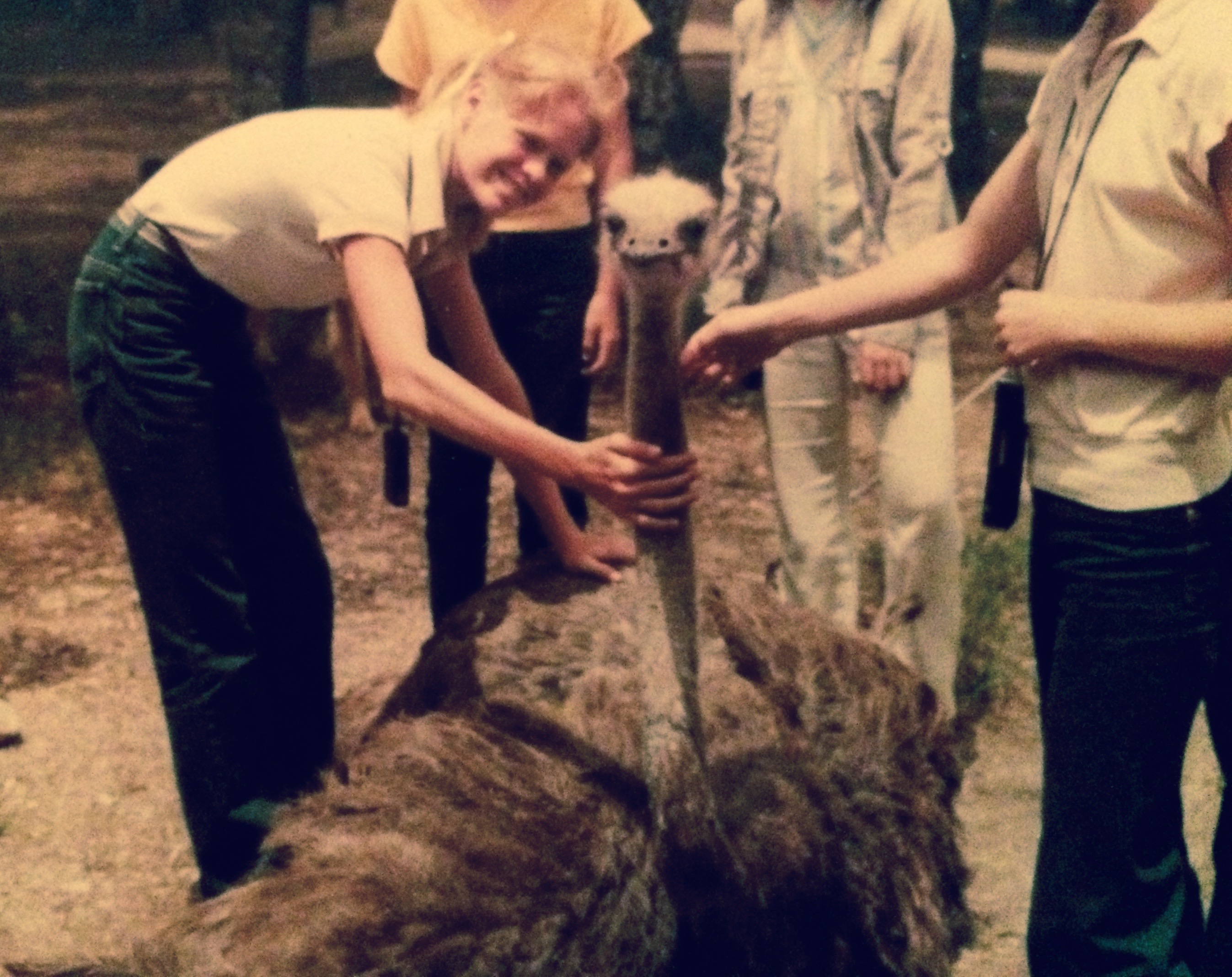
Roaming throughout the 27,000 acre YO working ranch were giraffes, deer, and mountain goats to name a few. One of the main attractions of the YO Ranch back then was their Ostrich and Emu population. The day we visited and bounced around in trucks touring the property, we were allowed out of the vehicle to walk around. I most remember the open prairie with a few scattered trees throughout. I don’t remember a whole lot about why we were walking around, but we suddenly became aware of our guide yelling at us to run toward one of the trees. We took off running and glancing around we understood why. Romping quickly toward us at a rapid pace was a huge Ostrich and he was closing fast. We reached the tree and stayed there as our guide drove the truck over to us and shooed Junior away.
Why is this Junior’s Adventure? Time passed and Junior was a fond memory of happy times spent with our scouts. One day while reading the newspaper, we discovered that Junior had moved on from the YO Ranch to be a junkyard guard bird. We knew he was aggressive since we had personally experienced it and apparently he was better suited to guarding junk than roaming around the ranch attacking paying guests. I am sure he lived a happy life doing what he liked to do best….terrifying people!
It’s winter. For those of us in Texas, this means almost perfect weather….nice temperatures, clear skies, many leafless trees and excellent bird watching. Not so for many parts of our country where falling snow and adverse weather conditions may limit outdoor time for many people. Enter Cornell University’s Live Bird Cams.
Each year I open each of these cams on my computer and delight in watching many different species up close and personal as they build nests, lay their eggs, incubate, feed, nourish and teach their offspring survival skills and then watch them fledge for the first time. Each of these bird events is highly anticipated by thousands of viewers all over the world. Ah, what a wonderful thing is this internet. Allowing each of us windows into different worlds that may literally be a world away. A giant thank you to Cornell University for supporting and facilitating these cameras and an equally large thank you to all the volunteers that moderate these sites teaching us about these birds, their habits and behaviors. I have learned so much and have also discovered that viewing birds on the camera has transferred to better identification skills for me in the field.
Laysan Albatross and chick. Look closely and you can find the baby.
In Hawaii I get to enjoy a Laysan Albatross as she and her mate build a simple nest of a few sticks on the ground, tend to their young for a long seven month period before that one youngster takes to its wings for the first time. Last year I felt privileged to watch the young Albatross trundle up a hill that overlooked the ocean, open her wings and launch herself into the air for the first time. She will spend the next couple of years soaring high above the ocean. It was a magical moment filled with raw emotion….the sheer beauty of this bird instinctively thrusting herself into the Albatross life.
Drama unfolds at these cam sites. Red-tailed Hawks Ezra and Big Red have been successful for many years in raising their young on the Cornell University campus. Campus goers actually write notes in chalk to them on the sidewalk below their nest site. One of their fledglings was injured in a crazy impossible accident involving a greenhouse roof on the campus that closed on the young bird and injured his wing. The dedicated BOGs (birders on the ground) that track the fledglings movements called for help and he received the best veterinarian care in the hopes he could be returned to the wild. Unfortunately this didn’t happen so E3 is now being used for educational programs. His life is happy and he definitely will not have to worry about survival in the wild.
Dottie the Barn Owl
Dottie and Casper are two barn owls that live in Texas. I’ve watched and rooted for their offspring, one in particular. Ollie was the fourth egg to hatch and seemed to be struggling to survive since his older siblings seemed to get the lion’s share of the food Mom and Dad brought to them. But as I watched Ollie got stronger, beating the odds that he might experience the siblicide fate of so many. Today Dottie has returned to the nesting box, but so far no sighting of Casper. There has been another male owl periodically and all of us “watchers” are anxiously awaiting Casper’s arrival. Did he survive the winter? Is this new male owl (already named Dash) his replacement? Only time will tell.
Ruffed Grouse – Bird Feeder, Ontario Canada
And even when the birds have finished their nesting and young raising chores, the bird feeders on Sapsucker Pond and in Ontario Canada continue to provide great bird watching and many surprises throughout the year. It was on the Sapsucker Pond feeder that I saw my first Pileated Woodpecker. And in Ontario I saw my first ruffed grouse.
Blue Jay and Dove sharing the feeder on Sapsucker Pond
If you are wheelchair or home bound these cams are for you. If you work in a cubicle with no windows to the outside world, these cameras are for you. Or if you just wish to have a secretive look at birds in their natural environment and watch them work their many wonders, then these cams are for you. I know they have greatly enhanced my serenity, my knowledge of birds and my identification skills. So check them out. I promise you won’t be disappointed!
Happy bird searching!!!
All photos captured from Cornell Live Bird Cams via my computer. Thank you Cornell!
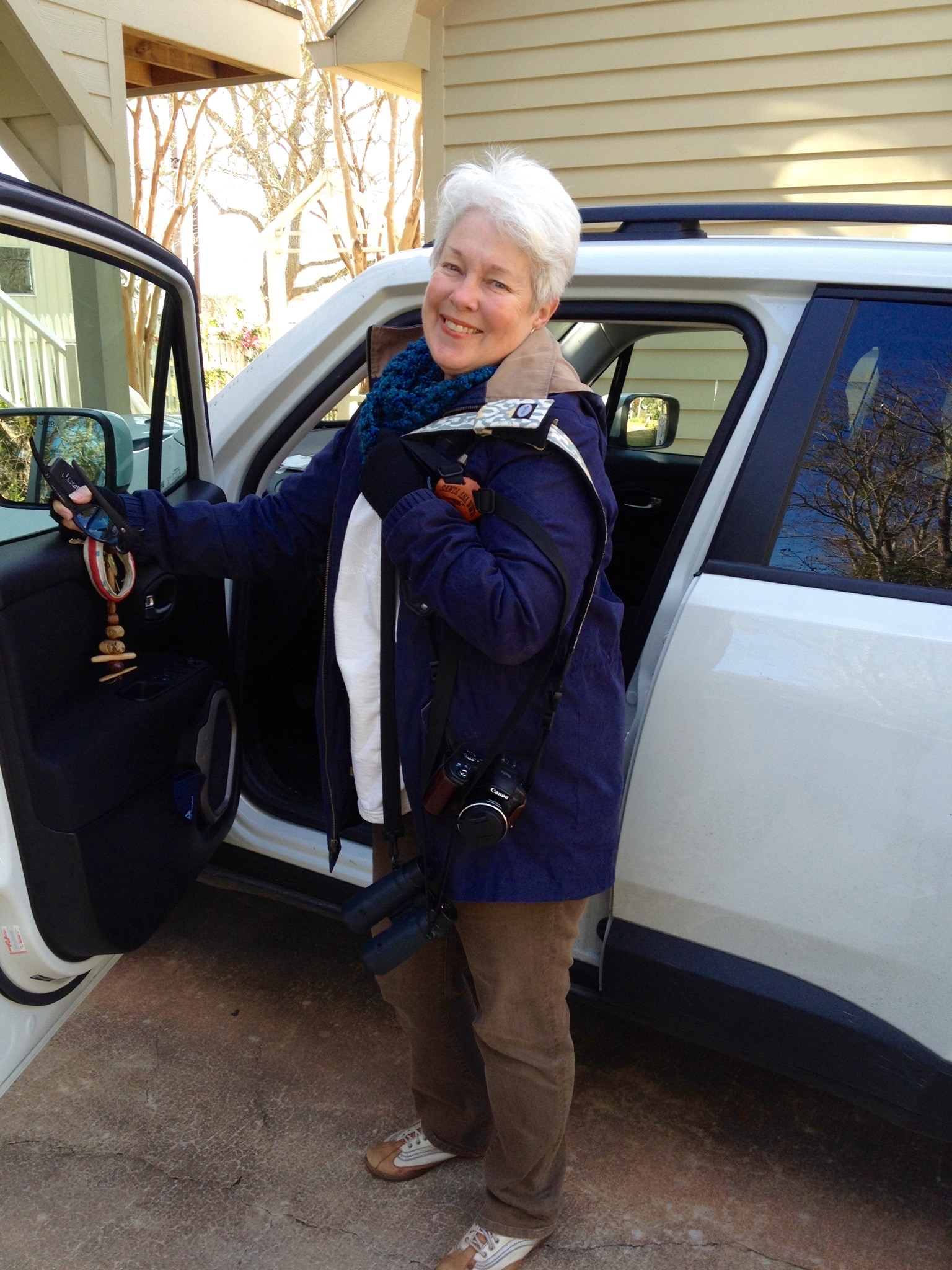
I travel light. A few clothes thrown into a tote bag, my binocs, a camera and I am off for another weekend visit with my sisters.
My two sisters just celebrated birthdays. One in December and the other just last Saturday. Recently I heard a young aspiring contestant on a television program describing her age in terms of how many times she had been around the sun. For her it was 20 times. For me and my sisters it is a whole lot more. I find myself thinking about how fortunate I am to have had both of my sisters so close to me throughout my entire life. Each time I complete one more trip around the sun, my oldest sister always describes in minute detail my arrival into their world. I always love hearing her descriptions and never tire of it. I get to enjoy a moment in my life of which I was totally unaware. So we now have a new way of reporting our ages. It is not measured in “years of age” but as how many “trips around the sun” we have been fortunate enough to complete.
Red-Shouldered Hawk – Burton, Texas
So on Friday night we shared a home cooked meal, birthday cake and many memories.We laughed and enjoyed the camaraderie that comes with sisters knowing each other so well. On Saturday two of us checked out some of the birds in the Burton area and near-by Lake Somerville. We were making memories with every bird we spotted. And secretly I am always hoping that my passion for bird watching will transfer to them.
We spent some time at the Big Red Barn just outside of Round Top, Texas where antique dealers had gathered for a winter show. Walking up and down the aisles I am always entranced with the merchandising skill of the booth vendors. They hawk their wares by using them in new and different ways and displaying old and much-loved items in such ways that I am tempted to purchase even though I have no clue where to put them nor why I feel I must have them. They are sorcerers!
Sunset from my sister’s front porch
Exhausted, but filled with satisfaction of a day well spent, we visited a local cafe for dinner before returning to her home to watch a movie. Nothing fancy, just a day spent with someone I love and who loves me equally.
Every encounter builds memories and each is emblazoned in my mind forever. They are important and meaningful and I hope to share many, many more with my sisters.
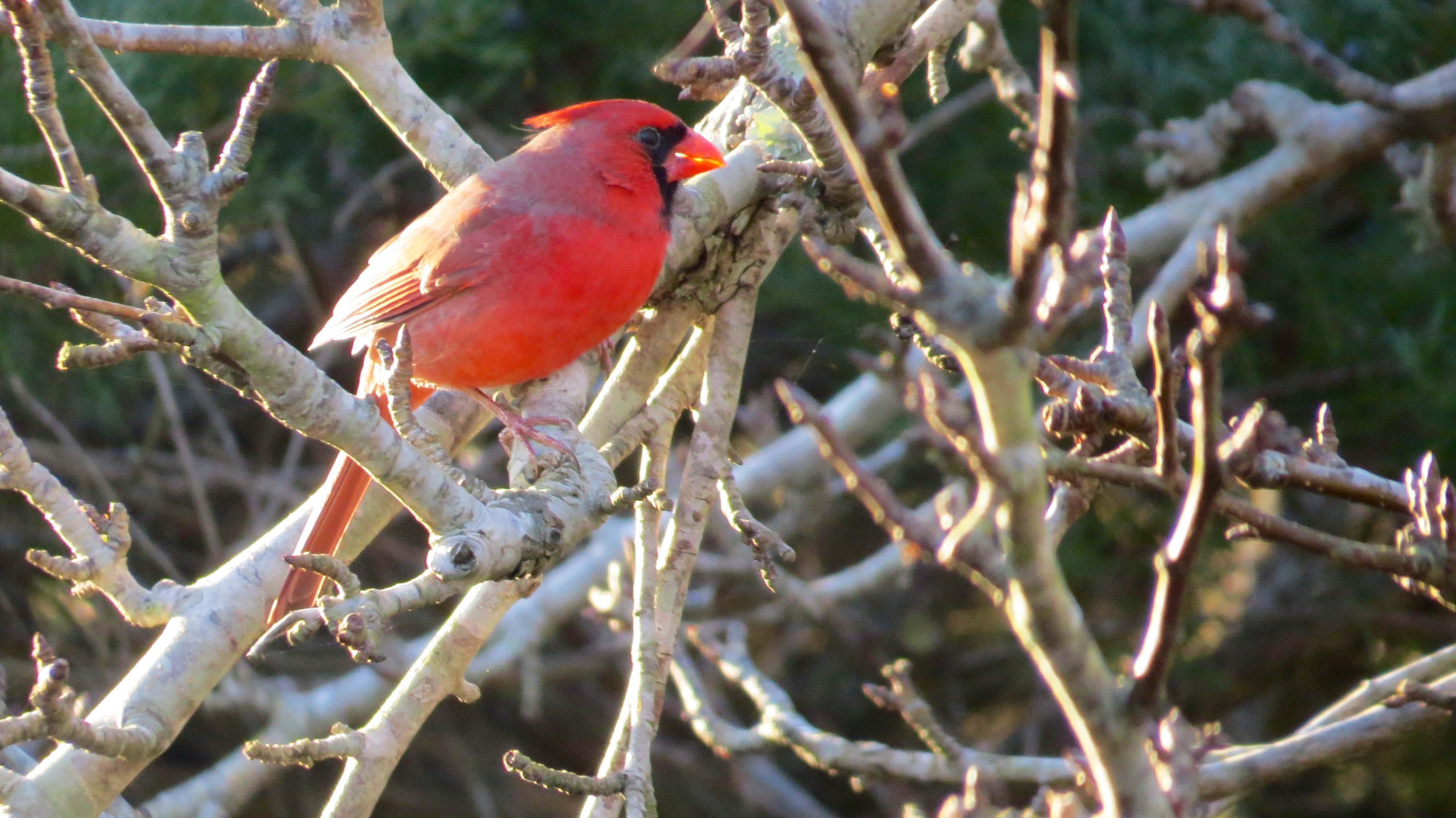
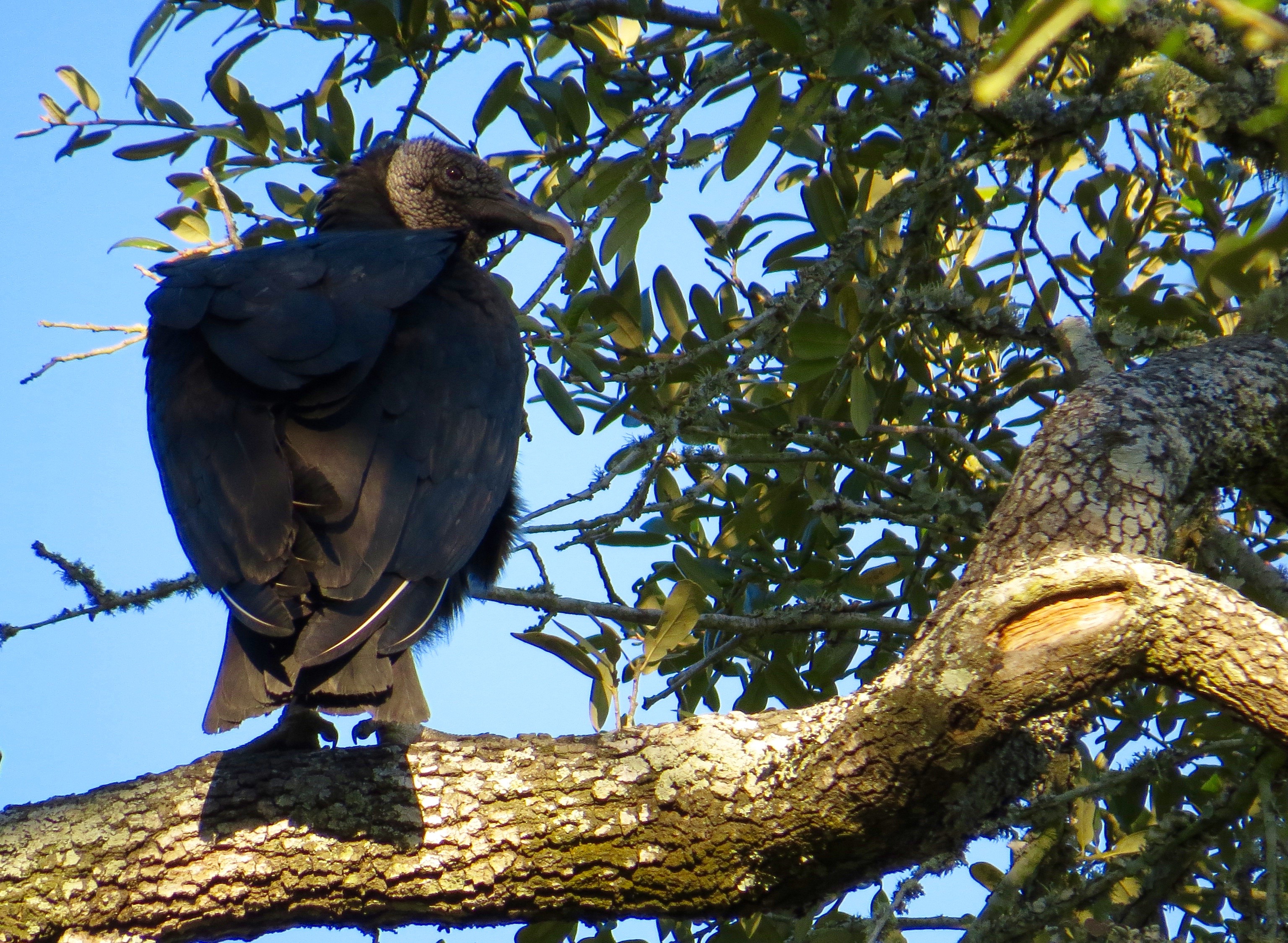
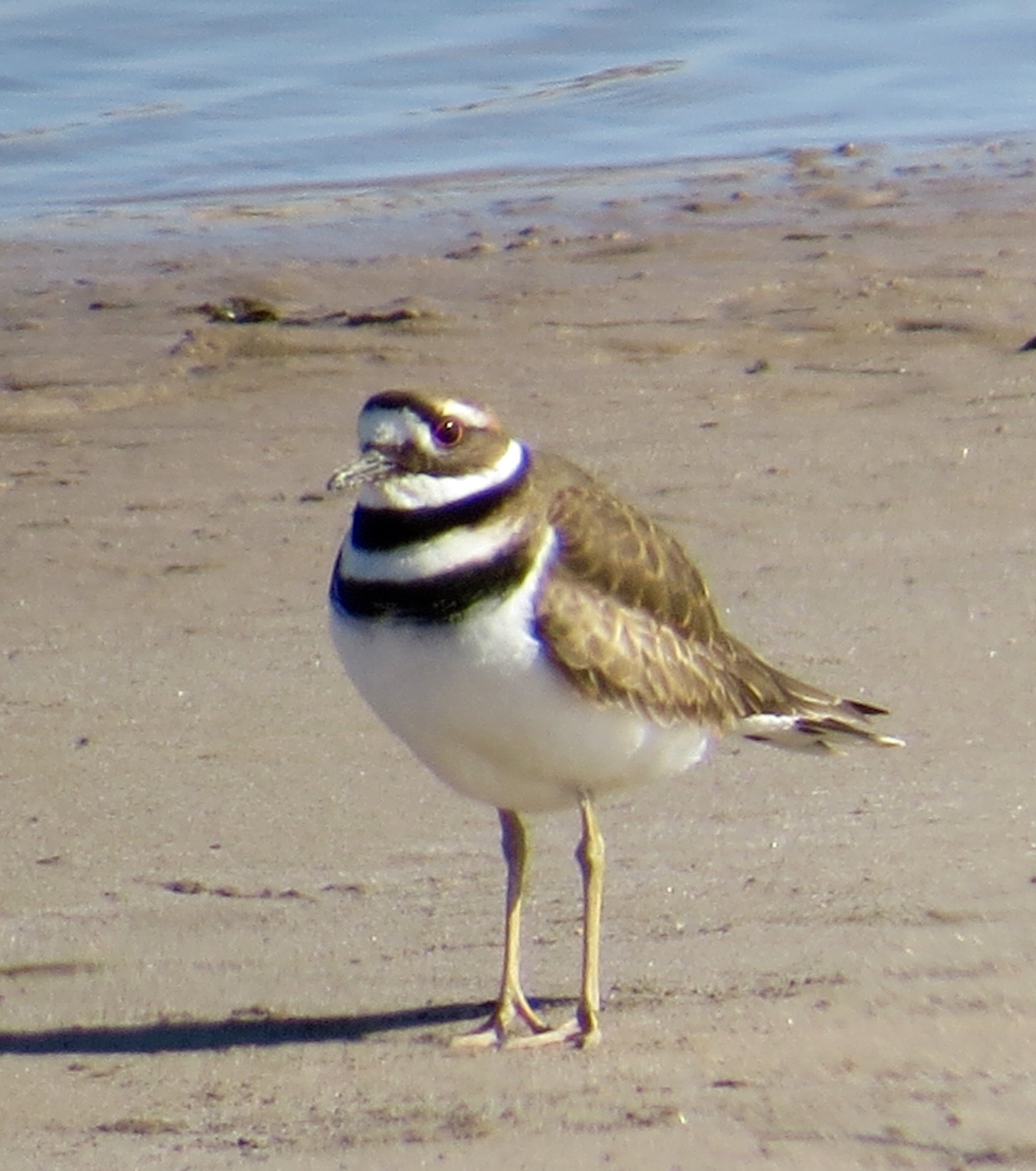
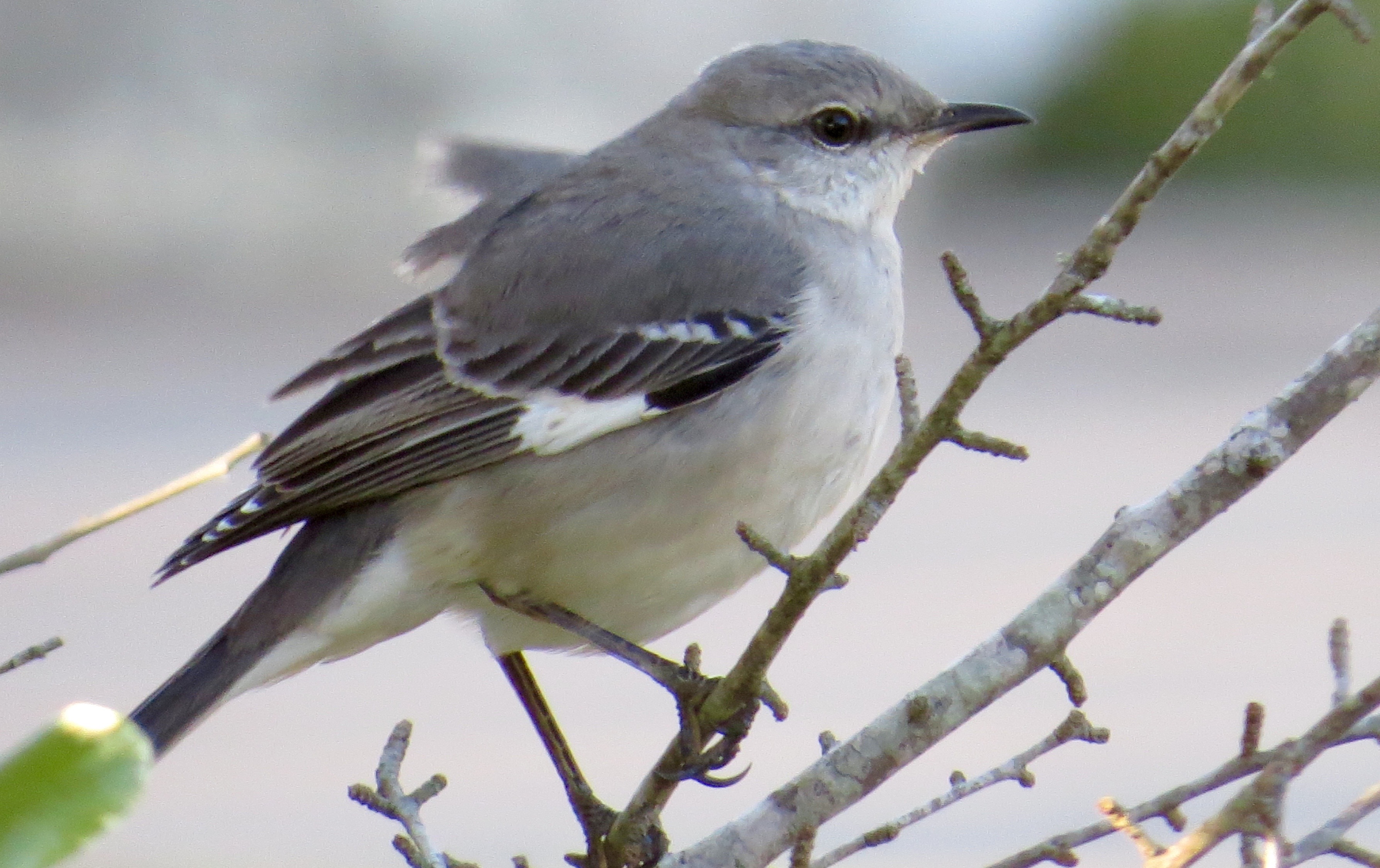
Just a few of the birds I managed to capture with my camera this past weekend.
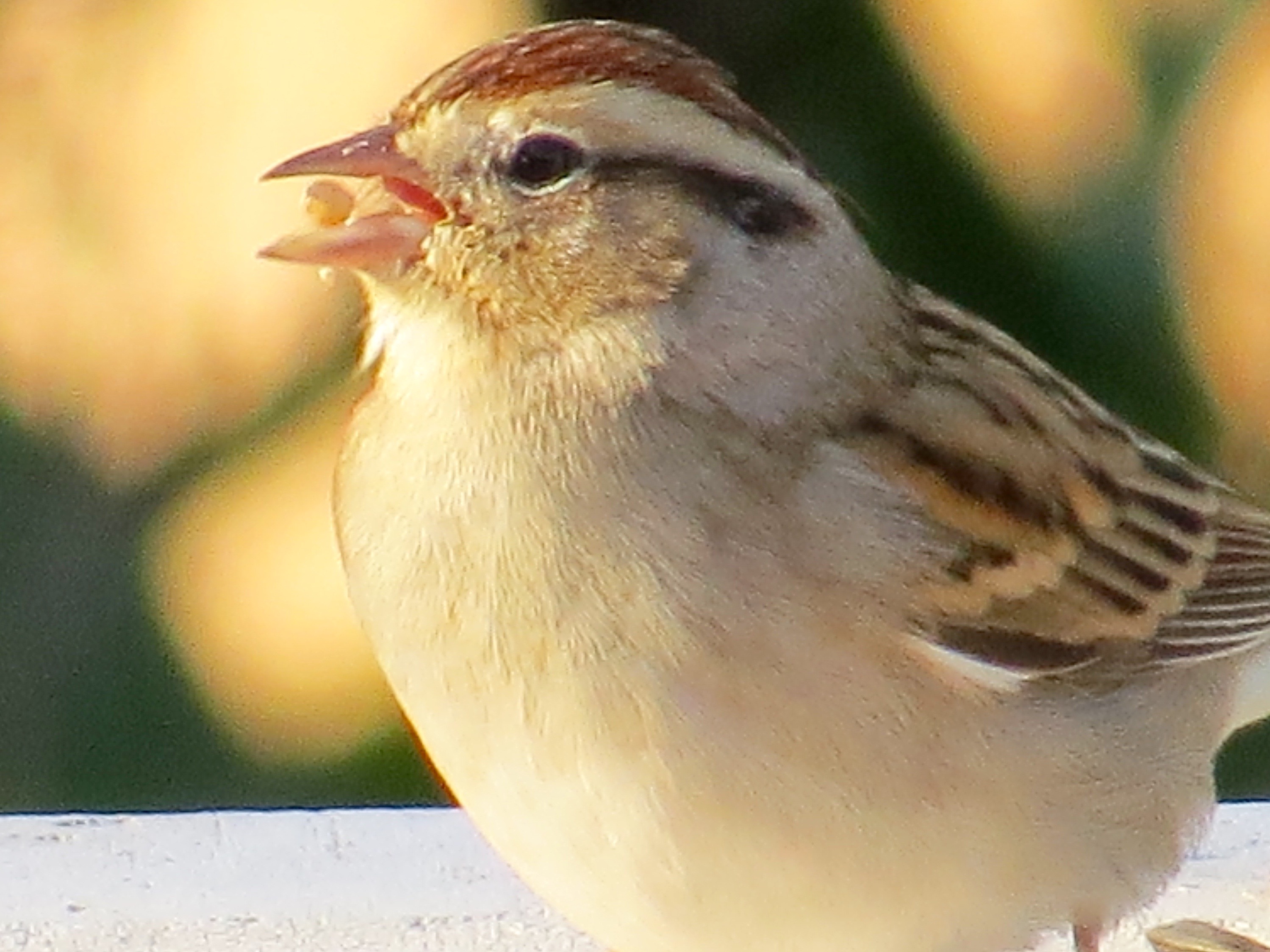
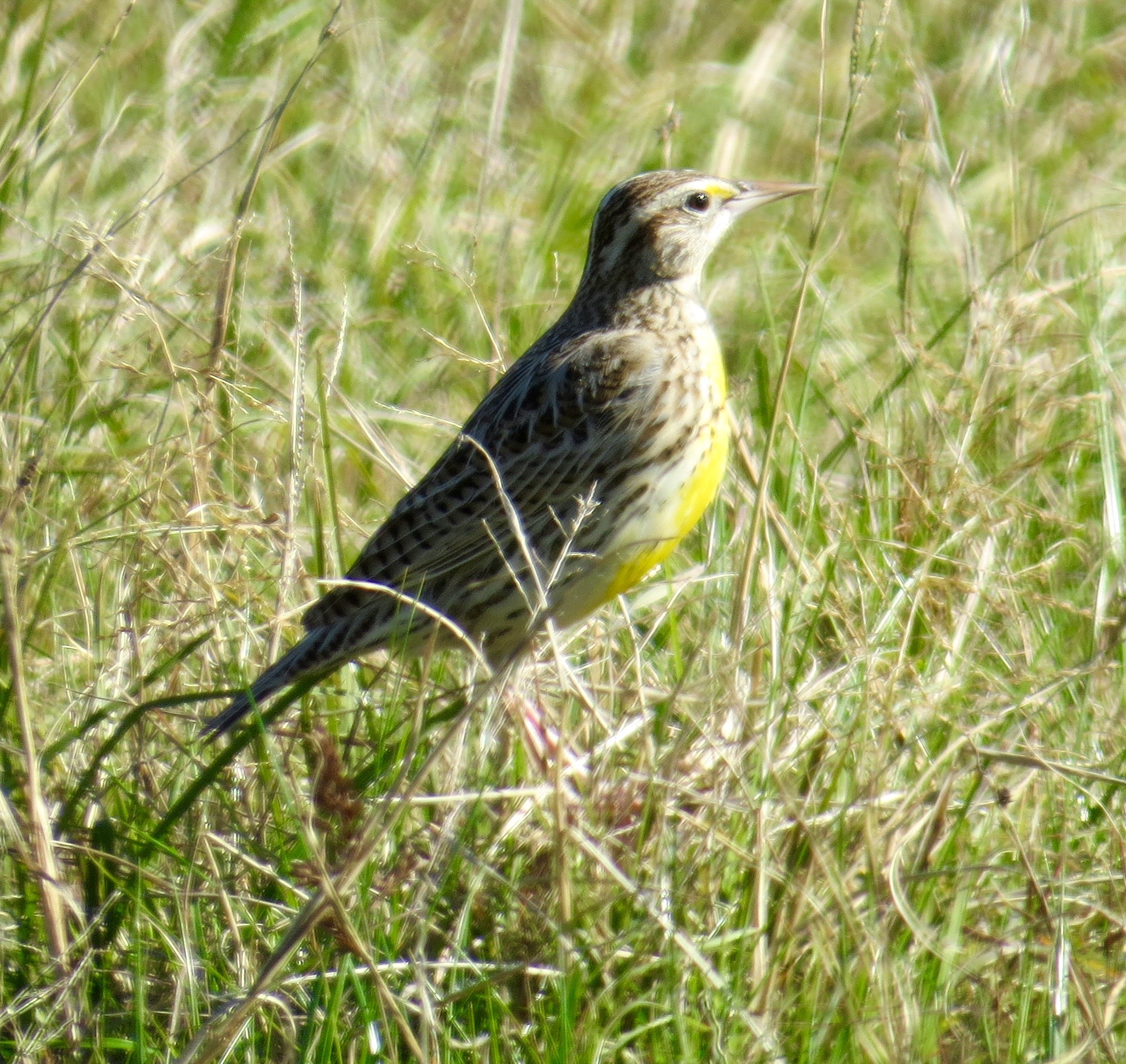
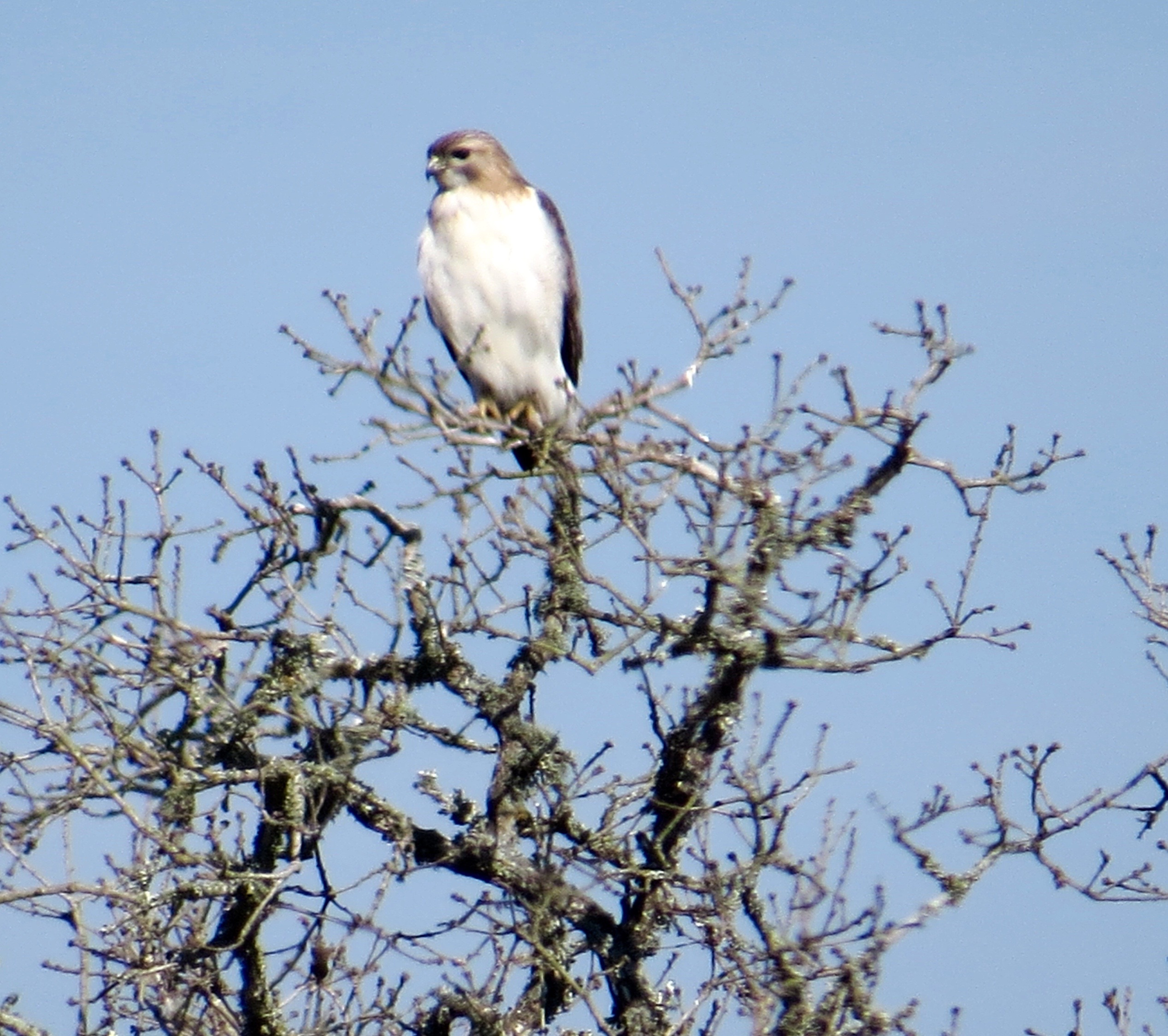
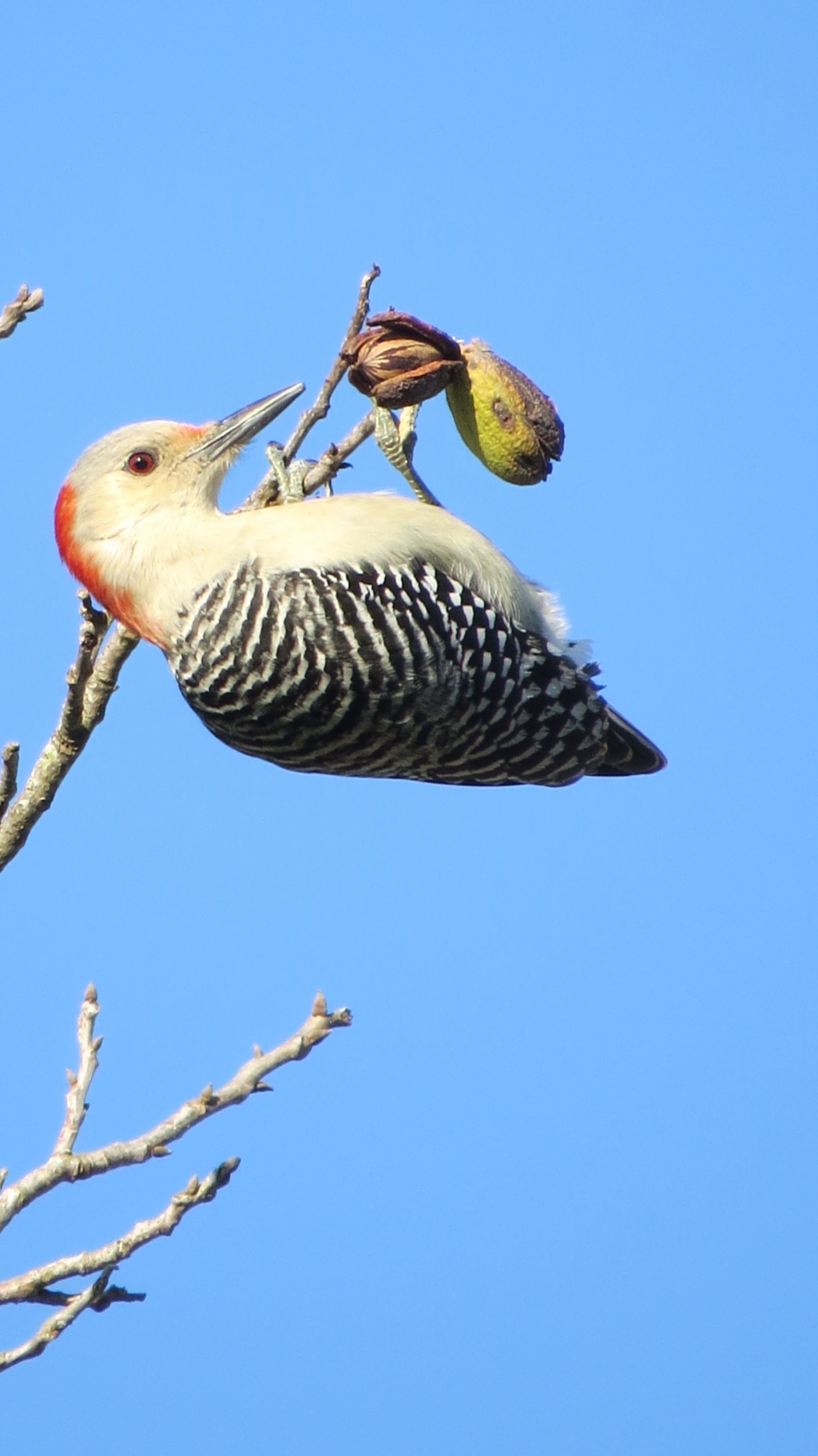
American Tree SparrowMale CardinalStarlingBlack VultureKilldeerCrested CaraCaraNorthern MockingbirdEastern MeadowlarkRed-Tailed HawkEastern BluebirdRed-bellied WoodpeckerBlue JayRed-shouldered HawkAmerican White Pelicans – Lake Somerville – January 2016
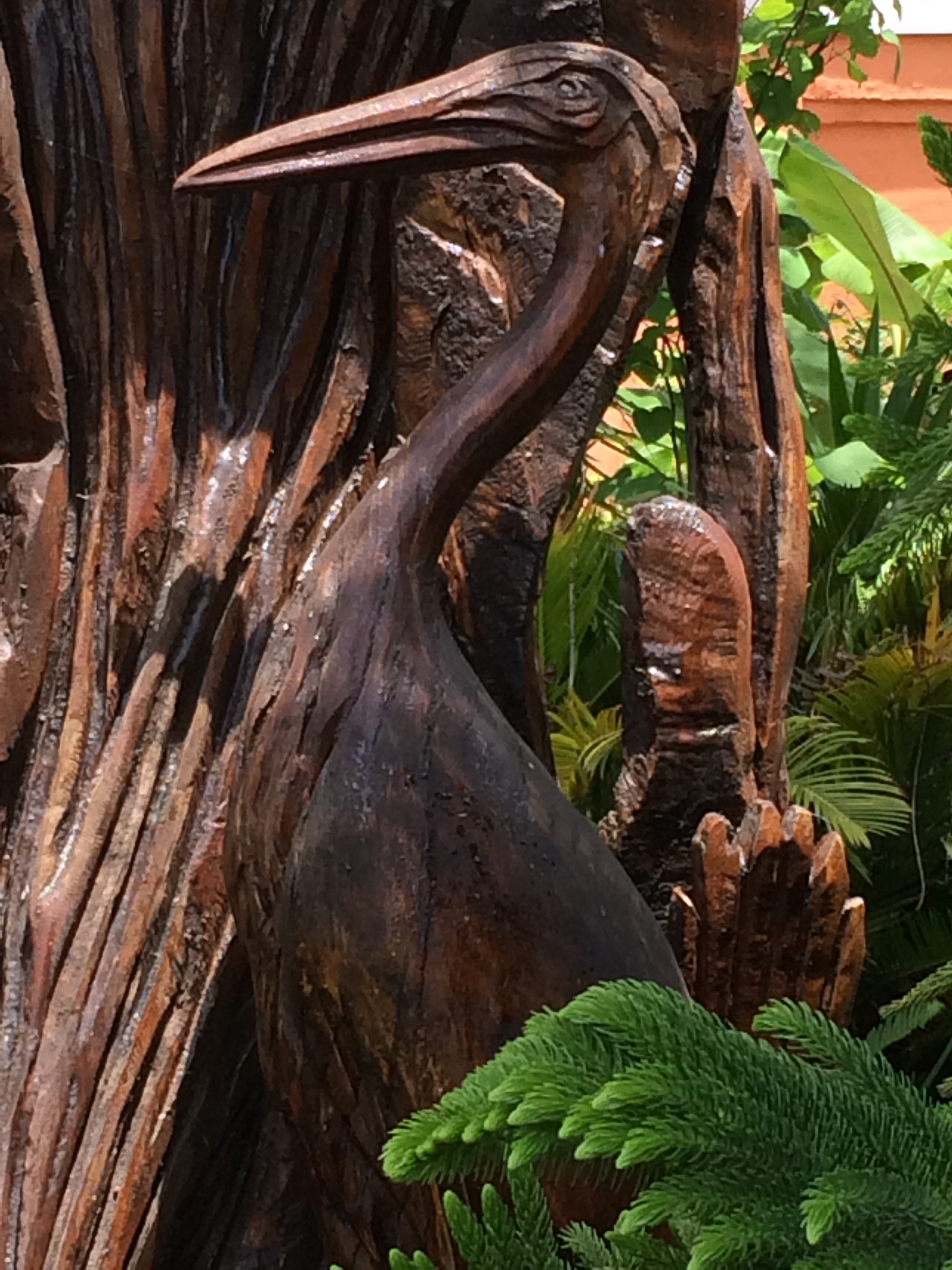
The beast was a hurricane named Ike. He roared onto the Texas Gulf Coast on Galveston Island in 2008 and in his passing he wrought great destruction to the sleepy resort city of Galveston. The wind ripped trees from the ground and the salty ocean tidal surge washed ashore and in its path left thousands of dead trees and other vegetation. But from the death of some of these great oak trees sprung a whole new cottage industry for some very talented artists. They cut and shaped from the dead trunks of these trees beautiful sculptures many of which are reminiscent of ocean front icons that have been used by authors to describe coastal areas throughout the centuries. And others are just plain whimsical.
The Causeway leading onto Galveston Island is lined with oleander bushes that have been there as long as I can remember. They bloom profusely throughout the hot Texas summer and combined with crepe myrtles they announce the arrival into a city filled with beautiful foliage and blooming plants. Many of the homes date back to the early 1900’s and have historical markers. The gardens that surround them are meticulously tended and lovingly maintained to enhance the homes that they adorn. Many of these homes are located in the Garden District. The very name tells you to expect an oasis of beautiful flowers and plants. Salt water destroys….be it plants, trees, paint on houses, rust on cars….inland, where it does not belong, it is a killer. Birds of Paradise, plumbago, crepe myrtles, roses, hibiscus and so many other varieties had to be replanted. After Ike, the rebuilding began. The people who inhabit Galveston Island are survivors. They have experienced many hurricanes…some barely dusting the island with blustery winds and rain and others like Ike that are killers dealing fatal blows.
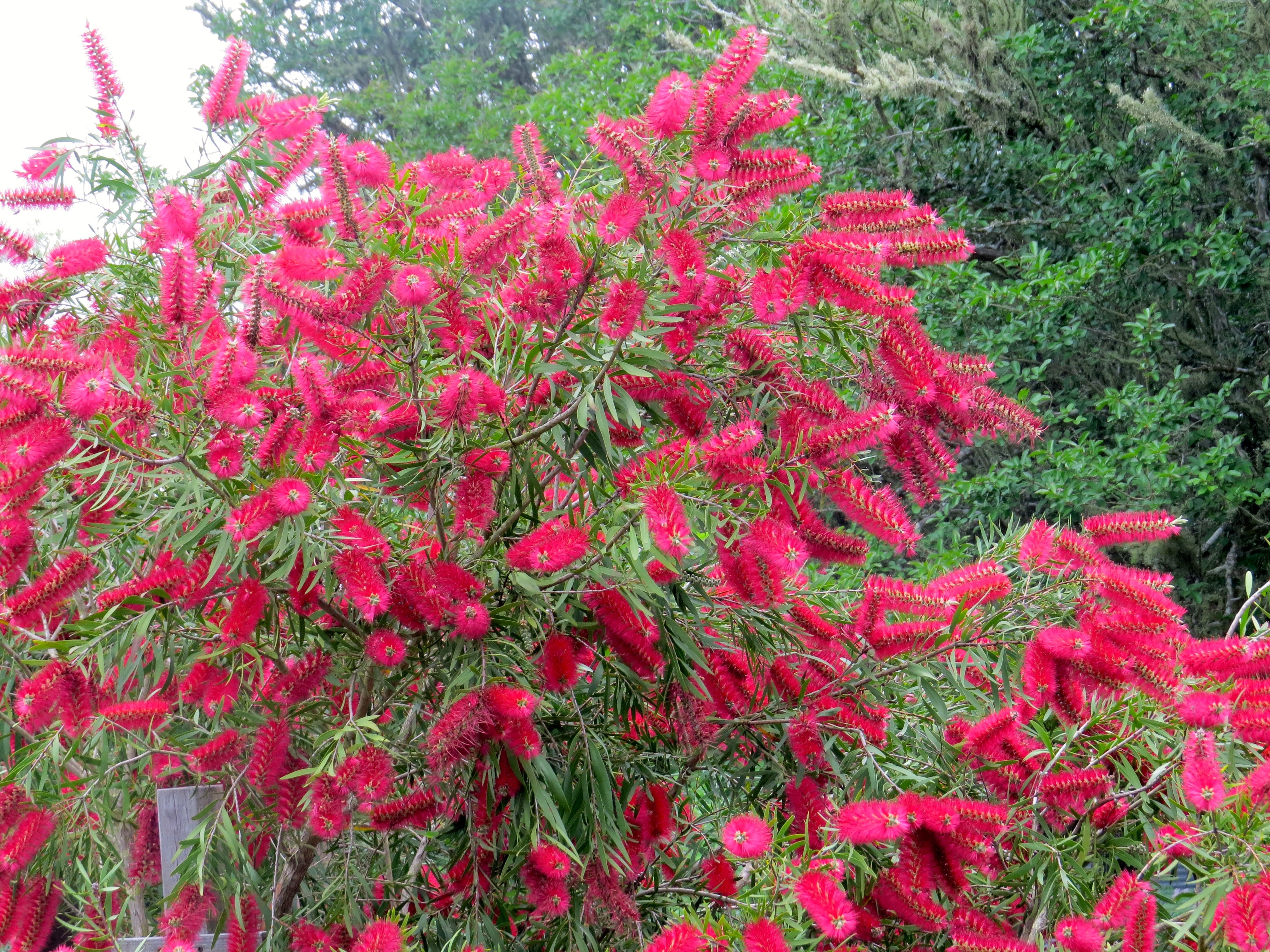
Bottle Brush Tree
There are many entertaining things to do in Galveston….shopping on the Strand, the Pleasure Pier on the sea wall, Moody Garden’s Rainforest, perusing souvenir shops, walking the beaches, birdwatching, fishing and the list goes on and on. The one that has become a must see tourist attraction is called the Tree Sculpture Tour. Self guided or with a guide, it is fun and entertaining to seek and find the homes that have engaged one of those entrepreneur artist to turn a dead tree in their front yard into an art object. It is truly remarkable to see how beautiful they are and certainly an example of one of the highest forms of recycling.
I am sure that another hurricane will eventually make its way to Galveston Island. Mother Nature is a powerful force when it takes the form of a hurricane. Rebuilding after one is the price one pays for living on the Gulf Coast. Is the price too high? Only the person living it can answer that question. The love of beach life, the smell of the salty air, the warm gentle Gulf breezes and the healing powers of a walk on the beach are powerful motivators for challenging Mother Nature for a piece of real estate that offers what many islanders consider to be “the good life”!
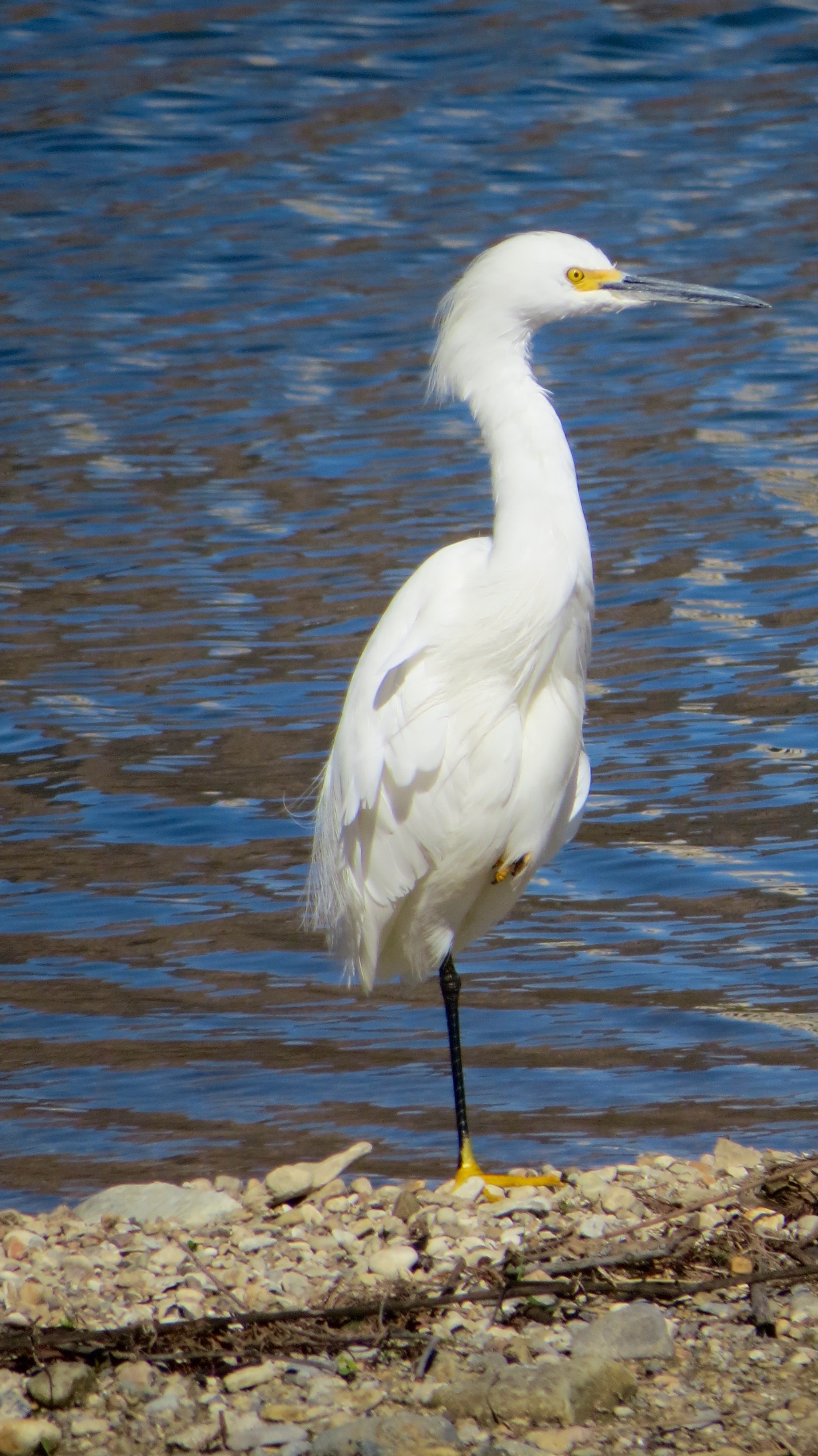
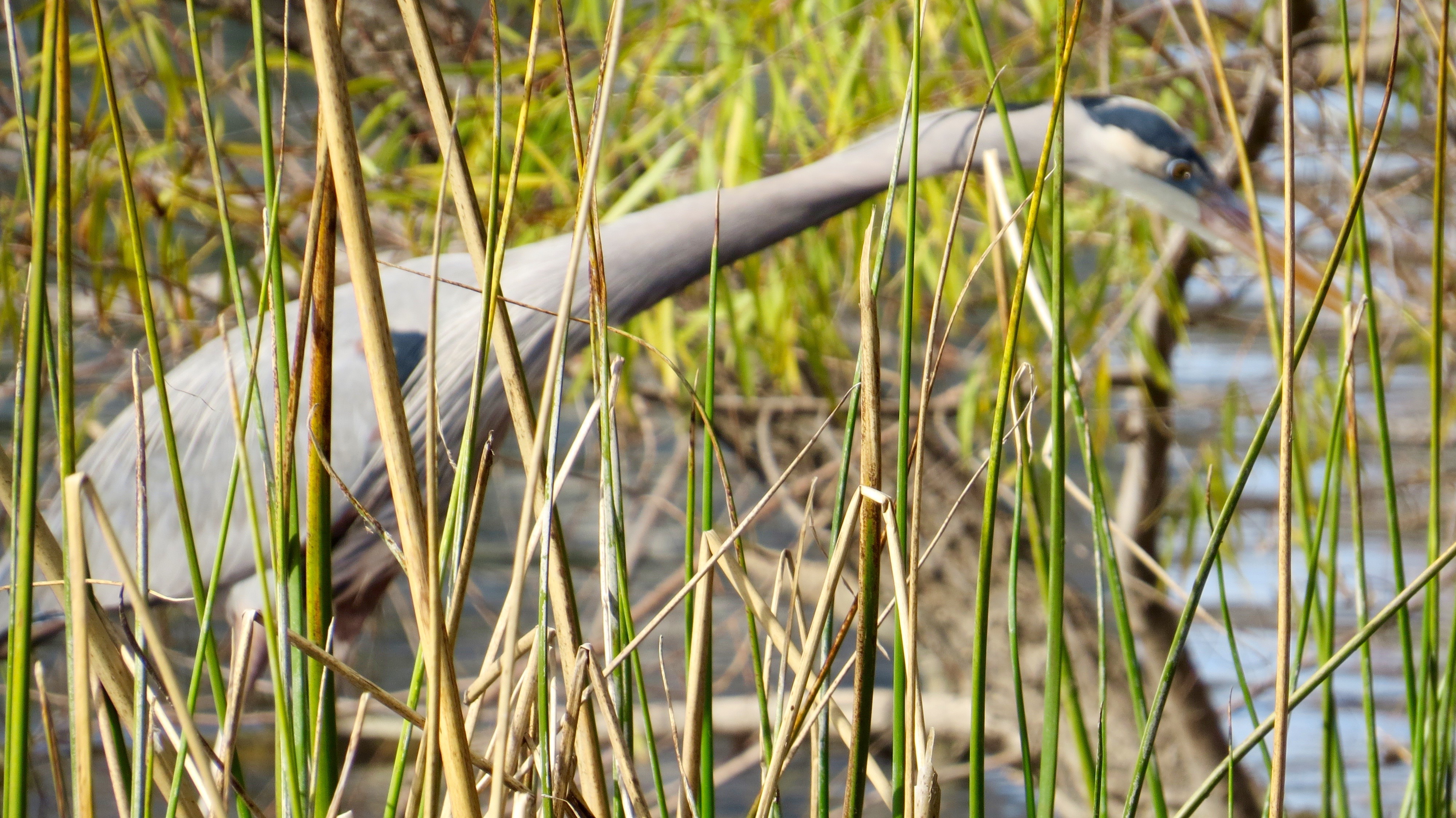
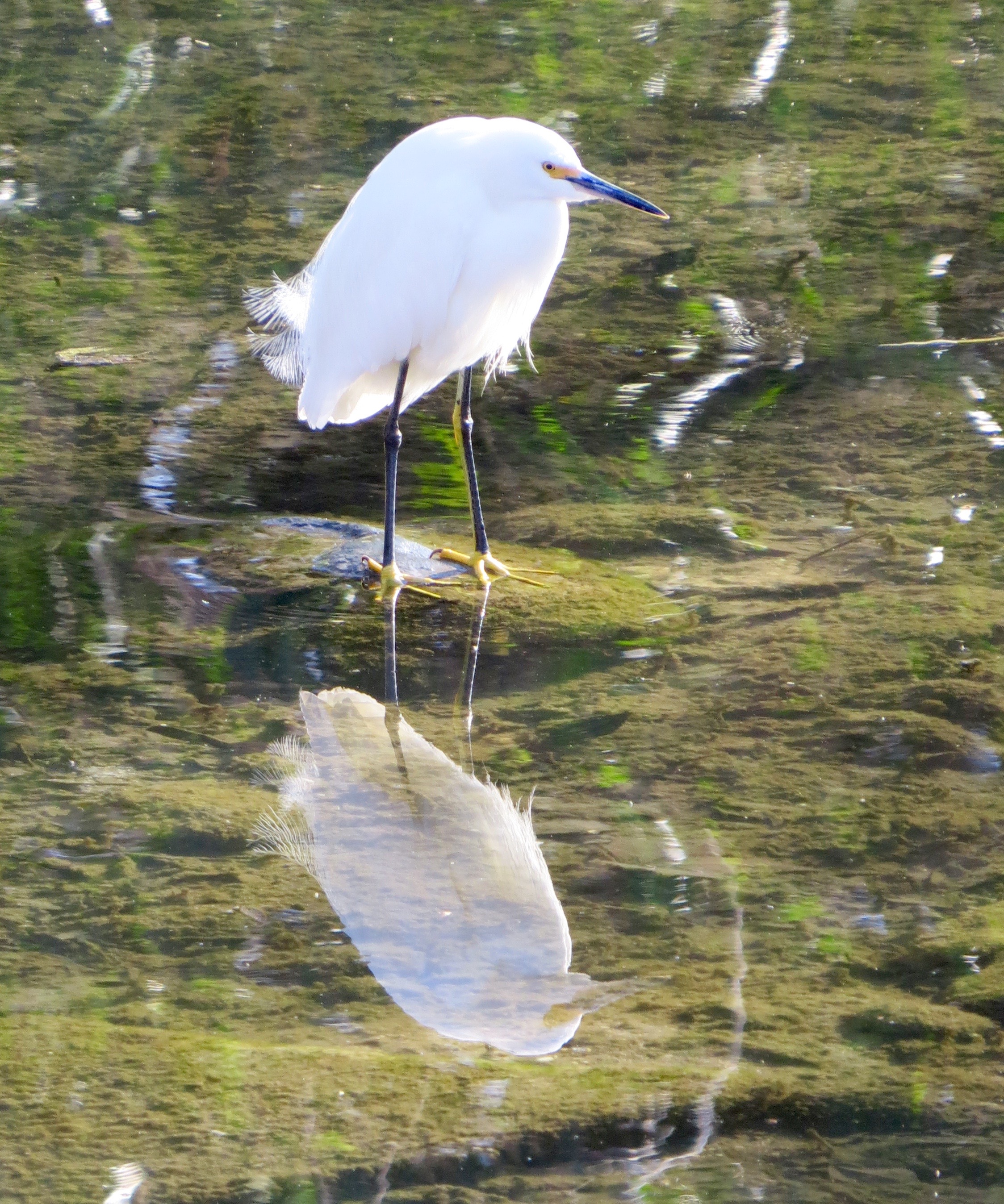
Snowy Egret – January 2016Great Blue Heron on the hunt – January 2016Great Blue Heron – January 2016
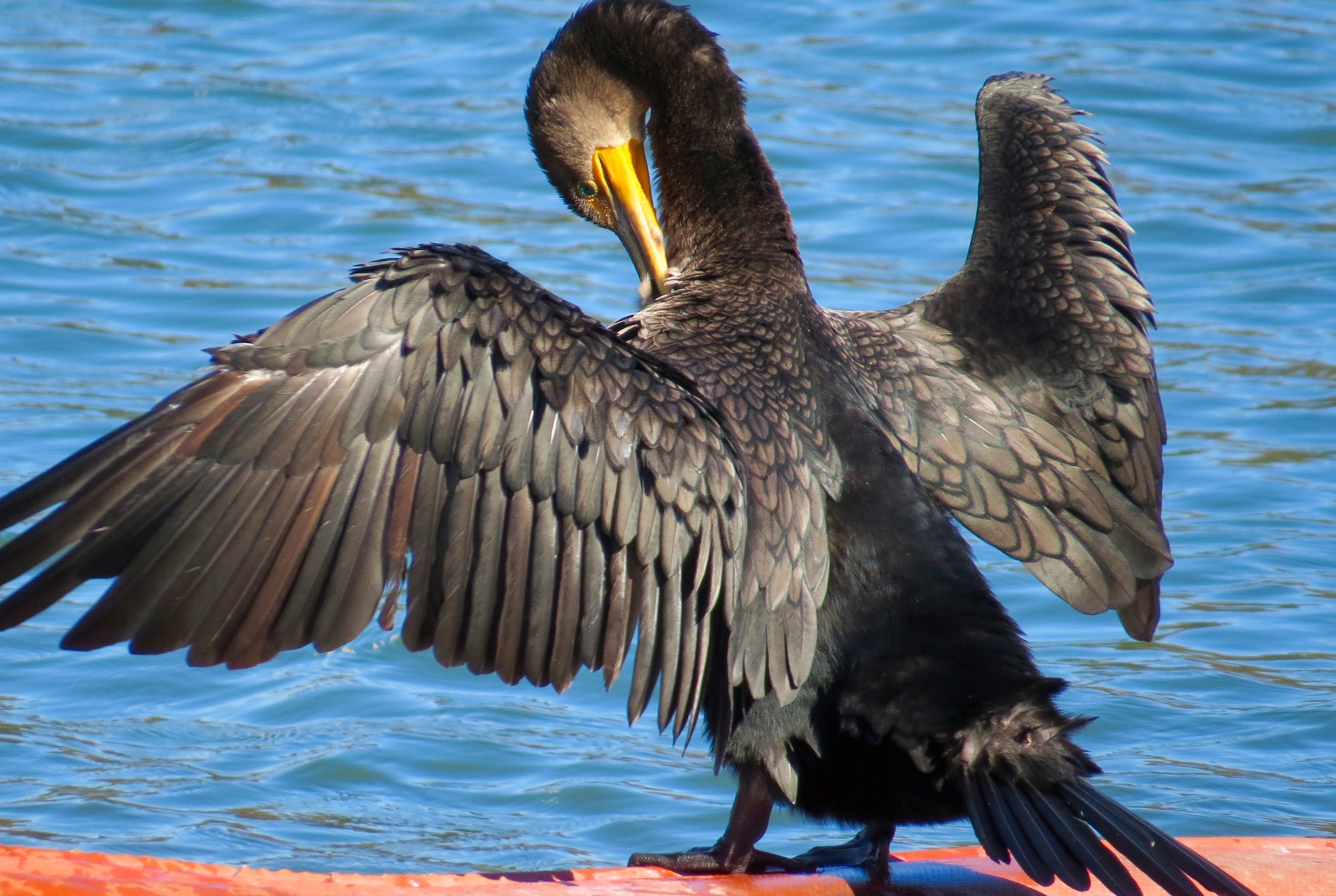
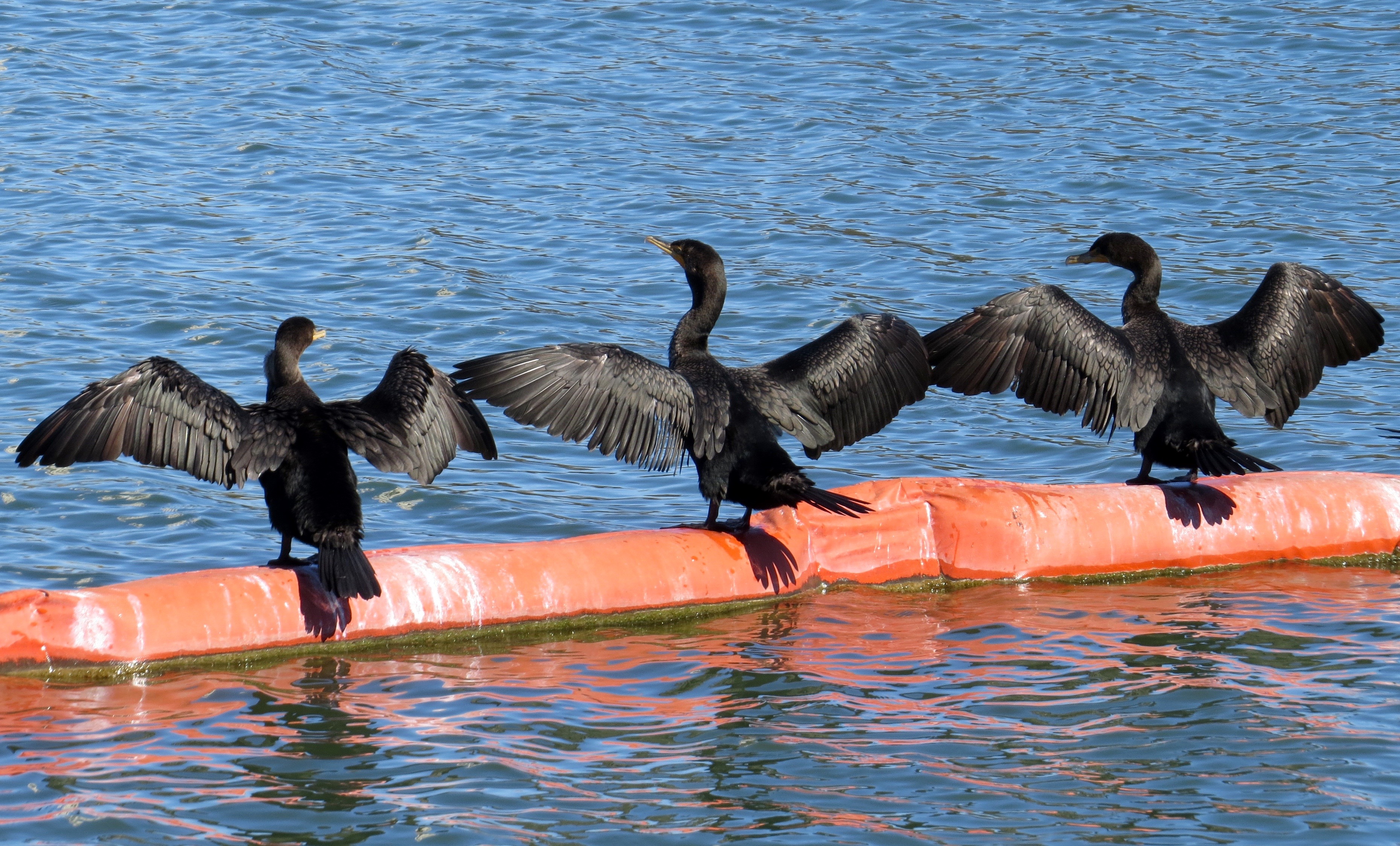
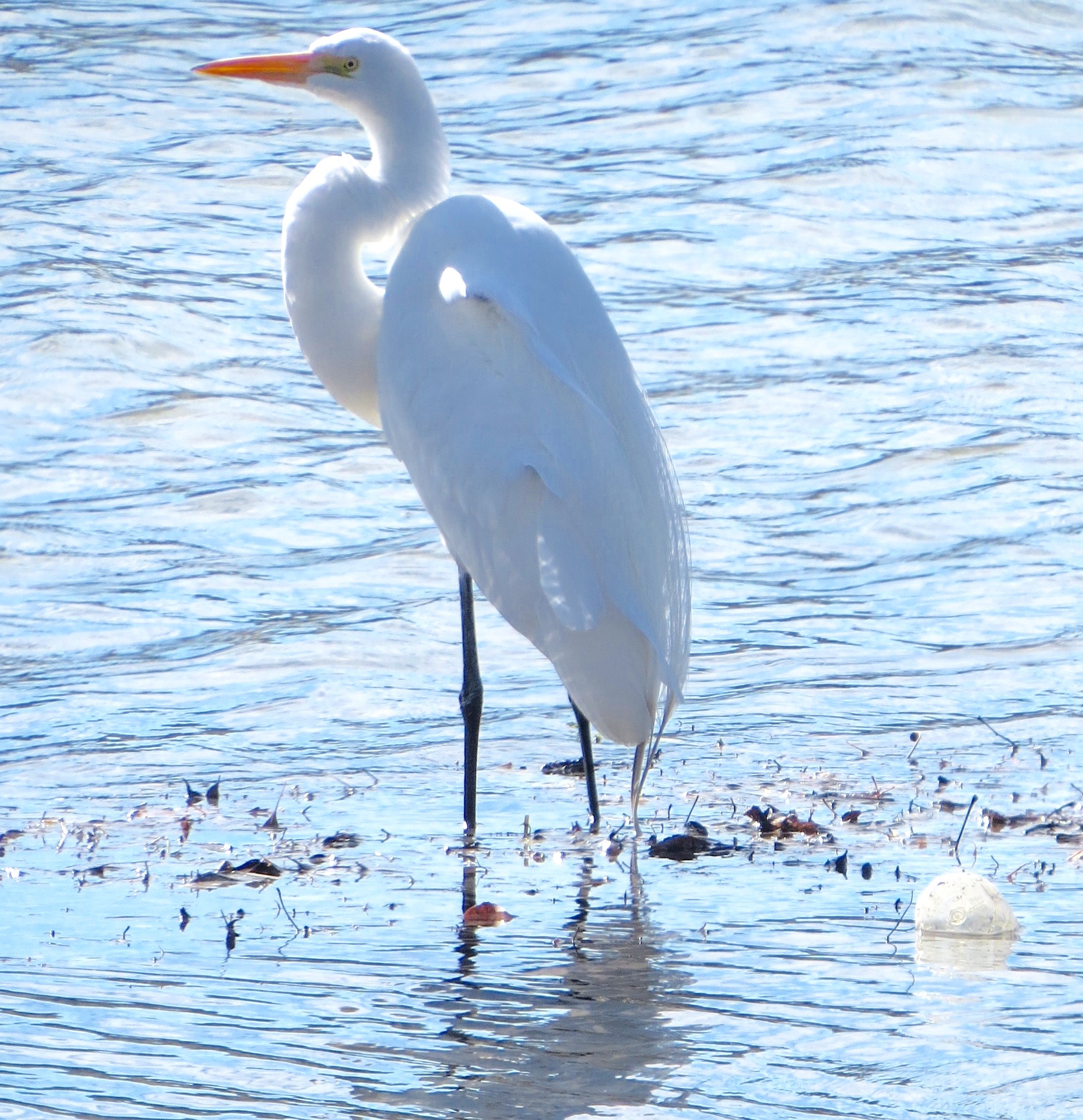
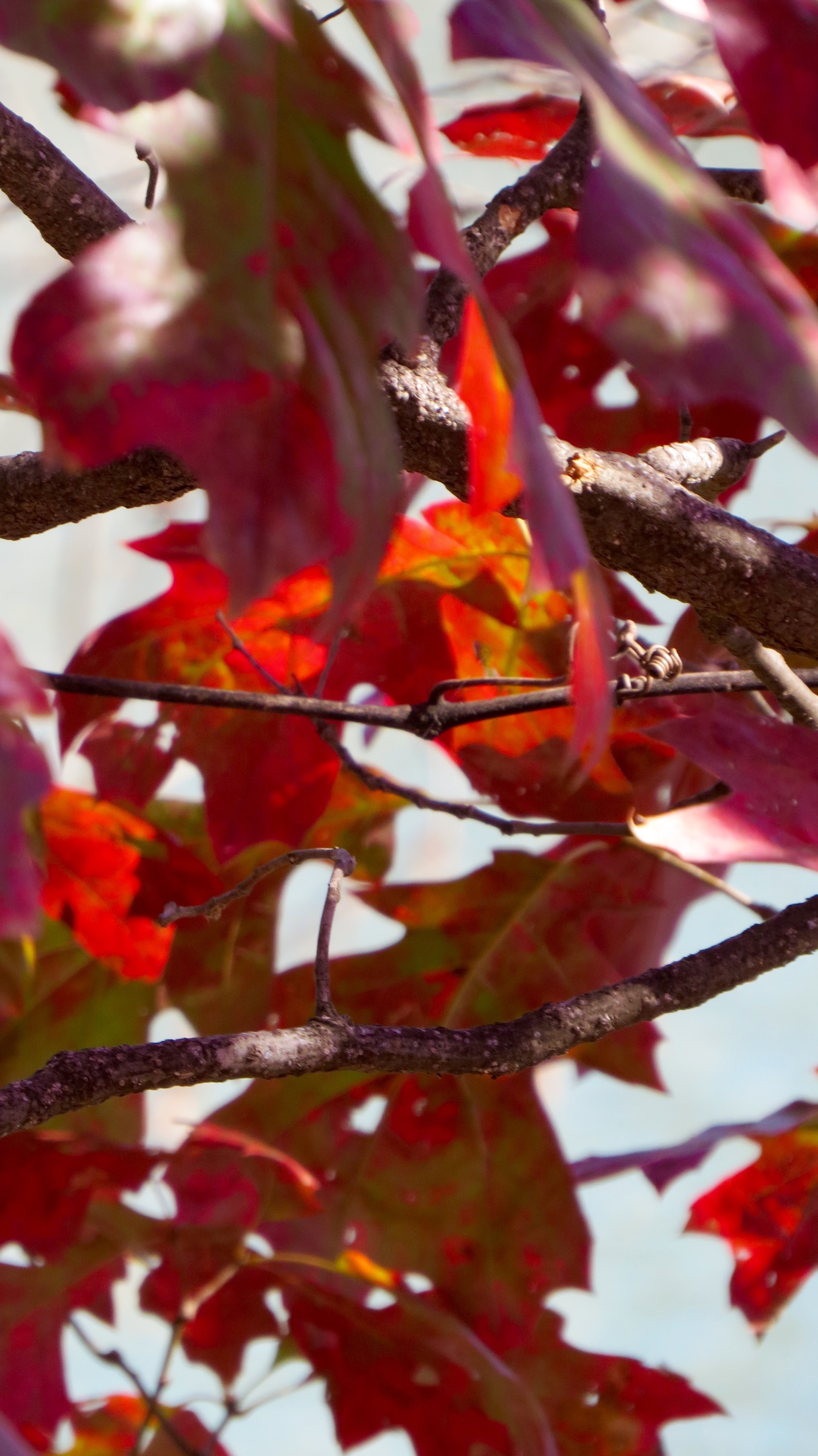
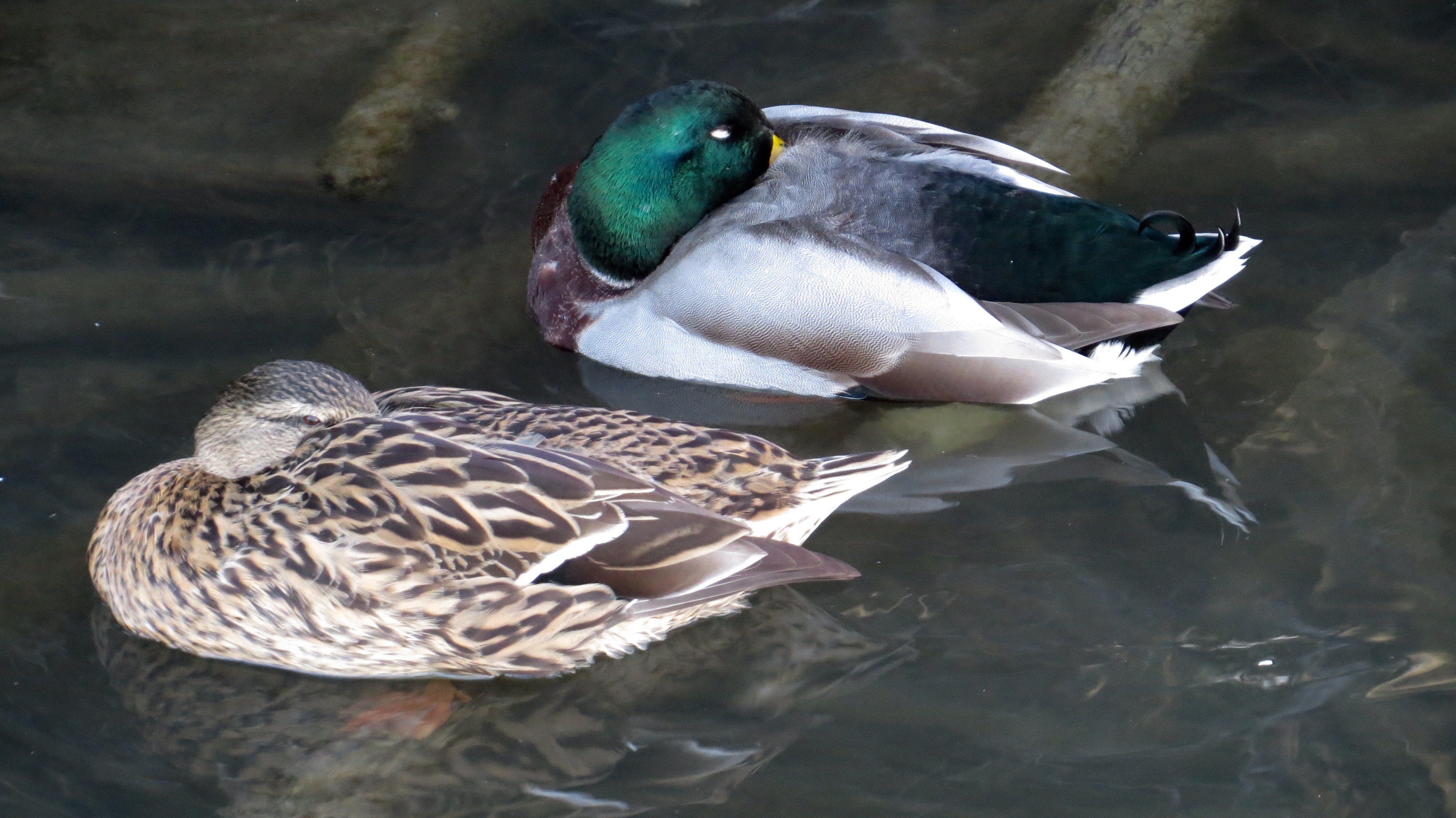
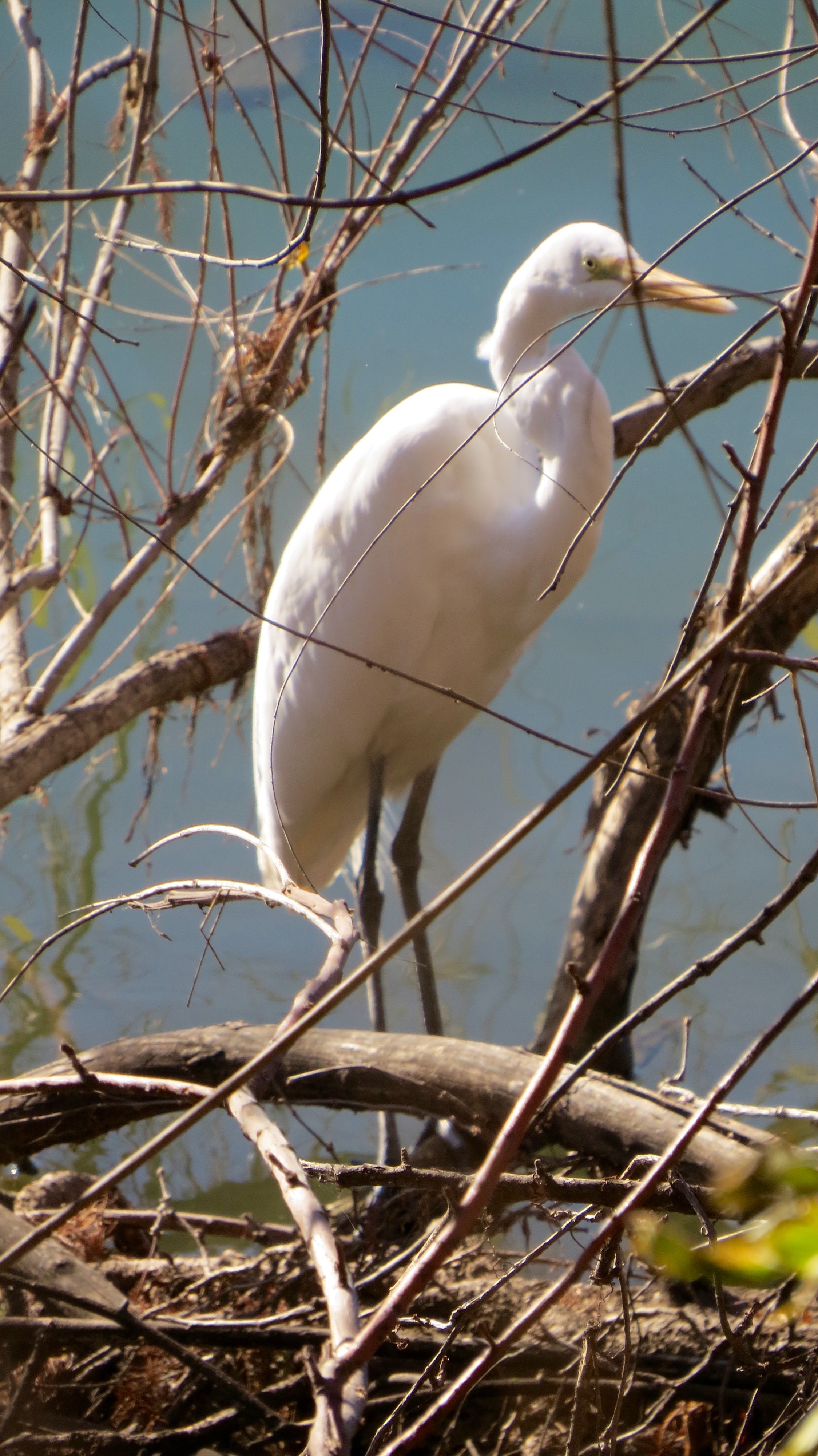
Cormorants Drying their WingsGreat EgretFall Leaves Hanging OnSnowy Egret having a bad hair day!A bird of a different speciesAnd Another from the pastSnowy Egrets Branching OutOne of the manyMale and female Mallards catching a little shut eye
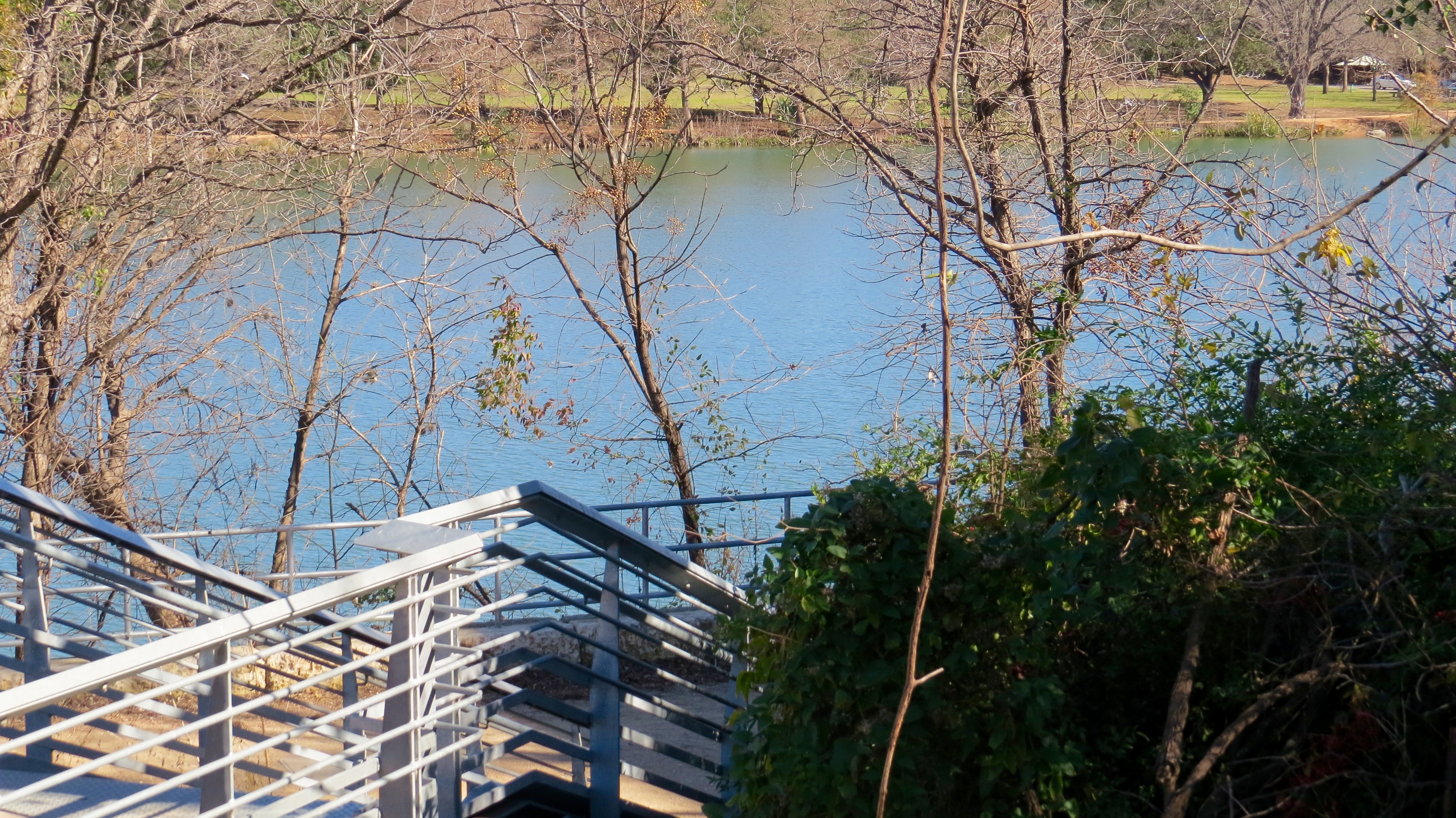
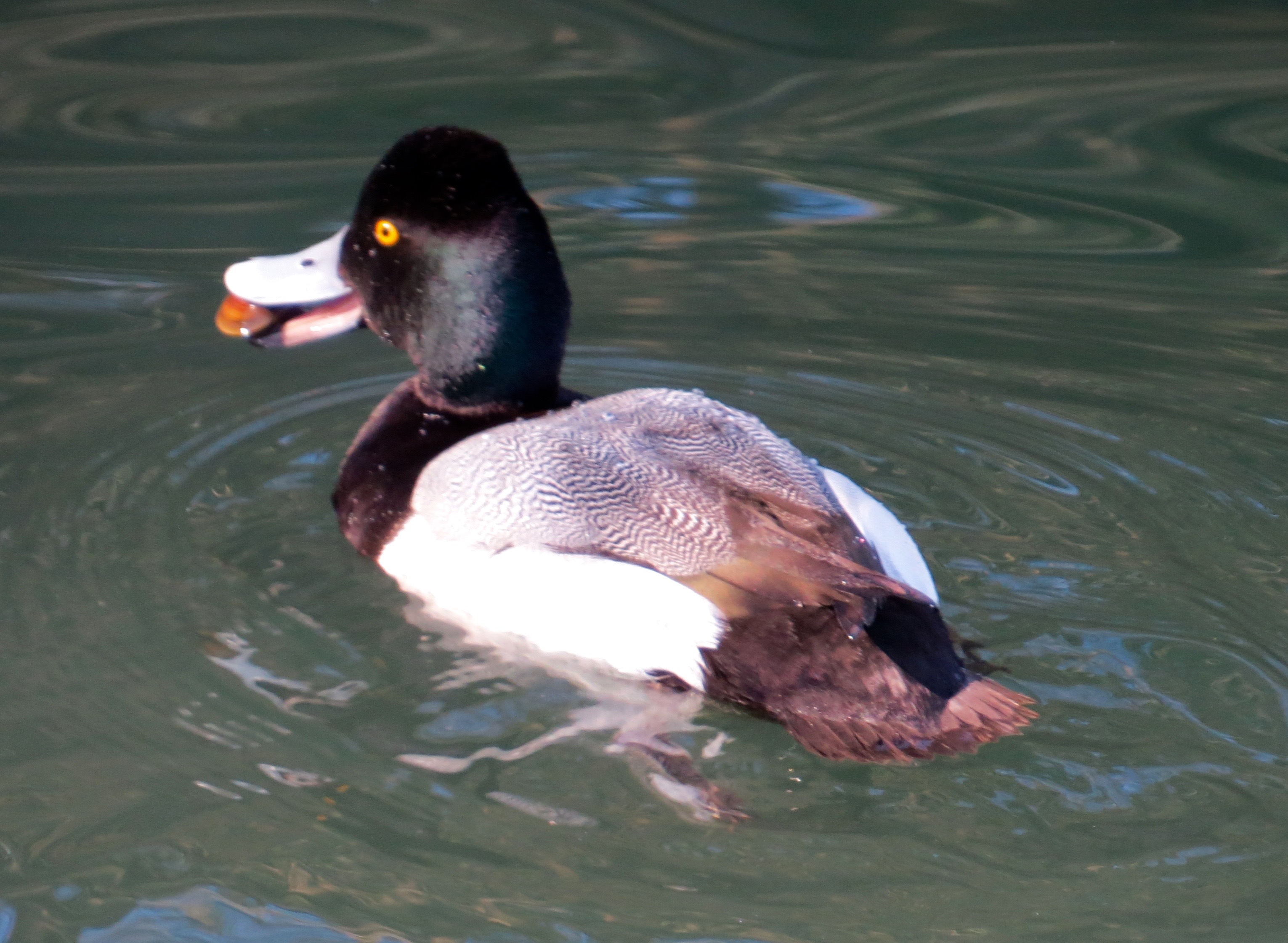
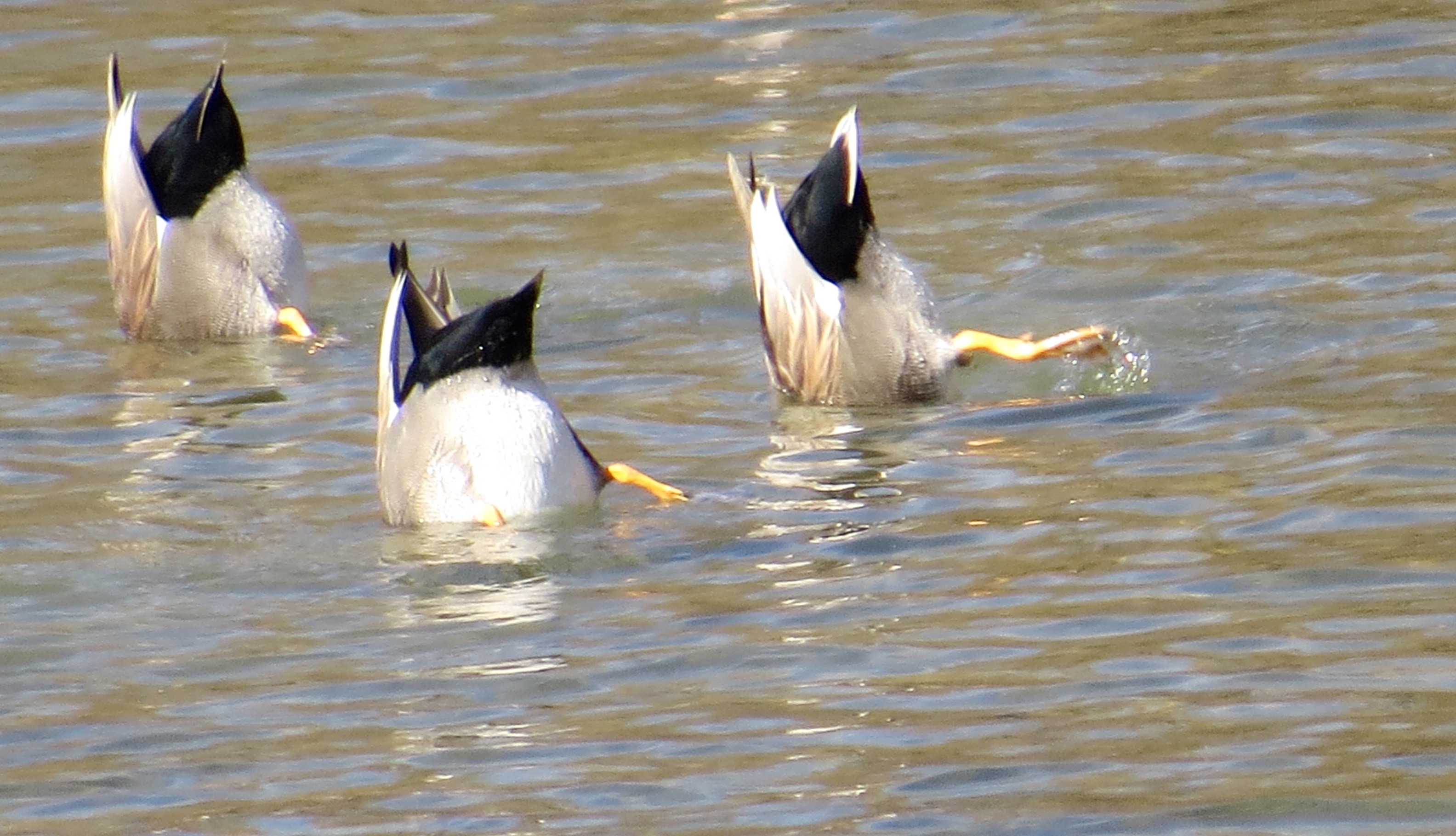
Great EgretOn the Boardwalk – Lady Bird LakeLook What I found! – Lesser Scaup – January 2016Dabbling Gadwalls – January 2016
Another great walk on Austin’s beautiful Lady Bird Lake.
A beautiful winter day, blue skies, and 70 degree temperatures always inspire a walk along Lady Bird Lake. Great Egret, Snowy Egret, Cardinal, Red-Bellied Woodpecker, Lesser Scaups, Wood Ducks, Mallards, American Coots, Grackles, Cormorants, Rock Pigeons, Squirrels, and beautiful reflections on the water were all sprinkled throughout a leisurely stroll along one of Austin’s greatest treasures. Here are few of the regulars that I captured along the way.
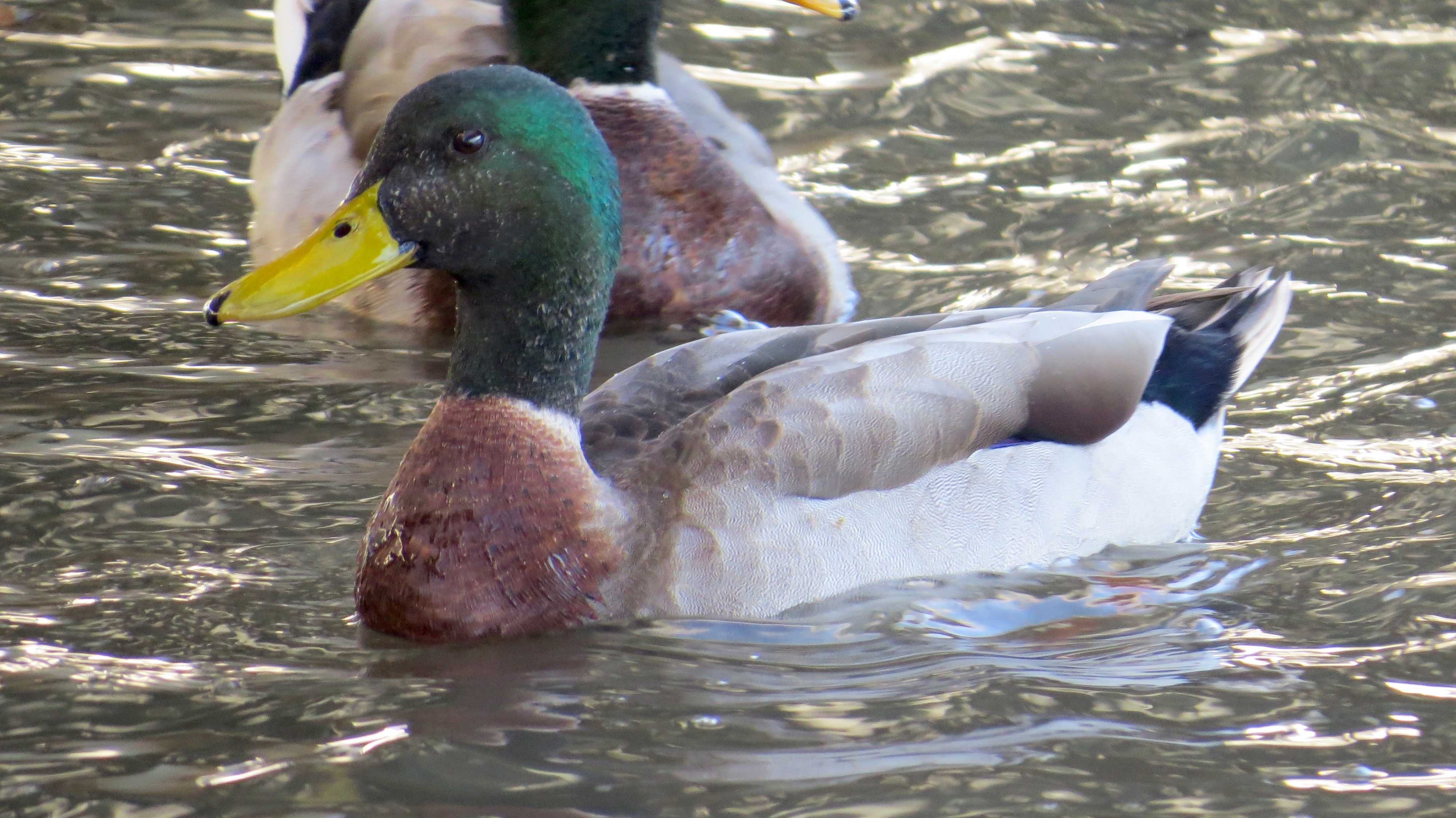
Lesser Scaup – January 2016Great Egret – January 2016Snowy Egret – January 2016Mallard – January 2016Mr. Curious Squirrel – January 2016Reflections – January 2016Wood Duck – January 2016Winter on Lady Bird Lake – January 2016
I started my walk today with the hope of spotting a Green Kingfisher that has been seen multiple times. Even though I didn’t spot him, I had a very pleasant walk and a great visit with many of the Lady Bird Lake regulars and a few winter visitors.
Next time Mr. Green Kingfisher! Happy bird searching!!!
Many years ago, BB (before birding) I visited this area of Galveston with my best friend when we were spending a week at the beach with our girl scout troop. We were fortunate because she had a boss who owned a beach-front house in Pirate’s Beach, so we were able to enjoy a week with only the expense of food and outings. What fun we had! We would bring some spaghetti, Chicken South Texas, hamburger fixings and then with a salad and bread thrown in the mix, we had a great tasty meal with easy clean up. At least one or two nights we would go out to dinner and one of the places we visited was located on the East Jetty beach road. I think it was called Tubby’s. I really can’t remember except they had outstanding fried shrimp, their windows overlooked the ship channel and the sky was most often filled with twisting terns, soaring sea gulls and patrolling brown pelicans.
Caramel Apples
During the day we explored the Strand treating ourselves to salt water taffy, ice cream cones or caramel apples at La Kings Confectionery and of course no visit would be complete without a visit to Colonel Bubbie’s, an old army/navy surplus store with the aisles crammed full of old military paraphenalia…camouflage clothing, jackets, mess kits, canteens, even old gas masks… all of which seemed to appeal to our scouts. They swam in the ocean, built sand castles, practiced their skits for the Cadette Event talent competition, played games and once we even visited the Dickens on the Strand celebration at Christmas time. So many memories, so many good times. But back then I was much more interested in treasures that might wash up on the beach….sand dollars, shark’s teeth, cockle shells, whelks….and never paid much attention to the plethora of bird species that surrounded us on a daily basis. That was then…a good 40 years ago. And Galveston has morphed over these many years as well.
Benno’s Restaurant on Galveston’s Seawall
Every visit to Galveston now includes several trips to the East Jetty which is one of my favorite spots to seek out birds. No matter the season, I am always richly rewarded with many birds that are old familiars but still excite me with their beauty. I often wonder how I could not have been aware of the huge quantity of birds that abound on the Gulf Coast. My best guess is that I was so wrapped up in my “child rearing” years that there was just no time for me to take in any more than dealing with the immediacy of feeding and protecting the scouts that were in our charge as well as shepherding my own children through their growing years.
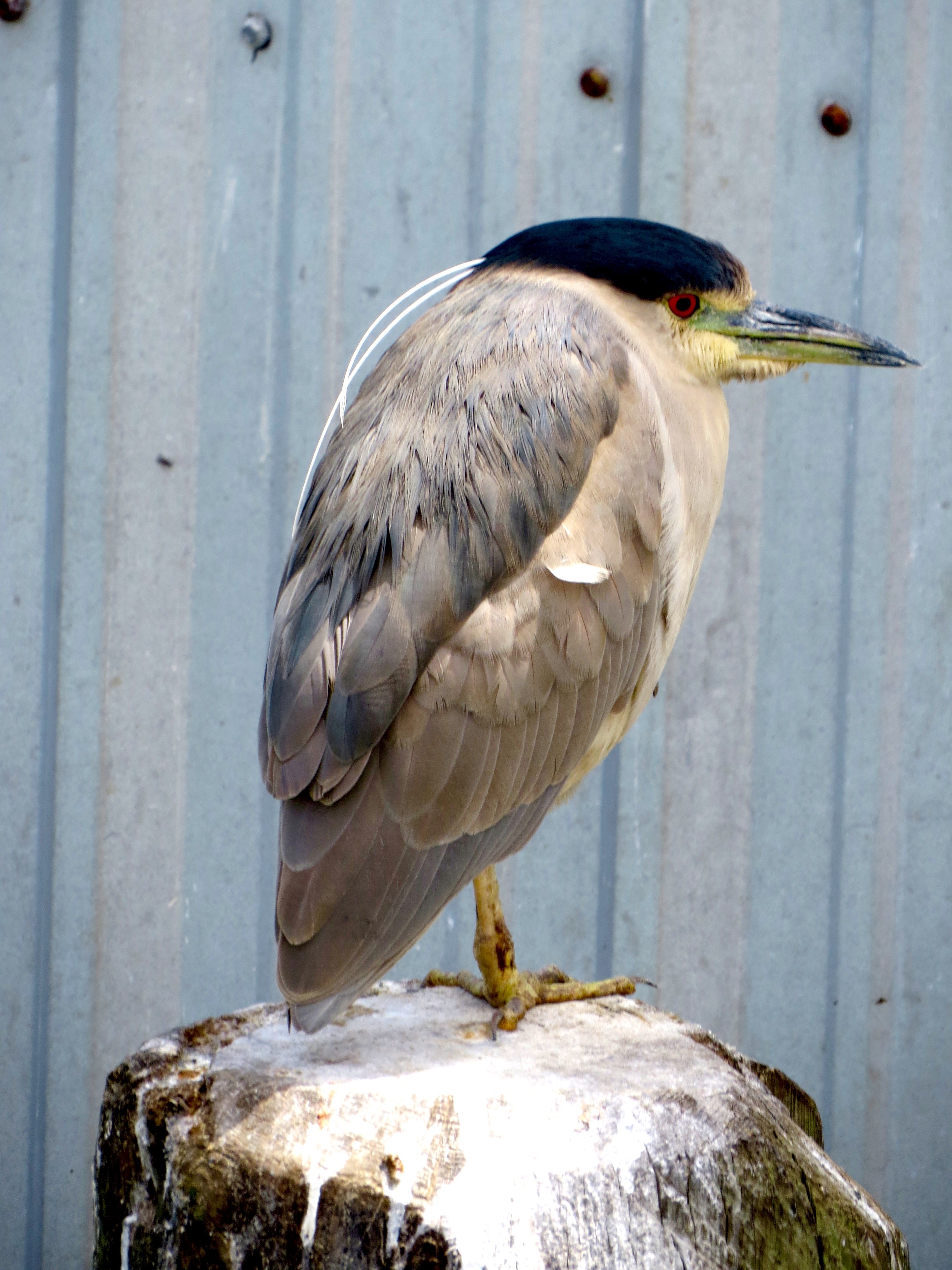
I have seen huge flocks of American Avocets, dancing Reddish Egrets and white morphs, secretive Night Herons, scores of juveniles, Long-billed Curlews, long-necked Great Egrets wading through marshy grasses, a Great Blue Heron standing as still as a tree trunk waiting for a fish, and a whole lot of LBJs (little brown jobs) that I still have difficulty correctly identifying. I am addicted! Even as I write this, I can feel the ocean breeze, inhale the salty air and hear the pounding surf as it glides onto the beach. I can feel the soft sand beneath my feet and squishing through my toes. I can taste the fried shrimp at Beeno’s on the seawall and envision the sun settling on the horizon. I’m packing for the beach!
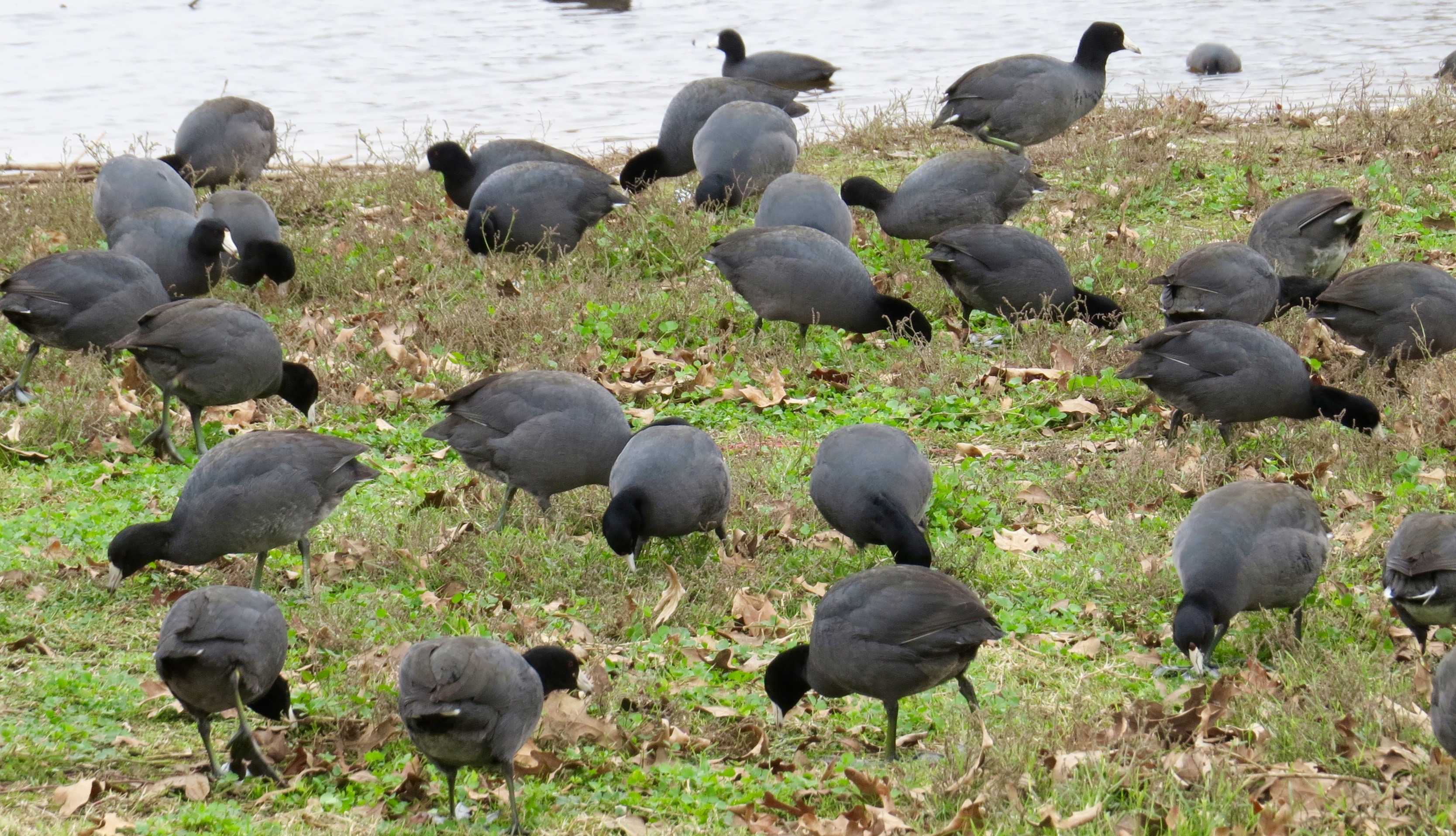
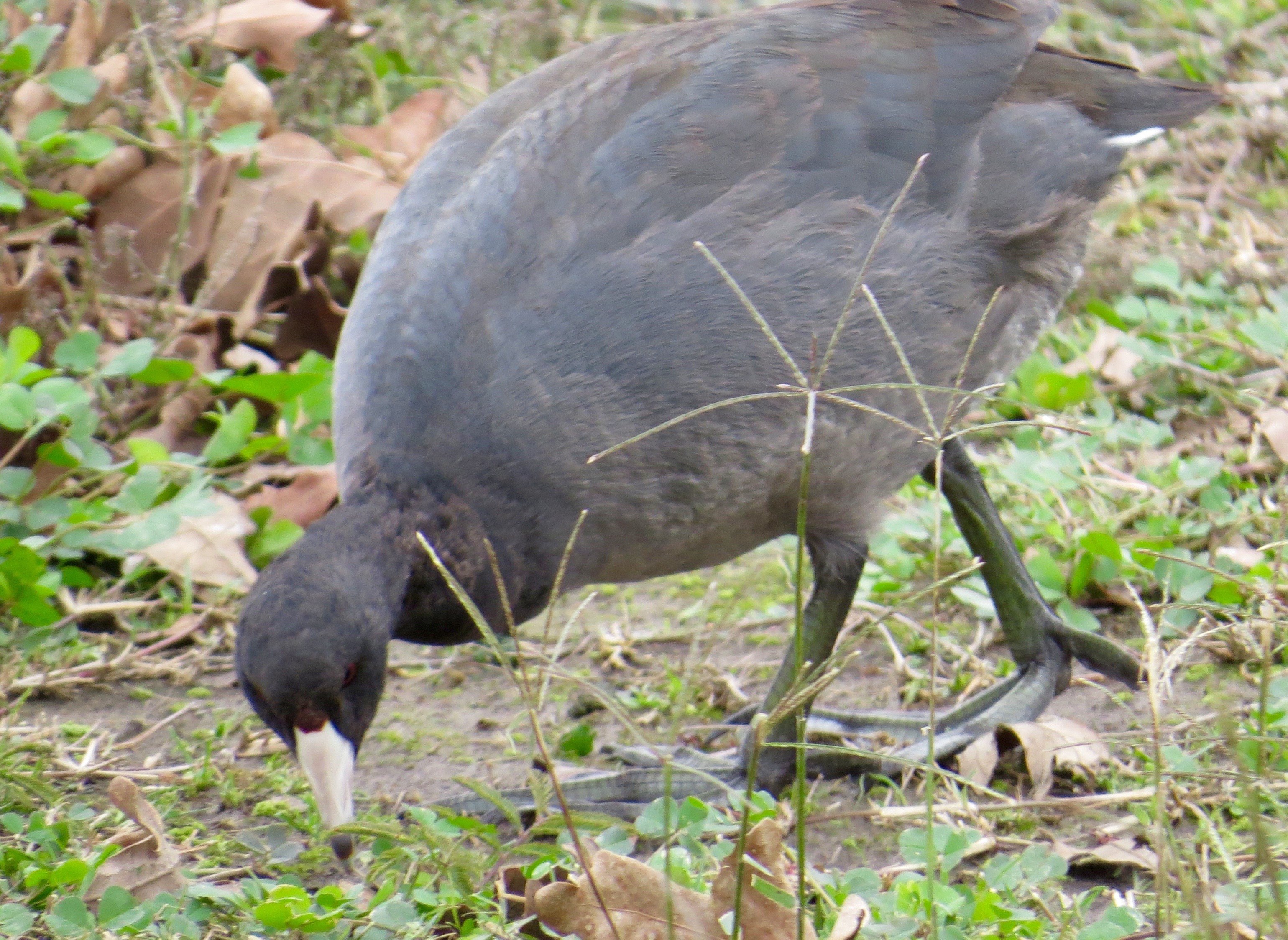
The beak on the American Coot isn’t all that remarkable, but the feet of this bird species is quite unique. American Coots are more closely related to Rails and Cranes than to ducks. Easily identified by its plump dark grey body, black head and short, pointed white bill, this bird can be found most anywhere throughout North America. They readily intermingle with ducks on ponds everywhere even though they are not really ducks. On land they walk more like a chicken with bobbing heads rather than the waddle we most often associate with ducks. They require a long runway for take off much like a 747 must have a longer runway to become airborne. And they are not the most graceful birds once they have lifted off. In fact to get lift off, they use their wings to raise them slightly out of the water and then literally run across the water before finally achieving full flight.
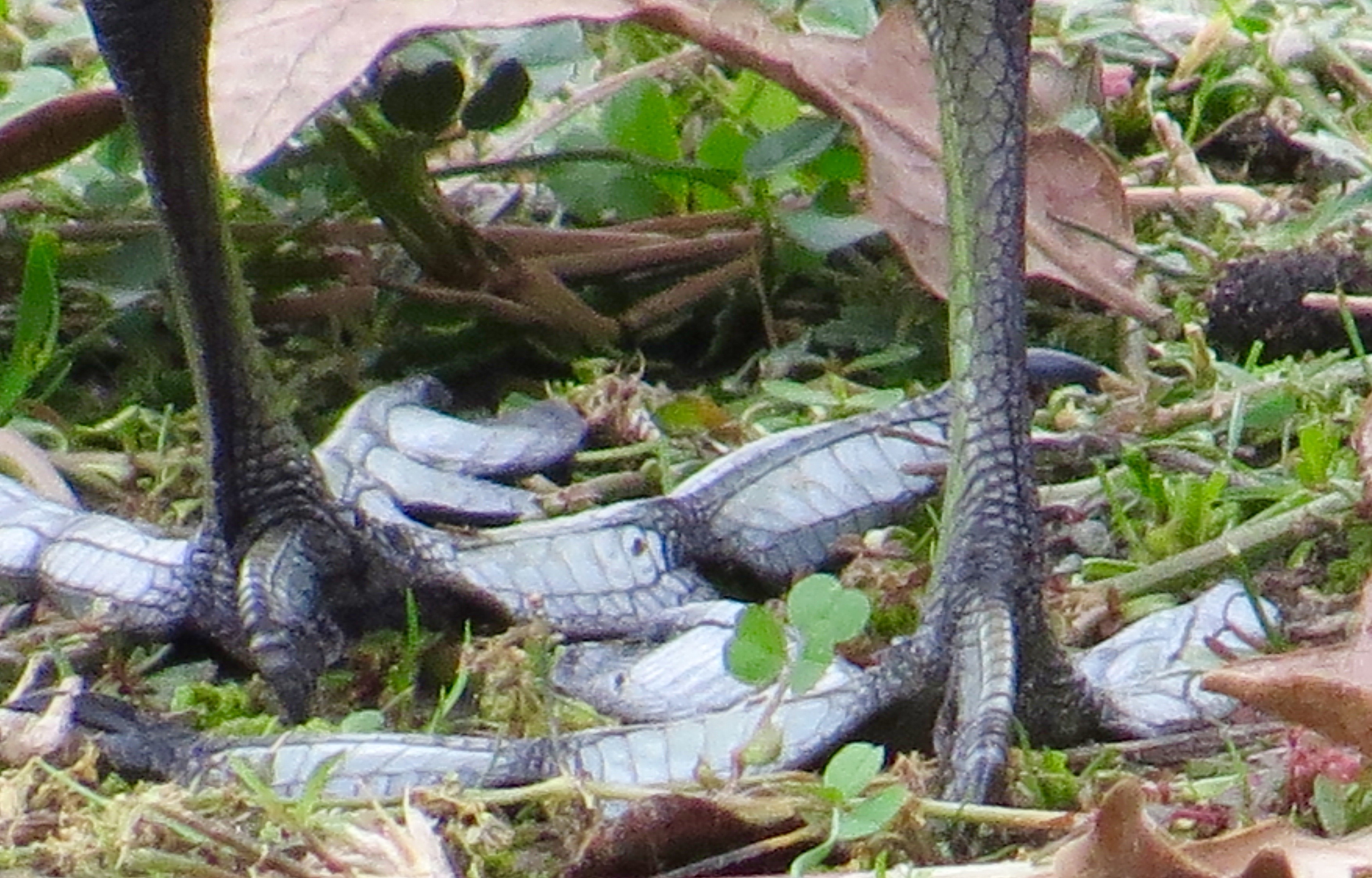
American Coot – Personal Photo GKennedyAmerican Coot Feet – Personal Photo GKennedy
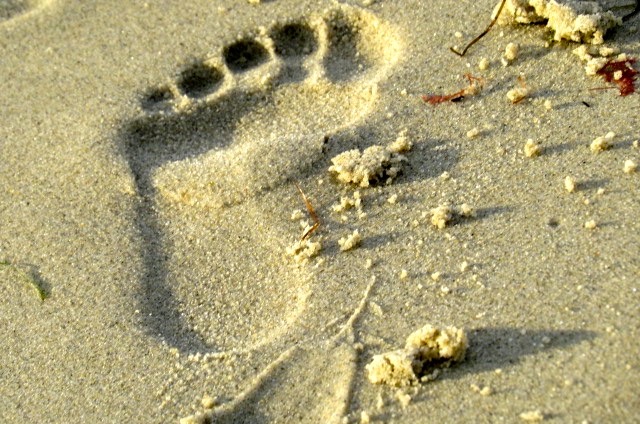
But this bird’s feet are worth a closer look. Their feet are quite large and have lobes on each of the toes. No webbed feet here. Specifically designed to enable them to walk on ground or in marshy areas where they scavenge for leafy greens, snails, worms, frogs, crayfish, and other bird eggs, these feet do triple duty….enable coots to walk on land, walk on marshy areas, walk on the water prior to taking flight. In other words….these feet were made for walking!
So just because a bird is floating on water, doesn’t necessarily mean that it is a duck. If it walks like a duck (and coots don’t), talks like a duck (they don’t – their call was frequently used in old Tarzan movies) or looks like a duck (bills are pointed, not rounded like ducks) then it must be a duck doesn’t apply to the American Coot.
They are interesting birds, fun to watch when taking flight, and easy to identify. So go find yourself an old “Coot”

 destination was the vacation home of one of our scouts. It became our home base as we engaged in different day activities. One of those was the YO Ranch in Central Texas. It is quite a fancy place today, but back then it was a taste of the Old West combined with an African wildlife adventure. It was an opportunity for our girls to see up close and personal many exotic animals they had never seen before. It was fun!




















 ginnybirdbeakspeak