

Bird of the Month – January 2016
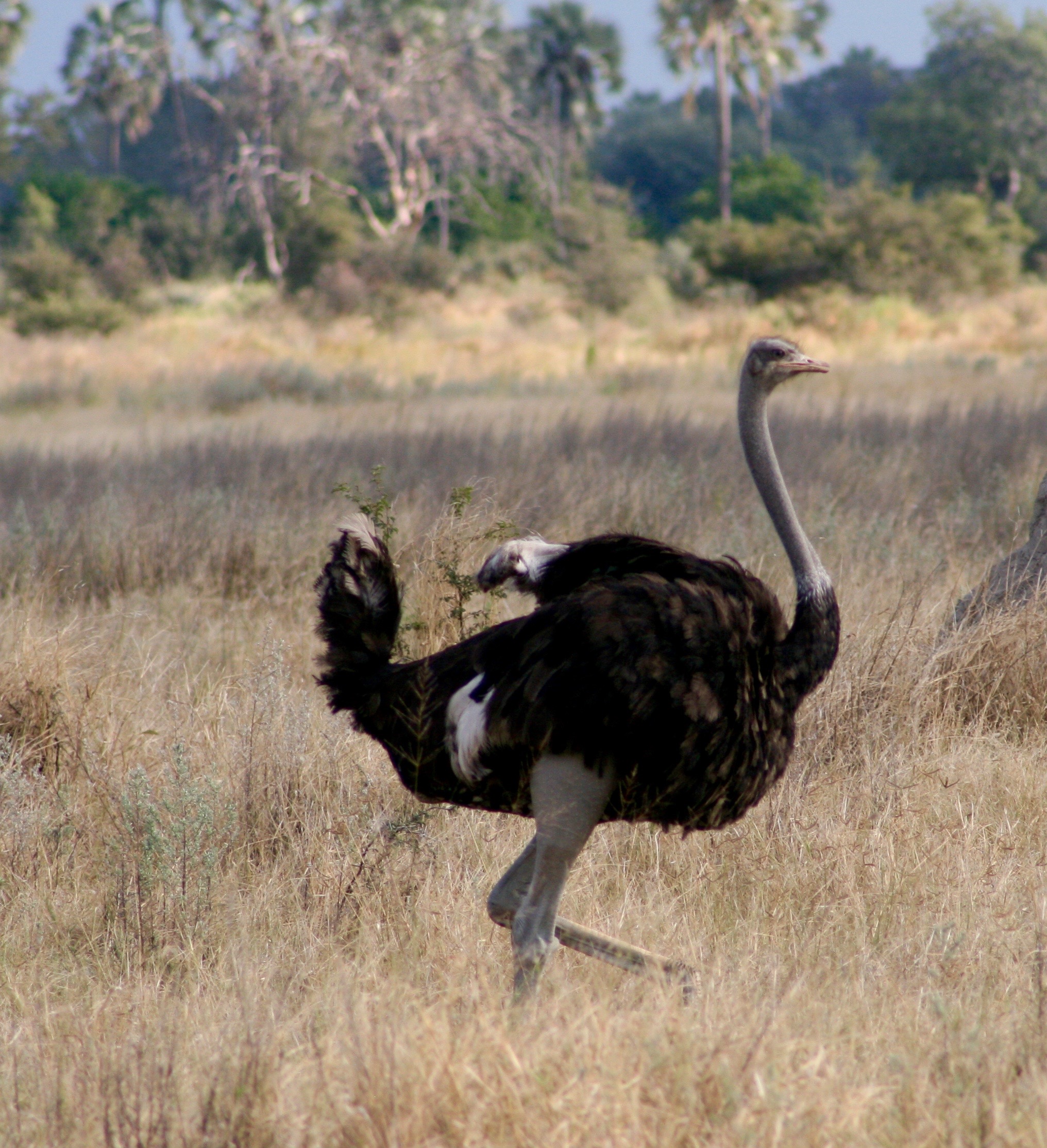
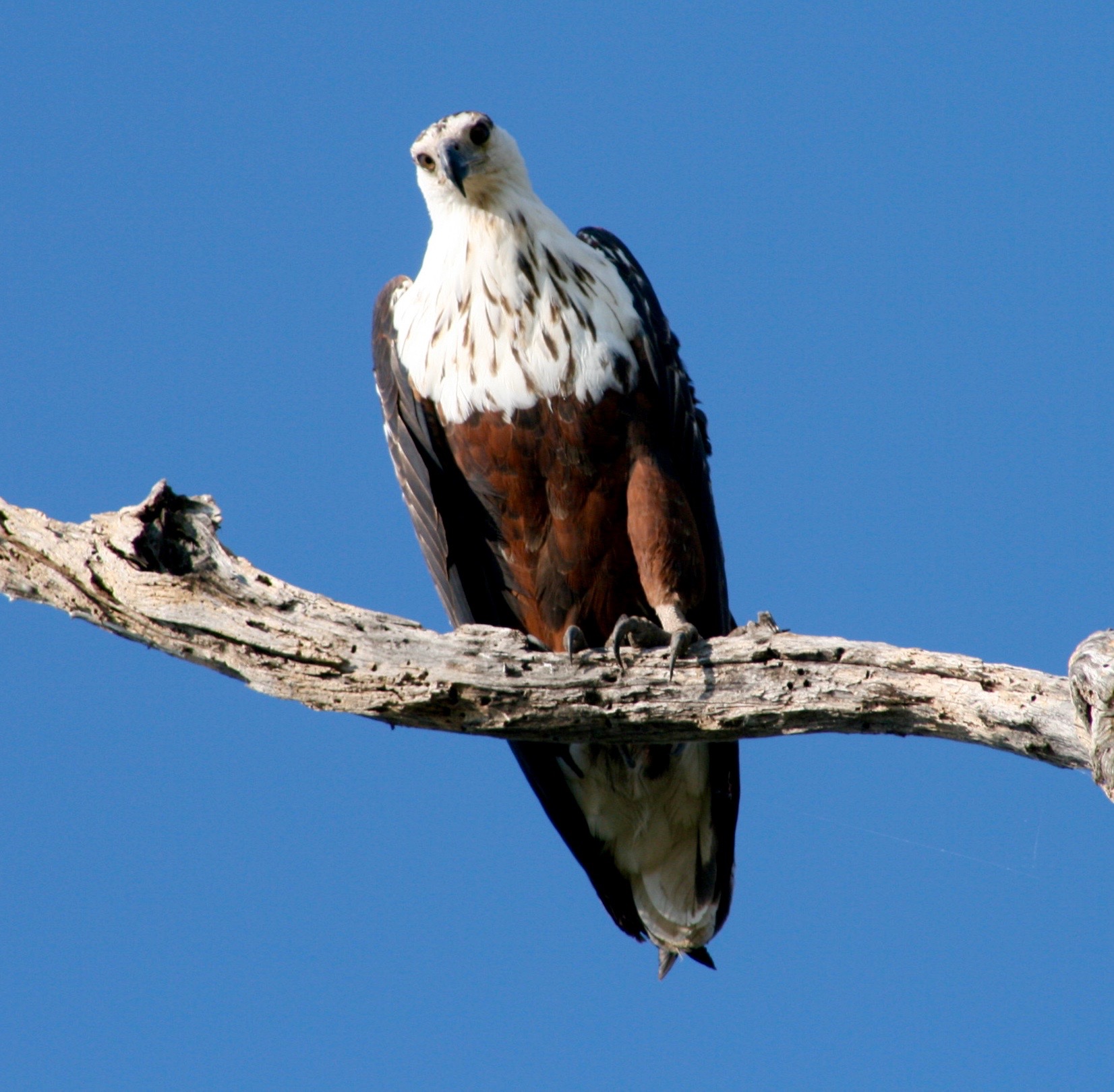
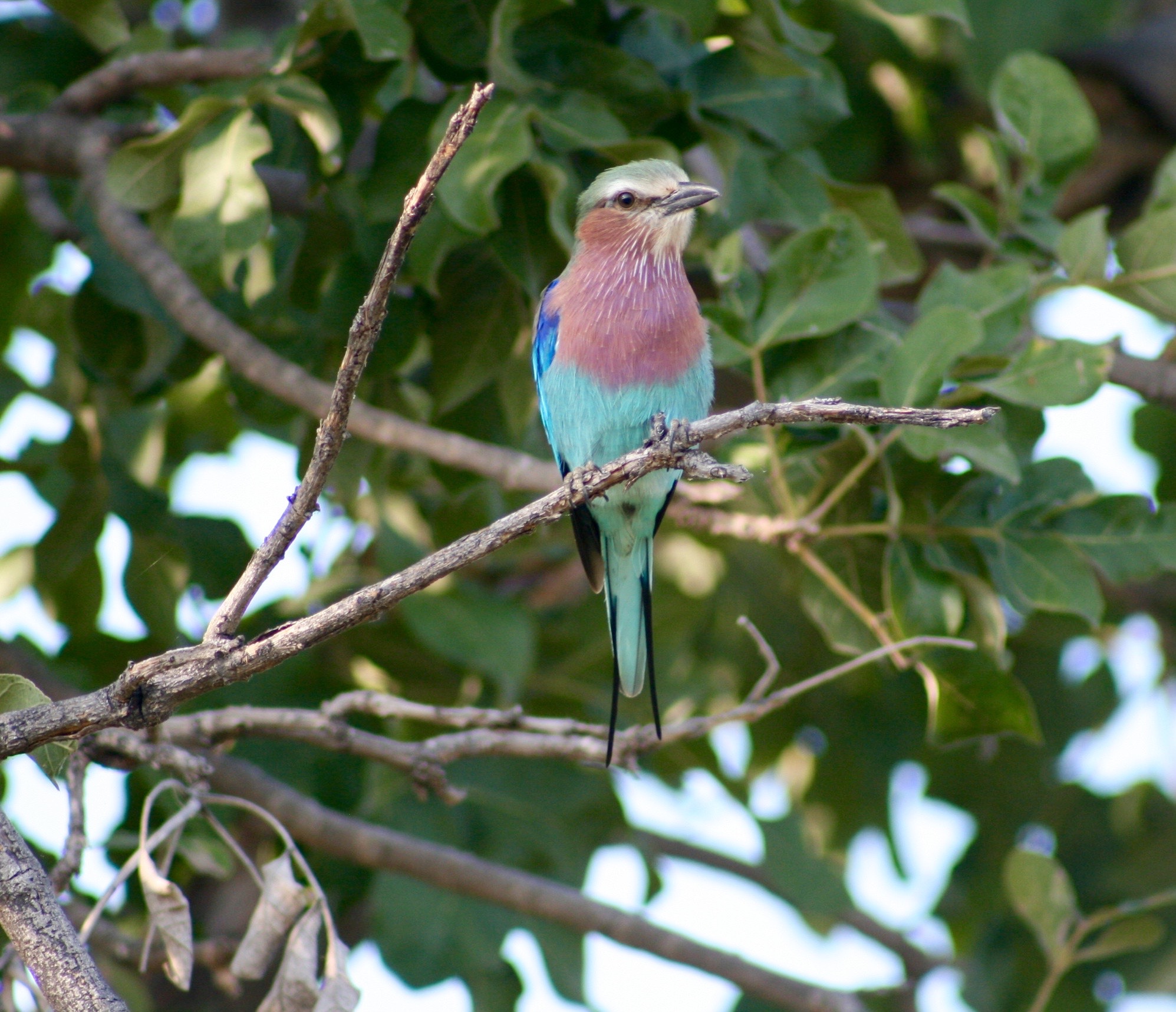
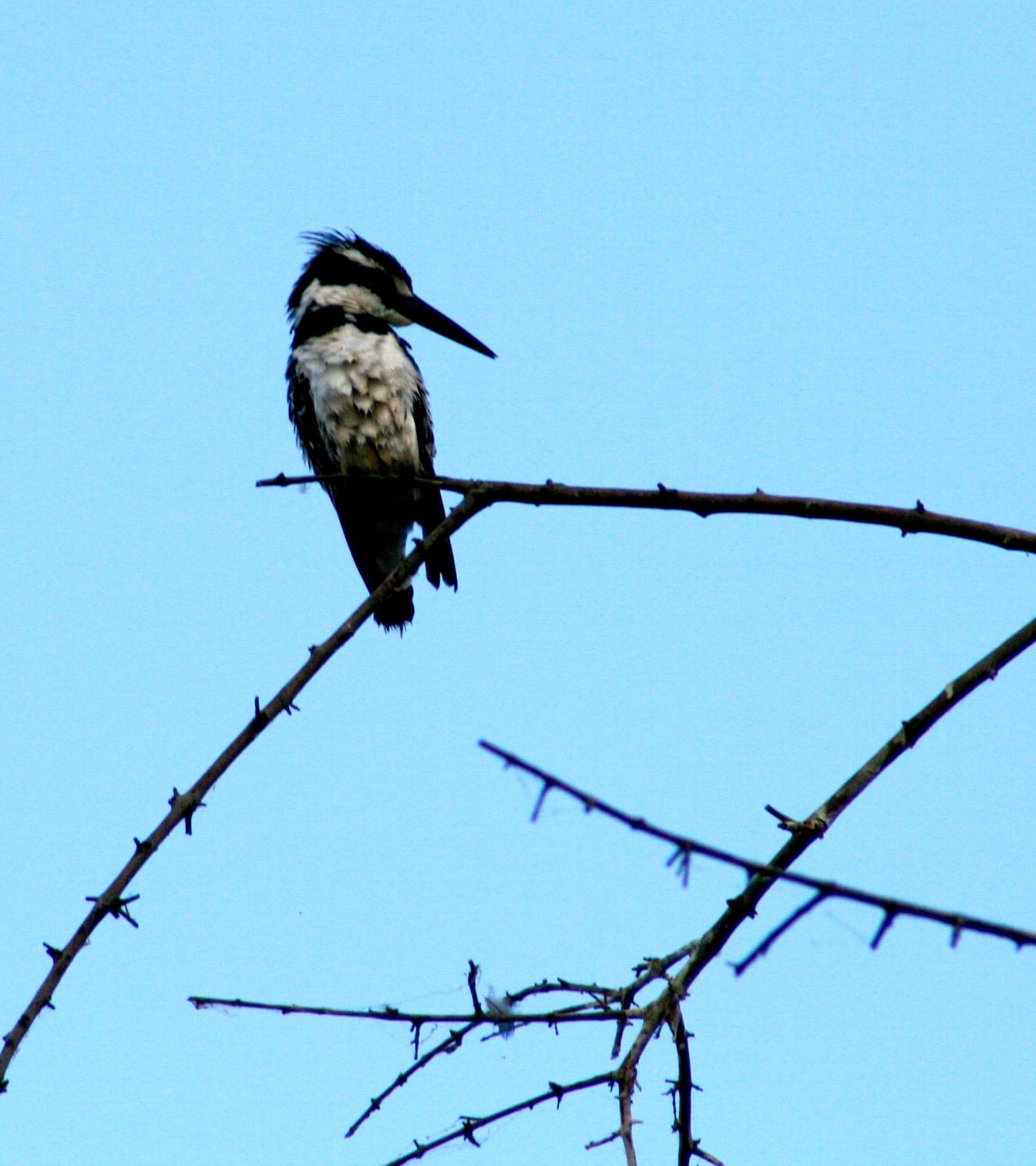
Cameras have come a long way since I took these photographs. I am amazed at how much better the quality of my photographs are with my new camera. But….I am infinitely grateful that the day before I left on my trip to Africa I purchased a new Canon and a telescopic lens specifically for this trip. I was reading the instructions on the flight over and literally learning on the “fly”. The telescopic lens tried valiantly to give me the close-ups I wanted, but the vastness of the African continent, the sheer size of it all, can dwarf an elephant and effectively hide a giraffe in plain view.
But here are a few of the birds I was lucky enough to see and capture on film even before I knew I was going to be a birdwatcher.






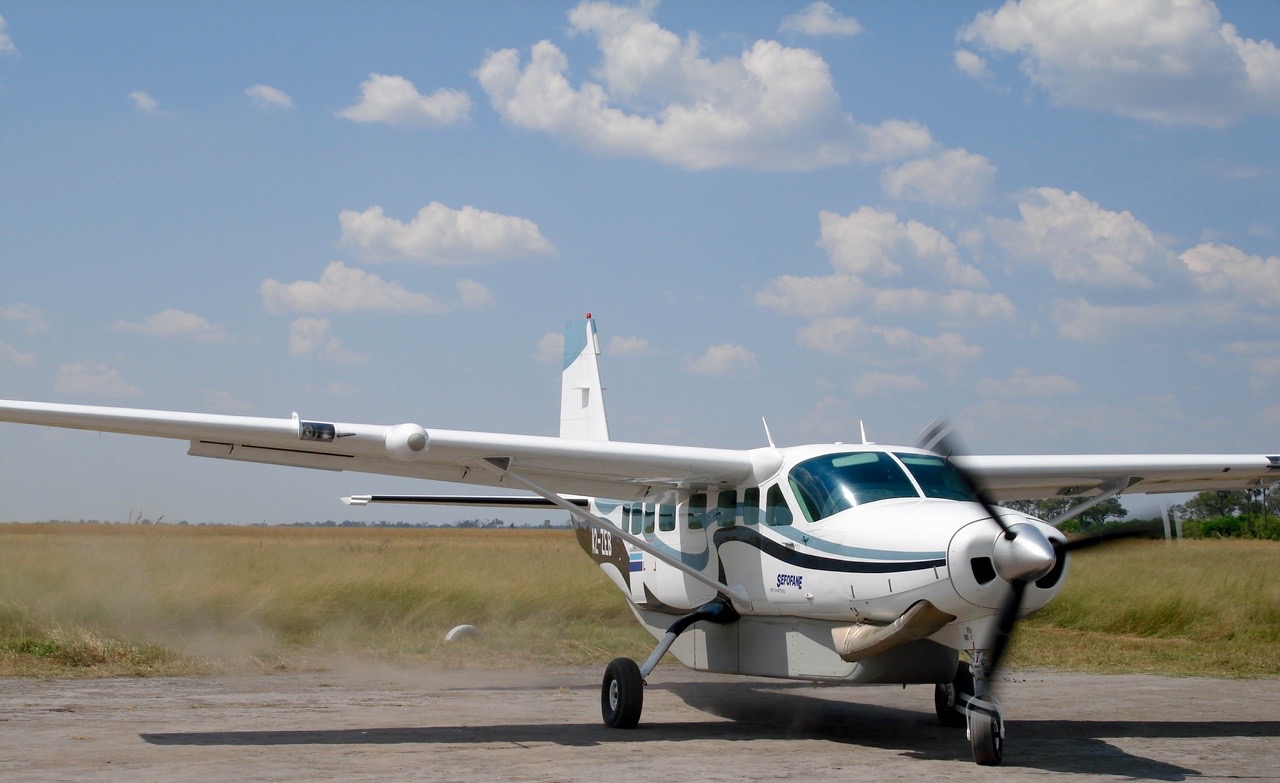
And the bird with which we spent most time interacting, was a very light wing bush puddle jumper that served us well throughout our entire adventure. Flying was never so much fun and being up in the air yet close to the earth, we had a bird’s-eye view of everything and it was magnificent.
Africa must be seen to be believed. I will be forever grateful that I had the opportunity to visit this continent and to observe nature at its finest! Happy bird searching!!!
In 2008, I took a trip to Africa and my view on zoos forever changed.
Many years ago I went through the training at the Houston Zoo to become a docent. It was quite extensive with each of us receiving instruction from all of the different directors of various areas within the zoo. Lectures on mammals, birds and reptiles were designed to arm us with as much information as possible so we could provide educational programs to schools throughout the Houston area.
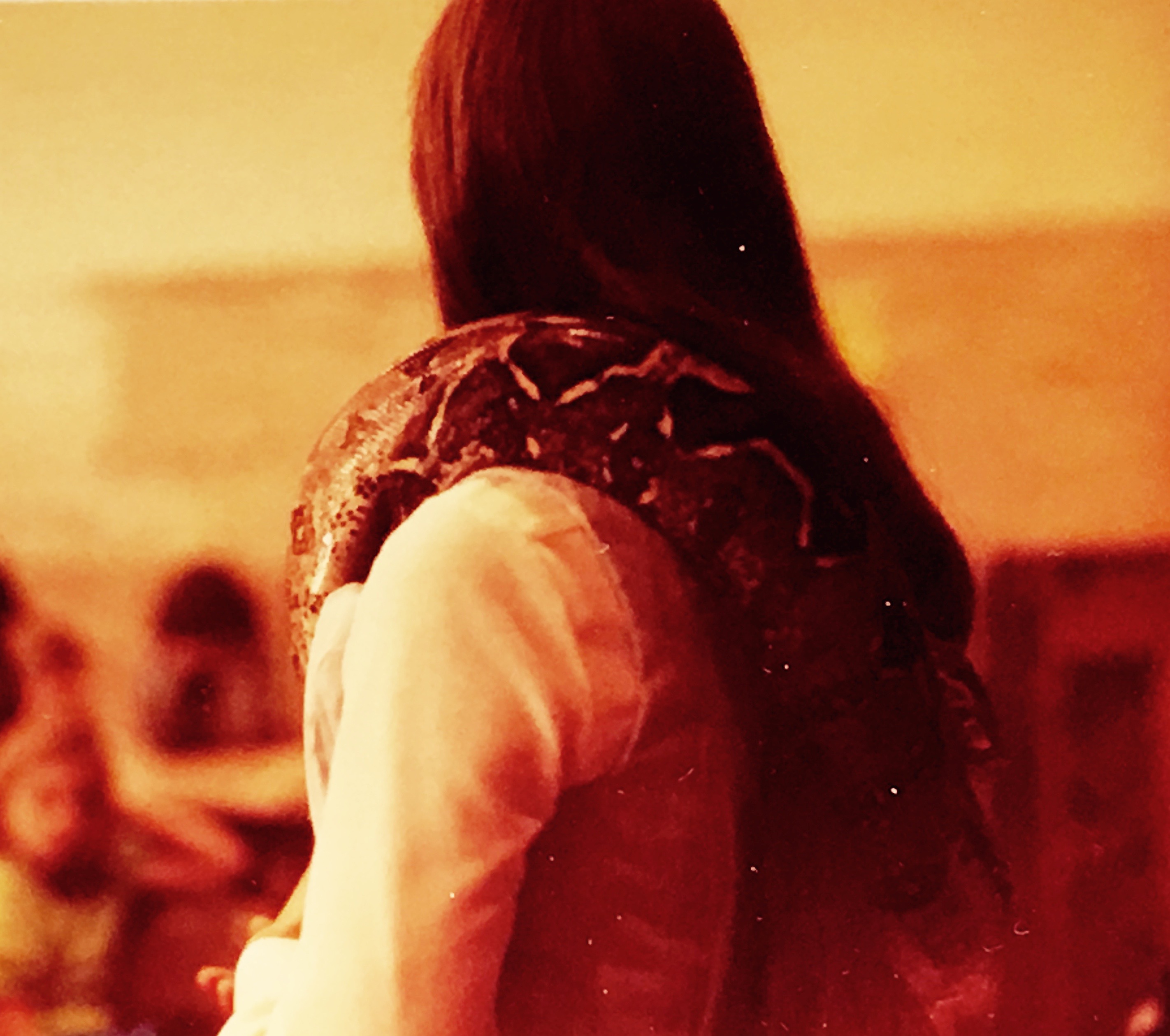
I had some trepidations about the handling of reptiles since snakes were never right up there on my list of favorite creatures, but time would prove to me that of all the animals and reptiles we took in the zoomobile, the snakes were the only ones that didn’t try to bite me! Prairie dogs have very sharp teeth as do ferrets, baby lambs would knock me down in their excitement to get to the bottle of milk I had for them and hedge hogs were prickly. The snakes were cool, smooth and dry and they were quite content to wind around my hand or arm with absolutely no thought of biting me.

I recognize the valuable role zoos across our planet play in promoting education and in some instances preserving a species from extinction. One of their greatest benefits is providing people with the opportunity to see a species that they might not otherwise be able to see. But once I viewed the animals indigenous to the African continent in their vast homeland, I lost a lot of the pleasure I once derived from visiting different zoos in each city I visited. I’ve seen good ones, bad ones and struggling ones doing the best they can with limited resources and I just can’t get past the fact that as nice as a zoo might be, they all still lack the natural environment and sheer space that promotes good health and well-being in an animal.

I acknowledge the benefits of zoos and as recently as last year visited the San Diego Zoo, considered one of the best in our nation. Here I was able to spend much time watching one of my favorite birds…The American Flamingo. I may never see one in the wild, so I greatly appreciated the opportunity to be up close and personal with these magnificent birds. There is a video that a friend recently shared with me that shows these great birds performing their mass courtship display where hundreds of them move together in what appears to be a coordinated dance of sorts. Check it out at science spirituelle -Projet Lumiere, the dance of the pink flamingos. A group of flamingos is called a “flamboyance” which I think is the perfect word to describe their brilliance.

I can still enjoy a visit to one of the great zoos, but now I find myself comparing the animals there with the ones I was fortunate enough to witness in the African bush. No animal should be caged. So I am always transported back to that magical two weeks spent inhaling the sights and sounds of a place that every human being should visit at least once in their lifetime if at all possible. Save your pennies now and I promise you will never regret the African adventure.
Happy bird searching and “bushwhacking”!!!

This past weekend I traveled to Burton,Texas to visit my sister. We had a lovely weekend doing sisterly things together and as usual I superimposed on my loved one my birdwatching passion. And my passionate flame was fanned by the revelation from one of her neighbors that they had spotted a Pileated Woodpecker hammering away at a dead pecan tree in their back yard.
The only time I have seen one of these birds was courtesy of the Cornell Live Bird Cam in Ithaca New York. I keep one of the live bird cams open as my screen saver while I am working because it gives me a window to the outside world. The day he popped into view I almost fell out of my chair. He was one of the most beautiful birds I had ever seen and I found myself salivating with the desire to see one in person. Pileated Woodpeckers are the largest woodpecker in North America. Approximately 17-20 inches in length and with a wingspan of almost 30 inches, they are quite impressive to behold.
Then more recently, a friend of mine who is wintering in Alabama emailed me the news that she had spotted one in their area. So I was encouraged to know that when I visit her this coming April, I might be able to catch a glimpse of her Pileated Woodpecker.
So I was delighted to know that there was one living in Burton. My sister told me she had seen him many times during the summer when he was visiting her pear tree to help himself to its bounty. She didn’t realize how special he was to me. So I spent a large portion of Saturday scouting for this bird. I was successful only because he flew to a telephone pole across the street and began his clattering again. The neighbor managed to capture him on a cell phone camera but I was too late with my camera to capitalize on his appearance. But in the birding world, a visual sighting or being able to recognize a bird by its call counts. Do I want my own photo of this beautiful bird? Most definitely, so the game is still afoot.
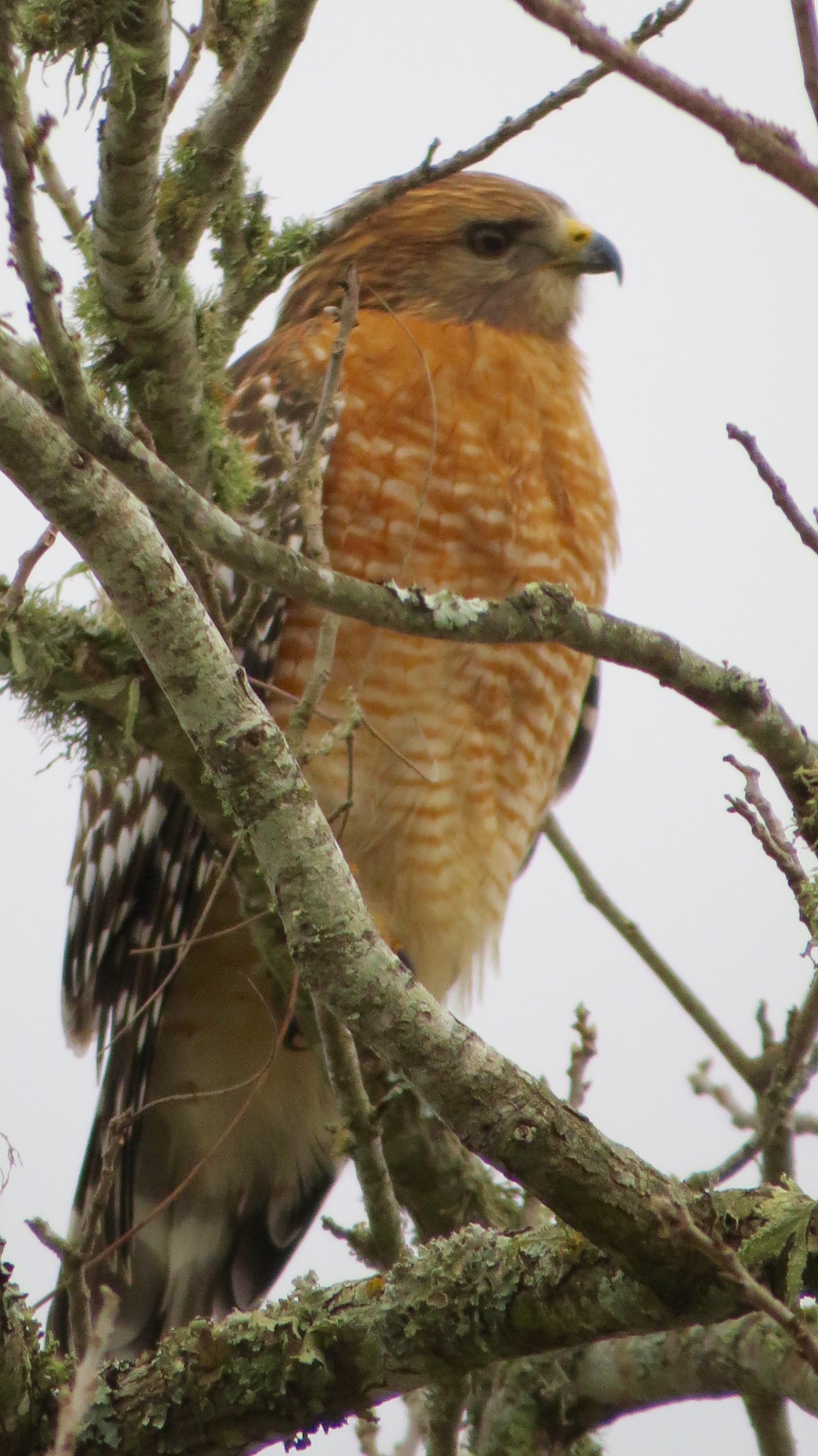
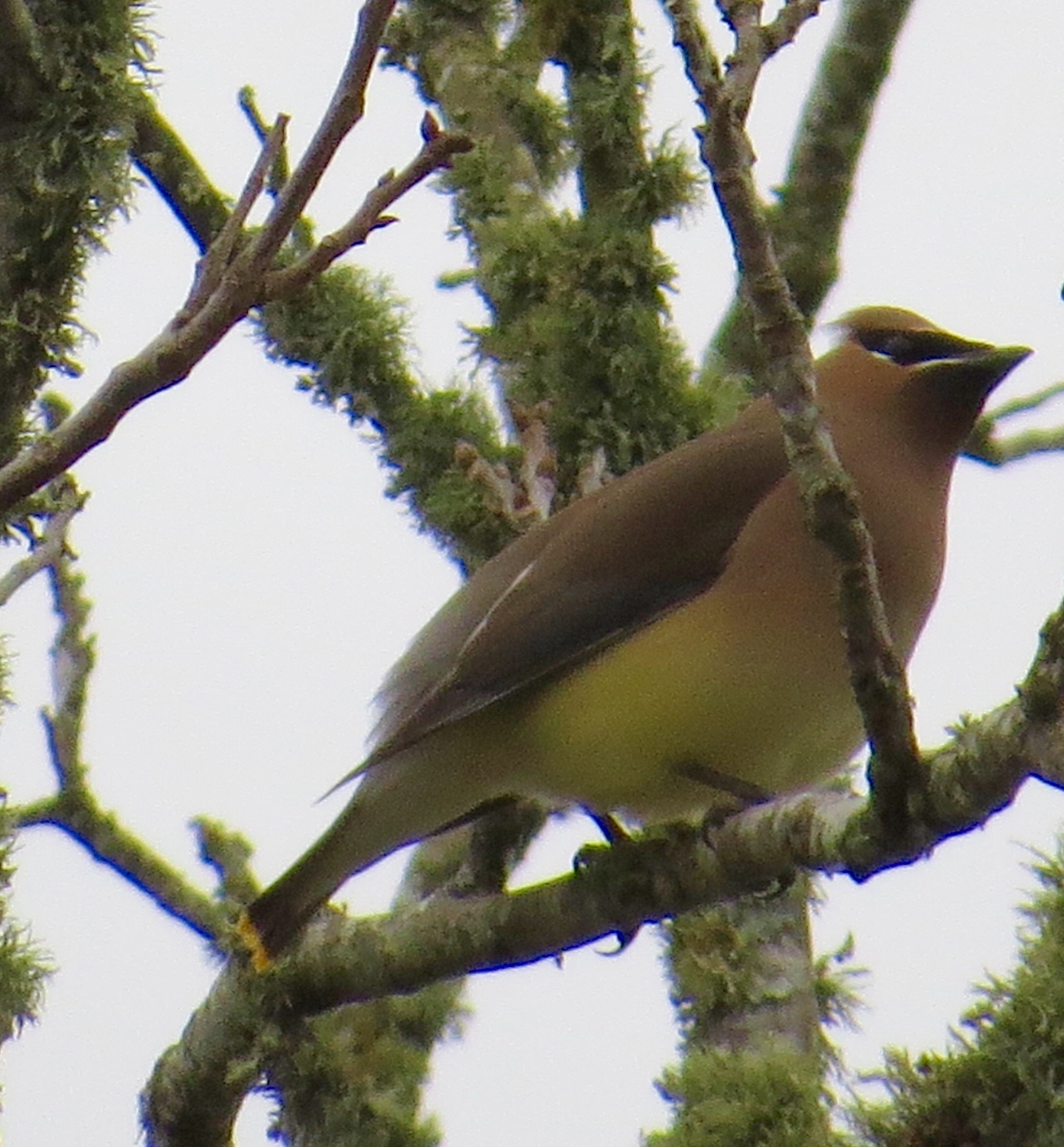
Walking a few blocks around town I spied other species. Starlings, white wing doves, cardinals, blue jays, mockingbirds, red bellied woodpeckers, a ladderback female woodpecker, black vultures perching on the town’s water tower and the cedar waxwings had arrived and descended to begin their strip-mining operation of any berries in the area. A Red Shouldered Hawk sat high in a tree just behind my sister’s house. We later spotted him sitting on a neighbor’s fence with a squirrel running around on the ground perilously close.

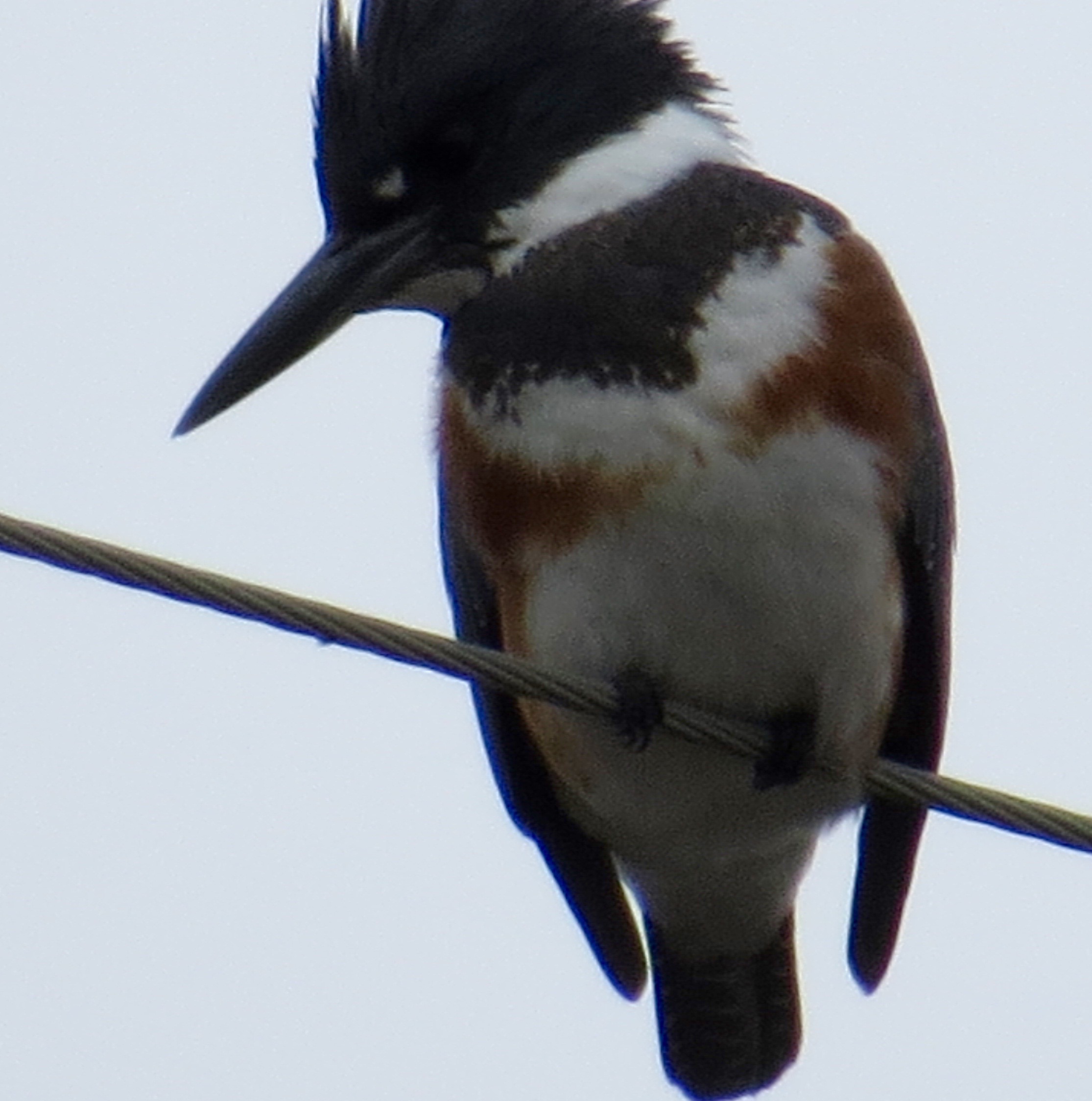
On Saturday morning we drove to Lake Somerville to see what birds we could find. I love the countryside during the winter months. The trees are stripped bare of their leaves and the tree branches are much like skeleton arms and fingers reaching for the sky. We were rewarded for our efforts when we came upon a large squadron of American White Pelicans, a Belted Kingfisher, Mallard Ducks, American Coots, Great Egrets, and a Black Crowned Night Heron lurking in a marshy area created by recent rains which caused the lake to move beyond its boundaries and invade surrounding forest.


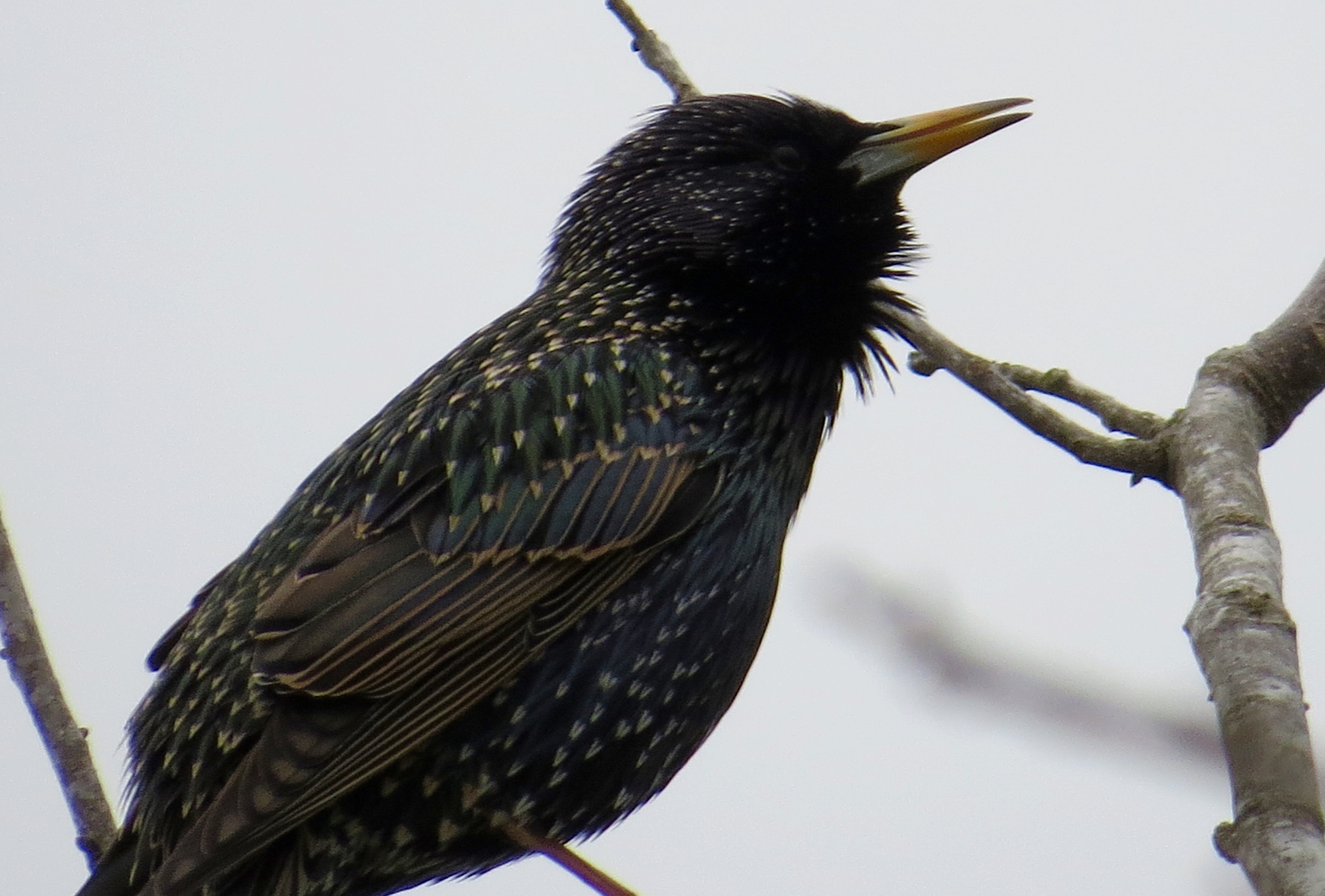

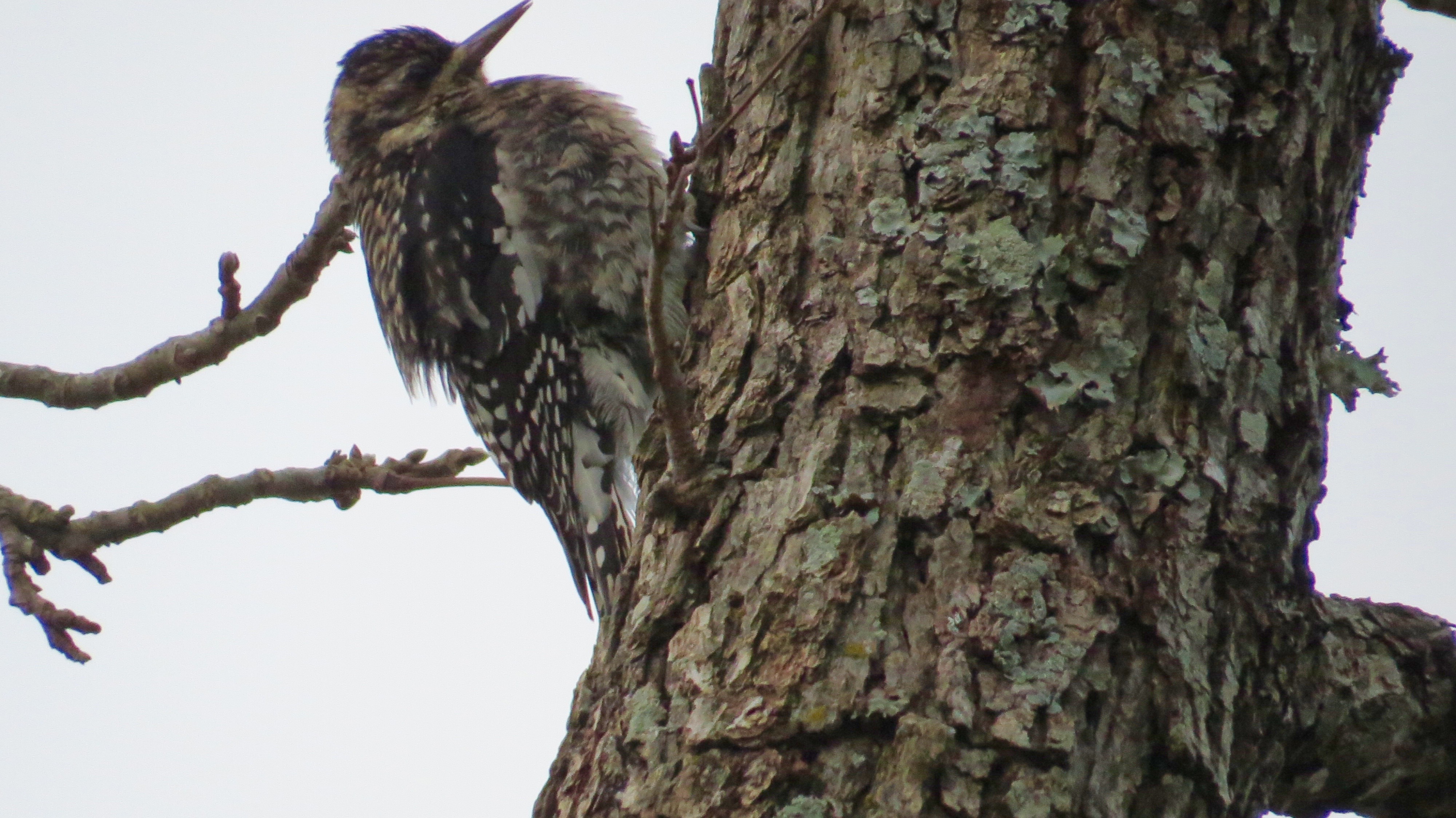
So once again, I am reminded that birds are everywhere. And if you want more in your own backyard it is as easy as providing food and water for them and they in turn will reward you with much entertainment. So as the saying goes….”Build it and they will come!”
Happy bird searching!!!
Talk about a beak! Now this bird has a huge beak and its name gives us a hint as to its shape. Roseate Spoonbills are one of my favorite shorebirds and one that I seek each time I travel to beaches on the Gulf Coast. Their bills are “spoon” shaped, quite large and always makes me wonder how they ever manage to get food into the mouths of their young. But they do.

Spoonbills are easily identified not only by their bright pink and white colors but by their distinctive bill shape. The shape of their bills gives us a clue about how they feed. Like storks, they wade through the water swishing their beaks back and forth seeking minnows, small fish, crustaceans and plant life.
Spoonbill feet also give us valuable information about how they spend the majority of their time.

Their feet are adapted to enable them to wade in muddy waters where they spend a lot of time hunting for their food. They have three toes pointing forward and one pointed back and they are attached to semi-long legs. Think feet designed to support their weight so they don’t sink….. much like snowshoes distribute the weight of a human walking over snow.
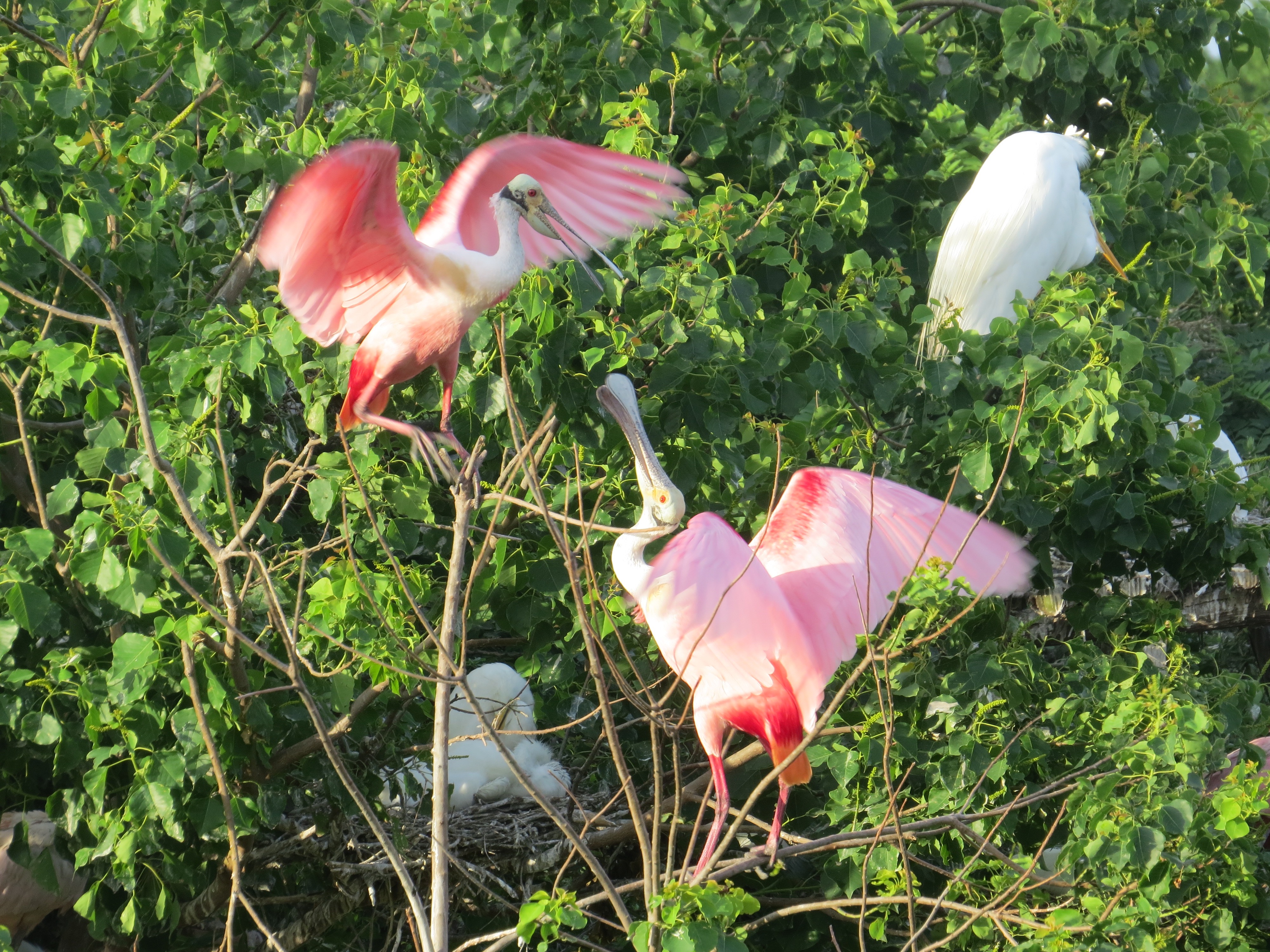
One of my favorite times to observe these birds is in March and April at the Rookery in High Island. They join with other herons and egrets to build nests, lay their eggs and raise their young. I highly recommend a trip if you want to have an up close and personal view of these beautiful birds.
Happy bird searching!!!

For many years I worked twelve-hour shifts at a hospital in Houston. 7A-7P makes for a very long day. If I was working back-to-back shifts, I would often spend the night with my sister in Houston, repeat the twelve-hour shift the next day before heading home on 290 West to Brenham. With daylight saving time, that hour drive home went from being a burden to a pleasurable drive into a beautiful sunset painting. As I drove the colors changed as the sun sank lower and lower. It was a constantly changing panorama of different hues of yellow, shades of oranges, washes of blues and brilliant flaming reds. Those sunsets made each of those drives seem like a drive into an art gallery.
My sister has had a small home in the country for many years. I have had the pleasure of 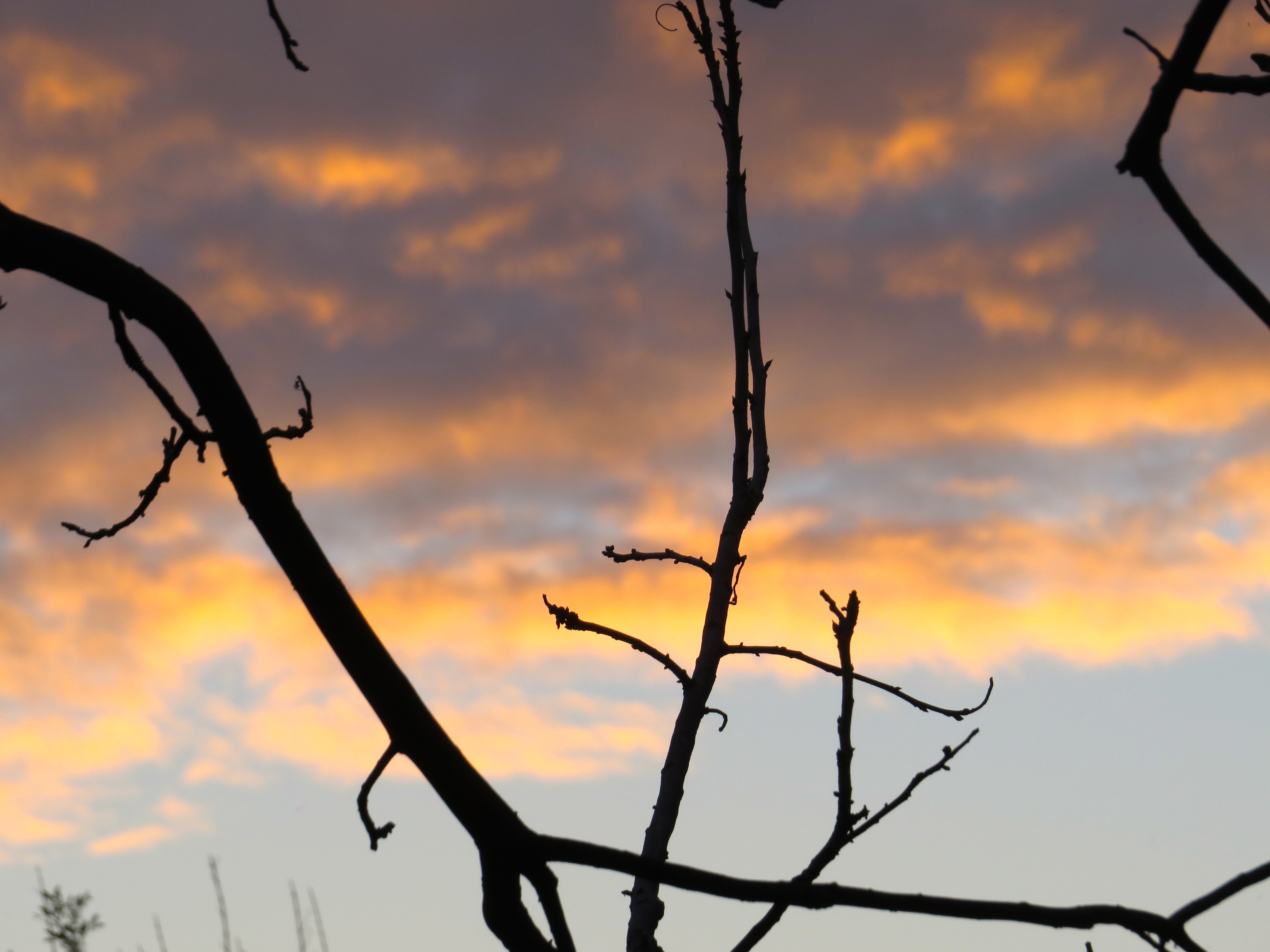 enjoying many sunsets from the porch of her farmhouse. It is peaceful sitting on that porch and listening to the sounds of the night beginning to appear as the sun falls to the horizon bathing the trees and pond in its waning light. A Great Blue Heron that lives on her pond goes to roost.
The beauty of ocean sunsets always leaves me breathless. The ocean restores my body and soul and I can actually feel this giant peacefulness settle over me while sitting on the beach watching the sunset. The brown pelicans are making their final beach patrol and I know that while I sleep the ocean waves will be busy all night long bringing new treasures to the beach.

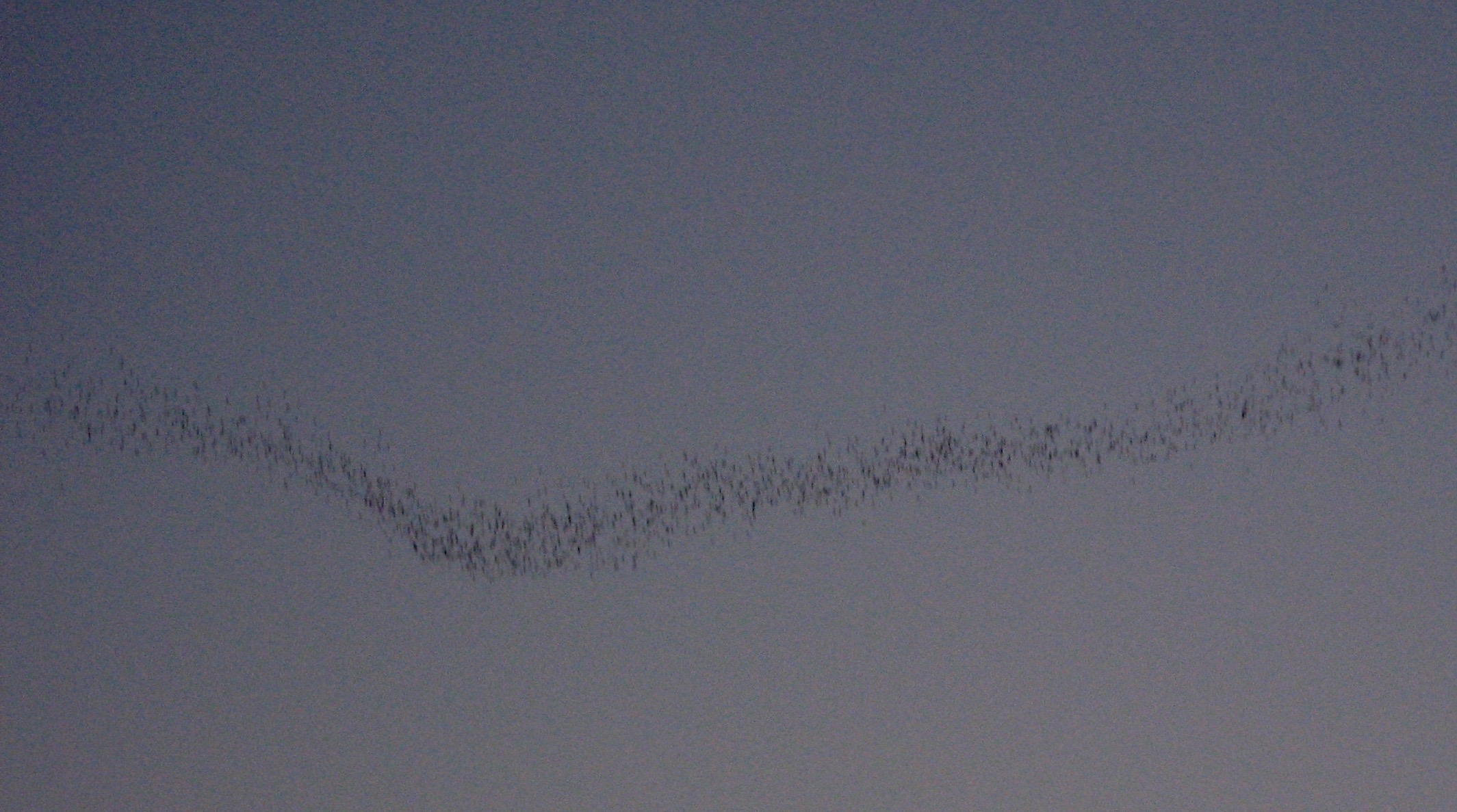
When I moved to Austin ten years ago, it was very important for me to be near the water. Austin has many bodies of water and after much searching I found my perfect nest. Each night during the summer months, as the sun begins to set, the blazing sunsets can be spectacular. As dusk begins to settle firmly over the landscape, the bats begin leaving their daytime roost from under the Congress Street bridge heading east in their nightly scavenge for the millions of insects that make up their diet. It looks like a giant black ribbon that has been threaded across the sky. Thousands of people each year flock to the Congress Street Bridge at sunset to watch this phenomena. And it is spectacular.
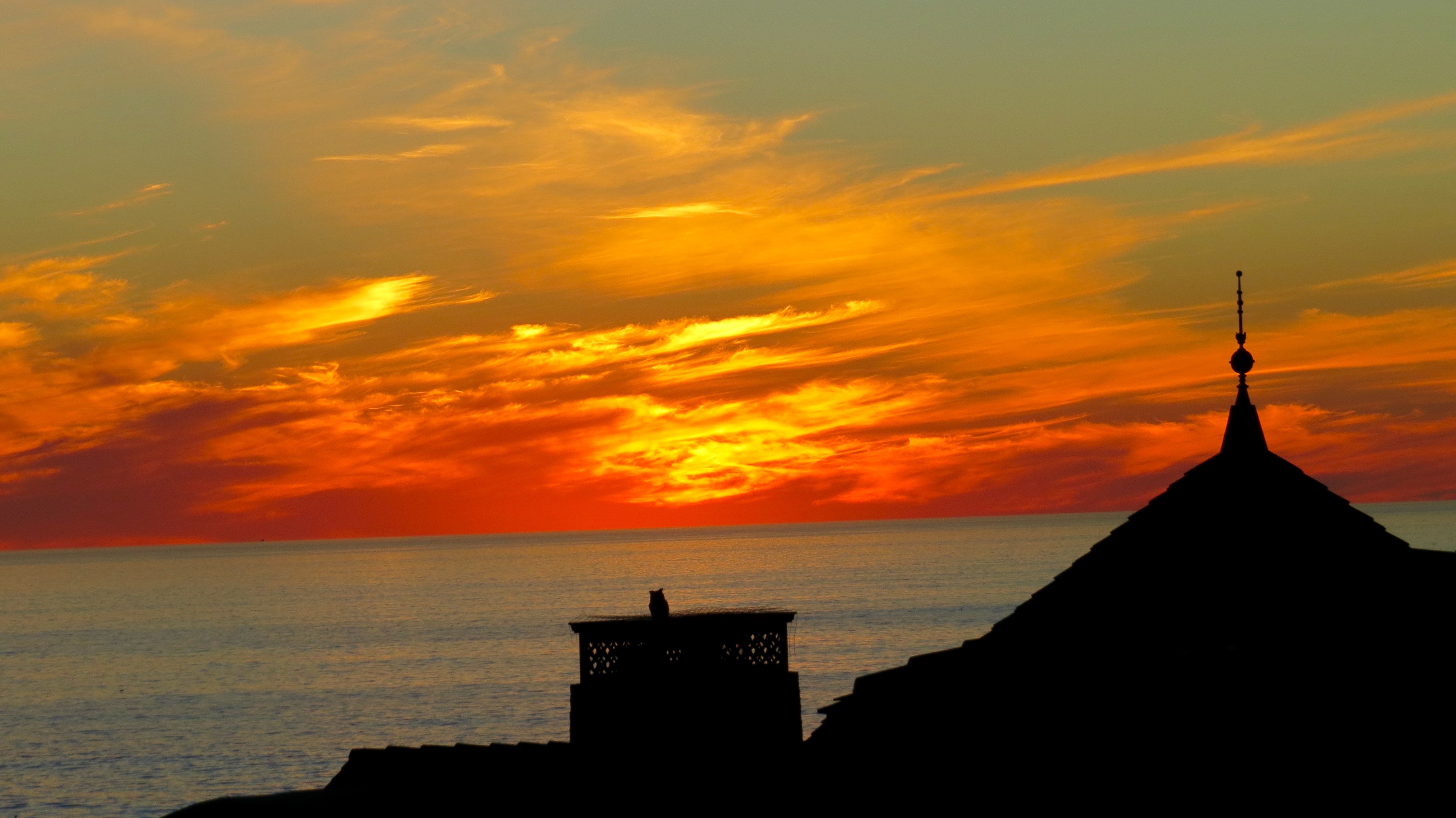
Another interesting sunset “happening” that I have yet to experience occurs looking out over the ocean in La Jolla California. Each night we would watch the sun drift lower and lower to the horizon in the hopes that we would witness the “green flash”. “The green flash is viewable because refraction bends the light of the sun. The atmosphere acts as a weak prism, which separates light into various colors. When the sun’s disk is fully visible above the horizon, the different colors of light rays overlap to an extent where each individual color can’t be seen by the naked eye.” (http://www.livescience.com/26376-green-flash.html). Each trip I make to California finds me hopeful that one day, while viewing a magnificent sunset over the Pacific Ocean, I will witness the “green flash”. Someday.
And then there are the sunsets of our lives. I am certainly approaching or have already arrived at the sunset portion of my life. Looking back, I realize that there are many chapters that have led to my sunset years. Infancy, Childhood, Puberty, Young Adult, Middle Age, and Senior. There are certain tell-tell signs that let us know when we are approaching our sunset chapter. The one that jumped out at me a few years ago was when I lived on a farm. I was walking from the barn to the house and I stumbled, went down on one knee, but jumped back up very quickly. My daughter who was walking with me grabbed my arm and asked if I was OK. At that moment the thought that crossed my mind was “She thinks I am old” With that moment I realized that getting older happens so gradually that we are unaware of its creeping presence. So, your children beginning to worry about you, the over 55 discounts and advertisements that begin showing up in our mailboxes, the loss of muscle strength or body flexibility are just a few of the obvious sign posts that herald the arrival of the sunset portion of our lives.
I may be in those sunset years, but in my brain I am still existing in those chapters that traverse my twenties and thirties! So until I ride into my final sunset I plan on just enjoying every minute and living life to the fullest.
Happy bird searching!!! And sunset gathering!!!
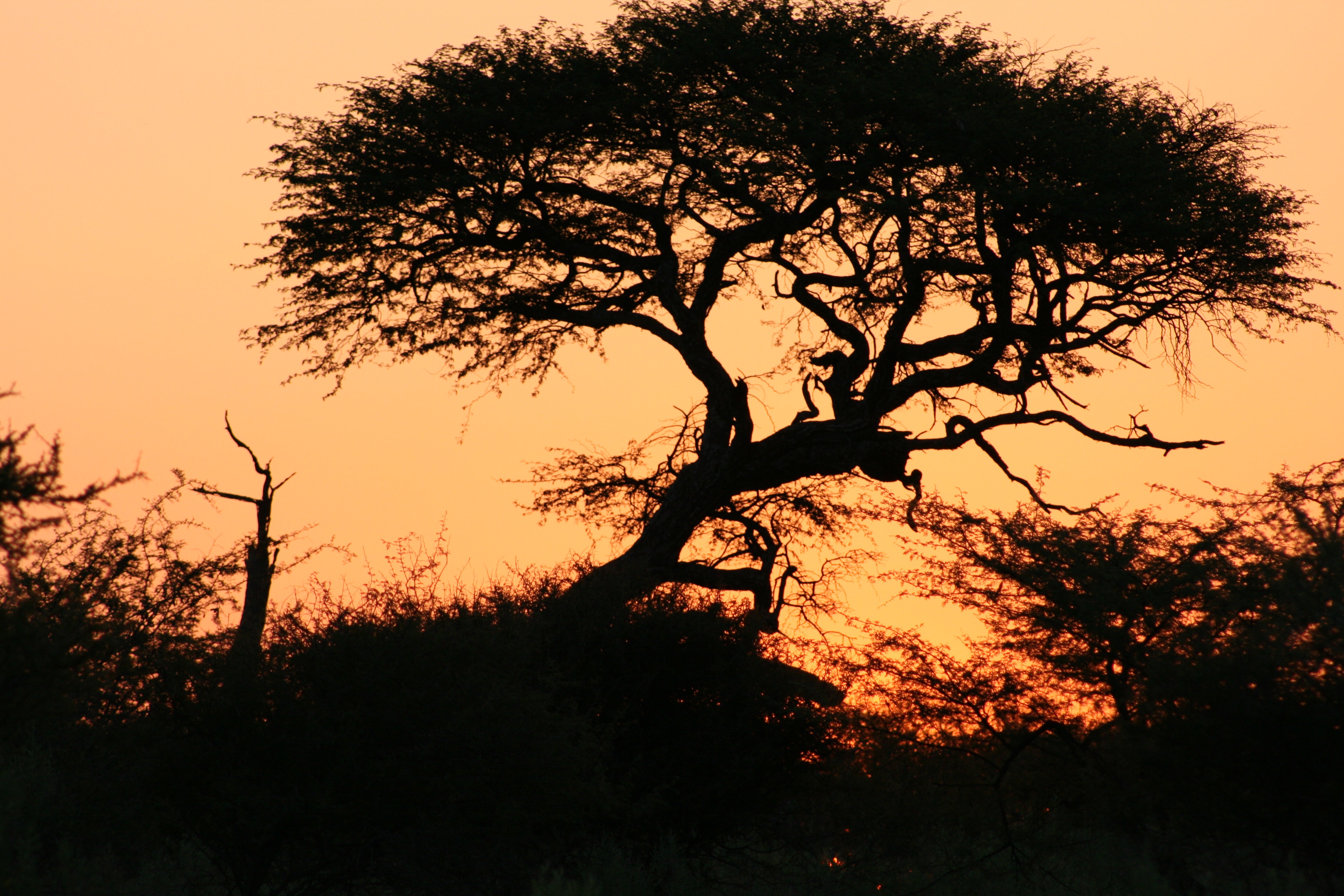
A lifetime of sunsets. So many of them beautiful, some captured on film, others burned into my brain hard drive and still others unremarkable, but like the sun coming up each day, we know and expect that it will set as well. A never-ending cycle of life. The life of a day. Sunsets speak. Slow down. Rest. Be still. This day is finished.
One memorable shared sunset happened in Africa. My sister, daughter and oldest granddaughter and I had traveled into the bush to four different camps for the opportunity to view some of our planets most majestic mammals and birds in their native environment. An extraordinary trip, one which changed me forever.

Each morning we would rise before sunup, dress and wait for our guides to come fetch us from our tent. Camp rules stated that we could not leave our tents once we were deposited there the night before unless we were accompanied by staff. And believe me, in Africa when nighttime visitors may include elephants or great cats, one stays put and follows the rules. In Africa people are prey, not predators. We ate a light breakfast around a campfire and then climbed into our range rover to begin our morning of bouncing about in the bush in pursuit of native wildlife to capture with our eyes and cameras. I wasn’t “officially” a bird watcher then, but my camera captured many birds that I have since added to my Life List.
Mid-morning we stopped for “tea” and then went again until around Noon when we returned to our campsite for a huge brunch followed by about two or three hours of free time before we started out once more in our vehicle. Right before sundown, our guides would pull our jeep to a halt, pull down the back tailgate and begin preparing our evening cocktail of choice as they passed hors d’oeuvres. This happened each night while in the bush and each night we sat and watched the sun set on one of the most fascinating continents on our planet. No time in the jeep was ever wasted for even as we returned to our camp after sundown, our guide would be scanning the land on either side with a huge infrared light trying to give us a glimpse of those animals who are nocturnal and only move at night.

One of our days came to an end when we were in a small boat skimming over the waters of the Okavango Delta. Our guide simply stopped the boat, took out the necessary equipment to give us our nightly “cocktail hour” as we watched the sun sink below the horizon.

I fully intended this piece to be about different sunsets in my life….from my balcony overlooking Lady Bird Lake or from my car as I began my long drive home from Houston to Brenham after my 12 hour shift at the hospital. But my memories took me first to Africa sunsets and the many beautiful creatures that live in such peace in their vast homeland. So, another day, another post for those other memorable sunsets.
I’ll finish this piece with some thoughts that I wrote immediately after my return from Africa. My view of life, the sheer majesty of it all, was forever changed as I mentioned earlier.
Written in May 2008 – “Upon my return from Africa, many friends/family have asked me to “tell” them about the experience. I am frustrated by my inadequacies in describing this adventure and the incredible vastness and beauty of this continent. So, here is my first fragmented attempt to relate how my trip there has impacted my life.
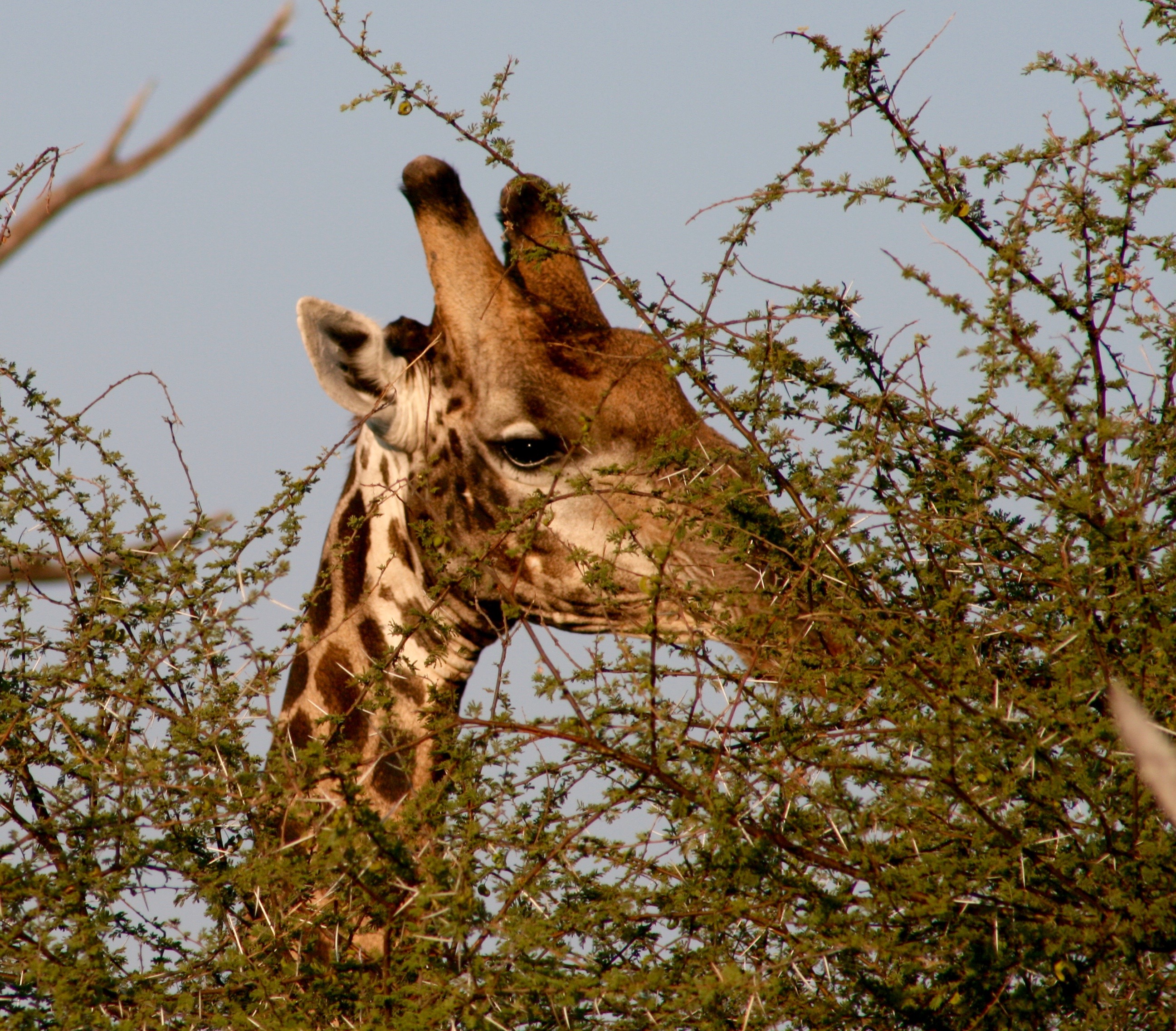
The scents of sage, wild basil, wild lavender, pretty lady, elephant dung, earth. The vastness of the countryside that swallows a huge elephant as if it were no bigger than a fly. How well the animals blend in and disappear into the grasses/trees, so rounding a bend in the road, a giraffe can be 100 yards away and remain invisible until someone cries out “giraffe!” and a large bull elephant bellows, flaps his ears, stomps his feet making himself look larger, with no clue of his greatness, to express his indignation for being surprised by our appearance.
Fruit bats crying in the night and the “rahoo” of the baboons up in the trees during the day. Having morning tea with two lions 100 meters away. Close encounters with eye to eye contact with the big cats… lions, leopards, cheetahs. The infinite patience of observing our guide Teko tracking a leopard for 45 minutes driving over bushes/shrubs and around trees to suddenly be face to face with a male leopard.
The large wealth of medicinal trees and shrubs within Africa. The incredible patience, knowledge and teaching skills of our guides who demonstrated such pride in their homeland. The graciousness of the people who cared for us so diligently, providing for our every need even when we had no idea of what that “need” was and protecting us from ourselves as well as the danger that lurked around every corner within and without our camps.

I sit here now in my apartment listening to the “sounds” of urban life…cars, freeway noise, and view the many lights of the city…the sights and sounds of humanity. I have returned to civilization. But I am afraid I have left my heart in Africa. A land that can change one’s view of just what is important in life. The sights/sounds/experiences/ vastness/ graciousness, sheer beauty of Africa are burned into my brain and soul. I want to return, to revisit and explore more. And, hopefully I will be able to do so in the not so distant future.”
Happy bird searching wherever you might be!!!!

Pelicans have always been of special interest to me. It might be because during my childhood, the pelicans were the birds that I most remembered seeing on our family day trips to Galveston. I have wonderful memories of those day trips. My Mother would rise early and begin frying chicken, making potato salad, bread and butter sandwiches and brownies to take with us for our picnic lunch. In the car my mouth was watering the entire trip from the enticing aromas drifting out of that basket.
Once we crossed the causeway bridge onto the island and made our way to the beach, my Father would rig a tarp from the side of our car to give us some shade from the intense sun. The ocean breezes cooled our skin making us unaware of the sunburn we were incurring. And I doubt seriously that we knew about sunblock in those days.
I spent much of my time chasing the little clams that washed onto shore and instantly buried themselves in the wet sand, splashing in the shallow waves and building sand castles. Those visits to the beach are some of my most precious memories.

As an adult, I still seek the beach on a regular basis to recharge my soul. And now, my beach combing passion has expanded to bird watching as well. There are many shorebirds that I enjoy watching but the Pelicans are part of my childhood memories so that makes them special. And as an adult I have now learned the differences between the Brown Pelicans and the American White Pelicans.
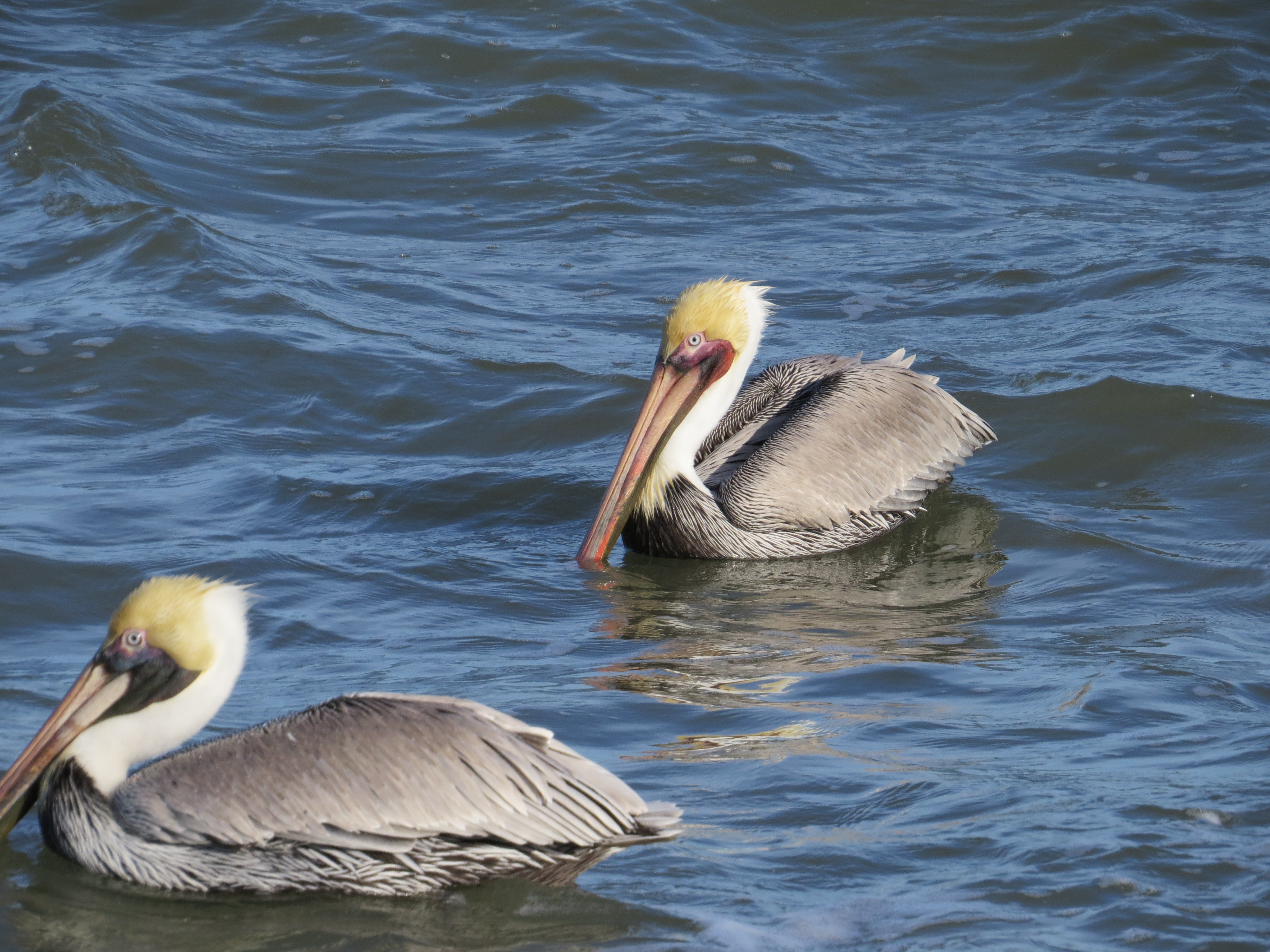
Brown Pelicans are plunge divers. They cruise low over the ocean and dive straight into the water when they spy a fish. They are frequently seen flying in a line over the beach and shoreline. When DDT was used as a herbicide, the run off into the ocean contributed greatly to their demise. Brown Pelicans use their feet to help incubate their eggs and the DDT caused the shells to be too thin and fragile which lead to them breaking before hatching . Their numbers dropped dramatically which placed brown pelicans on the endangered species list. Thankfully, when DDT was banned, they rebounded and are once again patrolling the skies on the Gulf Coast.
American White Pelicans work cooperatively with each other and while swimming on the water they “herd” the fish and then feed. They do not plunge dive. They are one of the largest sea birds and may weight as much as 30 pounds and have a wingspan of nine feet or more.

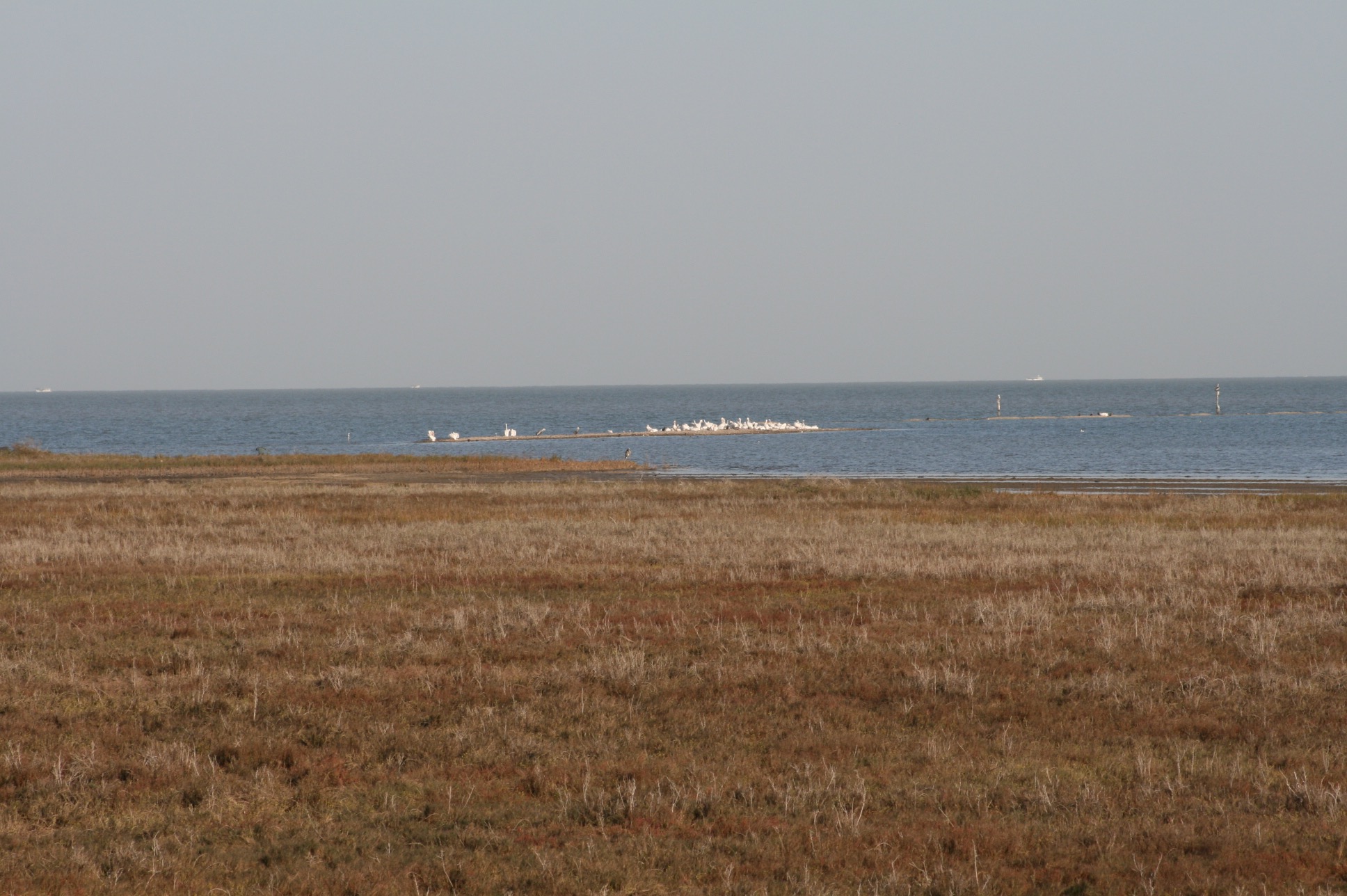
Aptly enough a group of pelicans is known as a squadron of pelicans. It definitely is a sight to see if in the Galveston area. The Brown Pelicans are always on beach patrol and the American White Pelicans fly in groups but are often seen bobbing together in the water or hanging out on a sand bar. Both are magnificent to behold.
Happy bird searching!!!
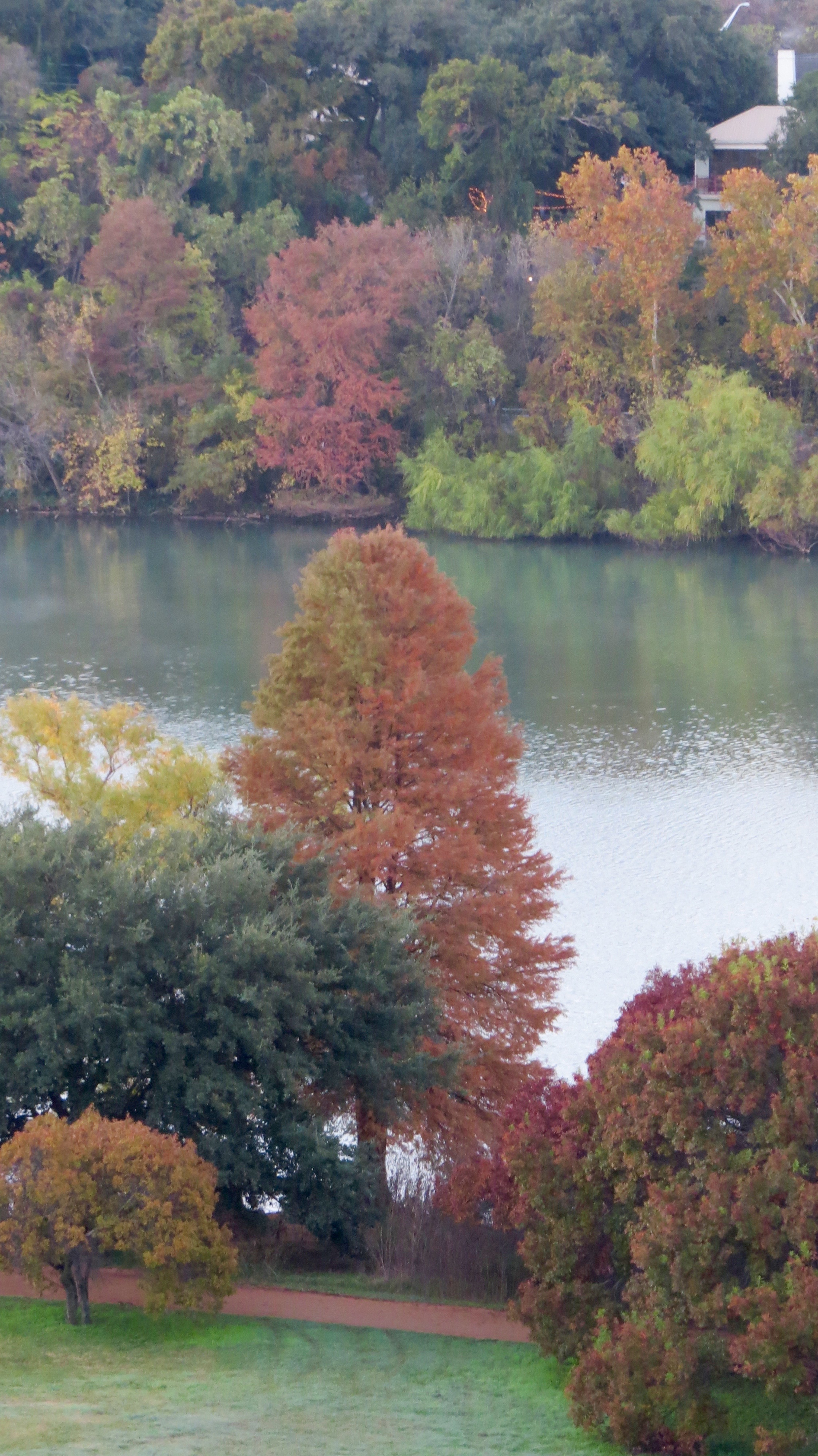
There are many year round residents that abide on the shores of Lady Bird Lake (AKA Town Lake) and then there are the seasonal visitors passing through on their migration journeys. It is always fun to use the spotting scope from my balcony to see just who is up and fishing early in the morning or trying to catch their supper before heading to the roost for the night. Many times a walk around the lake trails will yield closer views of some of the year round residents. I can always find some species that thrill me along the way.
The Lady Bird Lake shoreline is almost always bustling with people…hikers, bikers, fast walkers, joggers, families with children in strollers, or senior citizens taking their morning constitutional. People watching is a sport right up there with bird watching. But the birds interest me the most and I find it amazing that they can co-exist in an urban environment in such close proximity to humans. Here they successfully build nests hidden in reeds or leafy tree limbs, manage to raise their young to continue the new generations that will grow up on these shores and perhaps seek their own territory near where they were hatched or move on to a different area…seeking mates and ensuring survival of their specific species. So here are a few of the locals that I have captured while walking the trails and boardwalk. Enjoy!!!
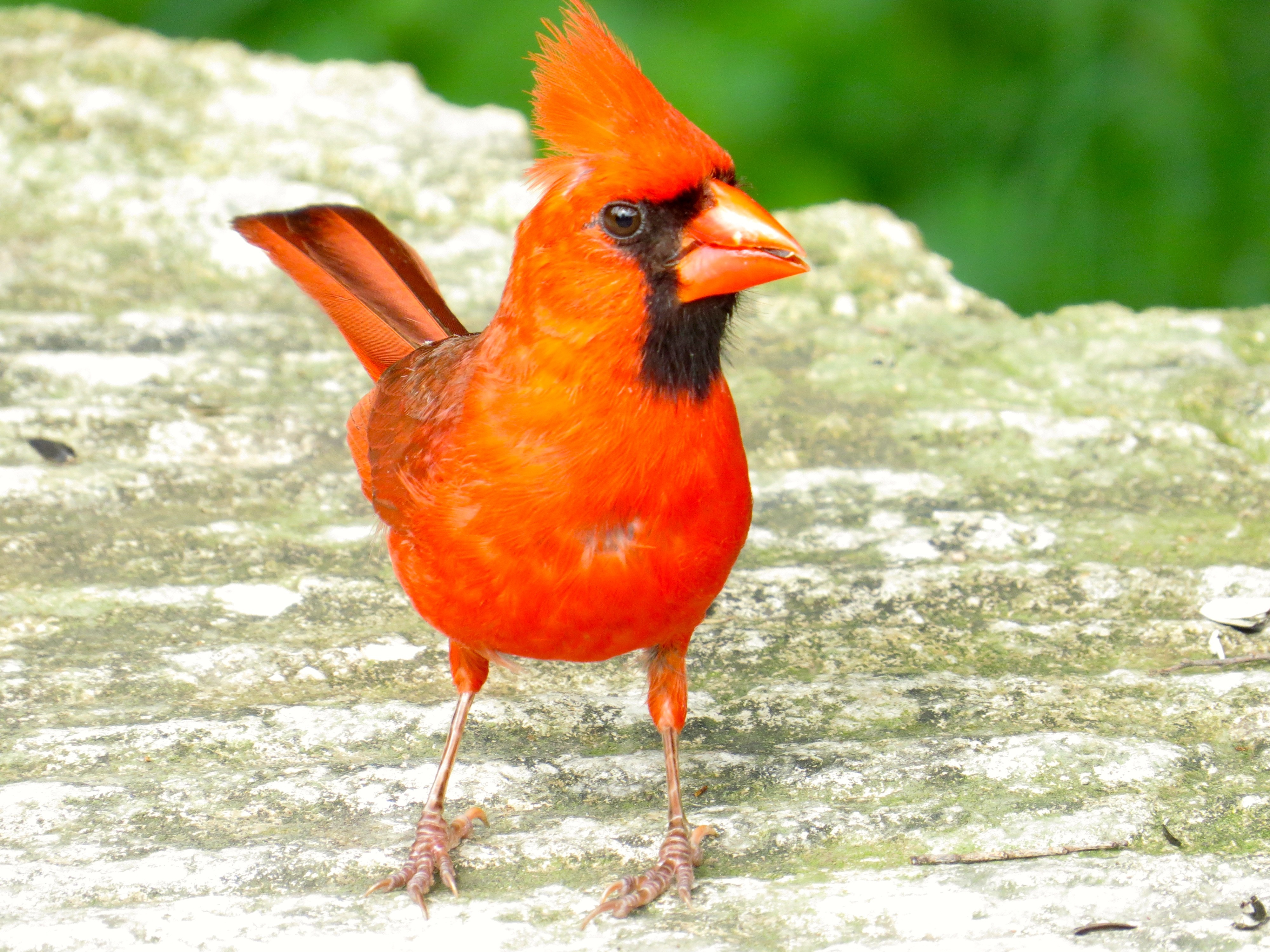
The male cardinal is always a favorite and is easily spotted and identified by his rich scarlet color, black mask and chin, heavy red-orange beak and distinctive crest on his head. They have a unique way of moving over the ground by hopping. They are primarily seed eaters.

Another secretive resident of Lady Bird Lake is the Yellow-Crowned Night Heron. They are solitary birds and contrary to their name they may also be out and about during the day. I found this guy hunting for his breakfast in the shadows of the trees on the edge of the lake.
And of course, on every walk it is possible to view the beautiful Snowy Egrets. They are permanent residents on Lady Bird Lake. In breeding season, he has gorgeous plumes and at  one time these beautiful birds were almost hunted to extinction because of the demand for their decorative feathers for women’s hats. Fortunately they are now protected by law. They are smaller than the Great Egrets and are easily identified by their bright yellow feet, sometimes called “golden slippers”.A group of egrets is sometimes referred to as a “congregation”, “skewer” or “wedge” of egrets.
So come on down to Lady Bird Lake and see what birds you can spot while walking the trails and boardwalk. It is always a rewarding experience!
Happy bird searching!!!
 ginnybirdbeakspeak