This past weekend I visited my sister in Burton again. Walking around her beautiful garden is a great pleasure. Gardening is therapy in our worlds… digging into the soft soil, smelling the earthy aroma, watching the squiggling earthworms as they burrow deeper trying to escape the trusty shovel or trowel, the mystery of planting seeds and the daily anticipatory excitement of watching for the appearance of the first green sprouts. My sister is a Master Gardener and the beautiful flowers that flourish under her tutelage are breathtaking.
Yellow Iris
Climbing Pinkies
Spring is always an exciting time for any gardener. Winter clean up has been completed, seed catalogues perused, selections made, ordered, received and eagerly planted. Gardeners are optimists…always hopeful that each seed will grow and we can reap the rewards of our hard work of digging, hoeing, weeding and mulching….flowers to adorn our dinner table or a kitchen window sill and fresh vegetables from our gardens that enhance our meals throughout the growing season.
Each season brings with it the end of the flowering cycle, movement to the seed making cycle, dispersal or gathering of those seeds to save for sowing the following late winter. I have gathered thousands of larkspur seeds and shared them with fellow gardeners. The very larkspur seeds I shared were given to me by a complete stranger when I stopped my car one day and admired her garden. This is what gardeners do…we pass it on. Seeds are spread by birds, the wind, other mammals and of course from the hands of one gardener to another.
Lamb’s Ear and volunteer
And the beautiful flowers, blooming bushes and shrubs attract birds and bees who also participate in the life cycle process.
Visiting Mockingbird
So take a chance, grab a trowel and plant some flower seeds, herbs or tomato plants. It is a vastly rewarding and relaxing endeavor!
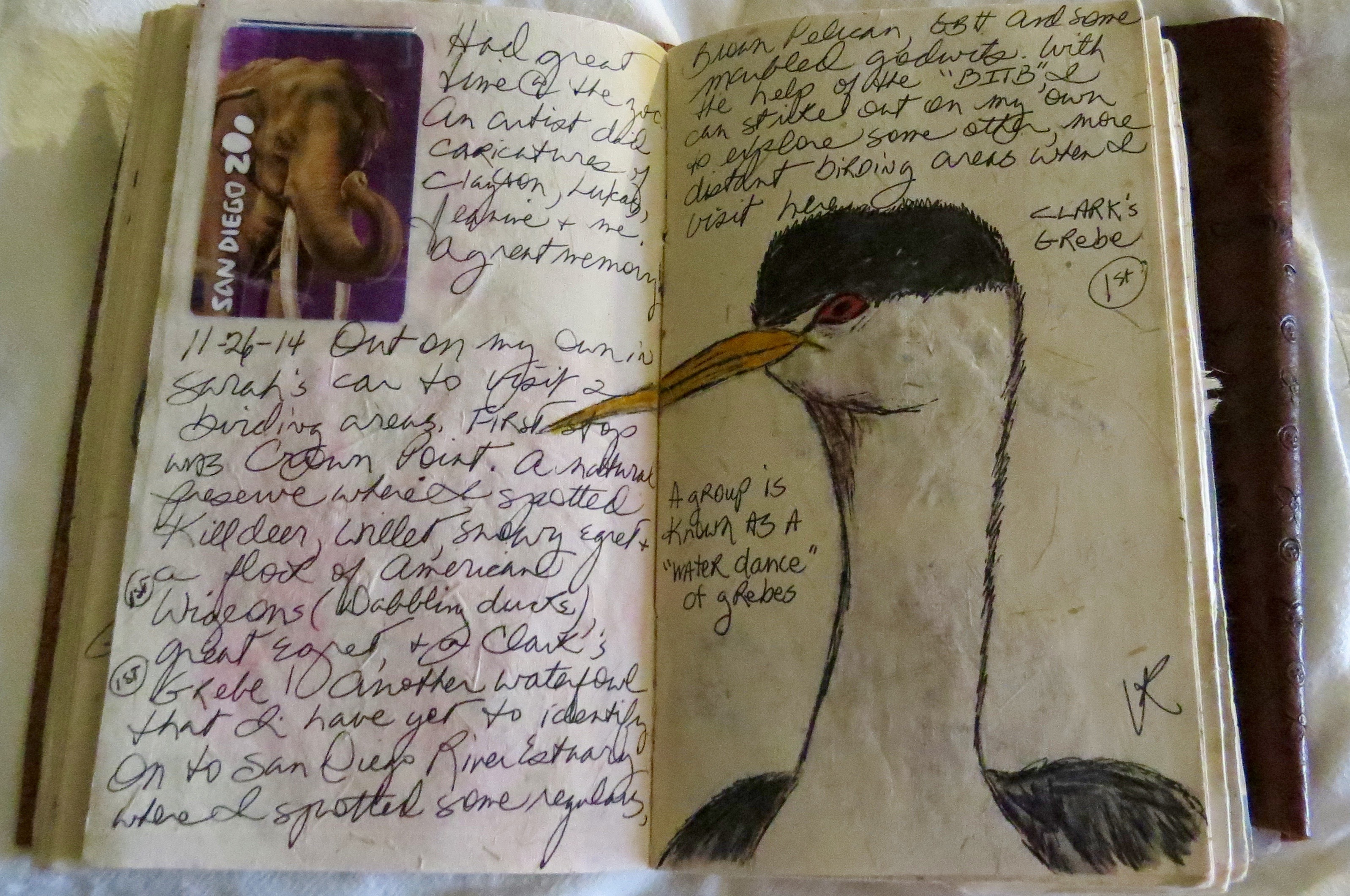
As long as I can remember, I have drawn, sketched, colored, painted and in general taken great joy in piddling in different mediums in my feeble attempts to be an “artist”. It took me years to learn that as long as I was happy with my creation, that was enough. I have finally lost the need for perfection or approval. I am happy when I can capture the essence of a bird or a landscape or a human figure. I guess that makes me an impressionist. Whatever I am, it matters not. I derive great pleasure from sketching my birds and revisiting those pages in my journals to revive the memories of their sightings.
So just what are the basics for drawing, sketching or painting in a bird journal? A short list might include the following:
Sketching pencils – 4B and 2B (higher the number, the softer the lead)
Pencil sharpener
Eraser
Mechanical pencil ( an optional item, personal preference)
Strathmore Drawing Pad (many different sizes so once again personal choice)
Strathmore watercolor paper – 90# coldpress (this is a medium weight paper)
Various drawing mediums
Strathmore watercolor paper – 140# is a higher quality and therefore more absorbent
Windsor Newton Water Colors – get student quality (really cheap ones will frustrate you but professional quality are not needed for learning)
Water soluble wax pastels. (Aquarellable)
black sharpie
Stabilo pencil
Charcoal pencil
A couple of watercolor brushes
And of course, some type of journal
Bird Journal Entry
The list could stretch on and on. Experiment, try new products/papers. It doesn’t take long to find your “go to” favorites that help you capture a memory in a birding journal. Paste in beach passes, restaurant receipts, print a photograph and lay it into the journal. Make your journal yours and build memories along the way.
Spring usually comes very early to Texas. In fact, Central Texas really hasn’t had much of a winter this year. February brings rodeos to many Texas cities and the one that I grew up with was the Houston Fat Stock Show & Rodeo, as it was called way back when. The “when” was me as a young child. Each year my Daddy would take us to the rodeo and back then there were no fancy stages or country western rock stars performing. Roy Rogers and Dale Evans were eagerly anticipated and each year after singing some songs they would ride Trigger and Buttermilk slowly around the arena shaking each child’s extended hand and allowing us to touch their horses. The Midway enticed us with bearded ladies, hawkers promising great prizes for winning a game or the fortune-teller who enthralled us with promises of exciting adventures in the future. The roller coaster made us wildly scream and a ride on the tilt-a-world always left me slightly nauseous. A trip to the rodeo was always an exciting adventure.
Keith Urban – Houston Rodeo 2016
I know it has been at least 40 years since I attended the Houston Rodeo but a couple of weekends ago, one of my BFFs invited me to go with her. I eagerly looked forward to it because one of my favorite entertainers was performing…Keith Urban! And he certainly delivered a rocking good time for all of us. He did one thing that looped me back to my childhood. Toward the end of his concert, he exited the stage and proceeded to walk around the entire arena shaking hands, giving autographs and even taking selfies with eager fans. It was so refreshing to see and it made me happy that some small part of my childhood memory was being recreated.
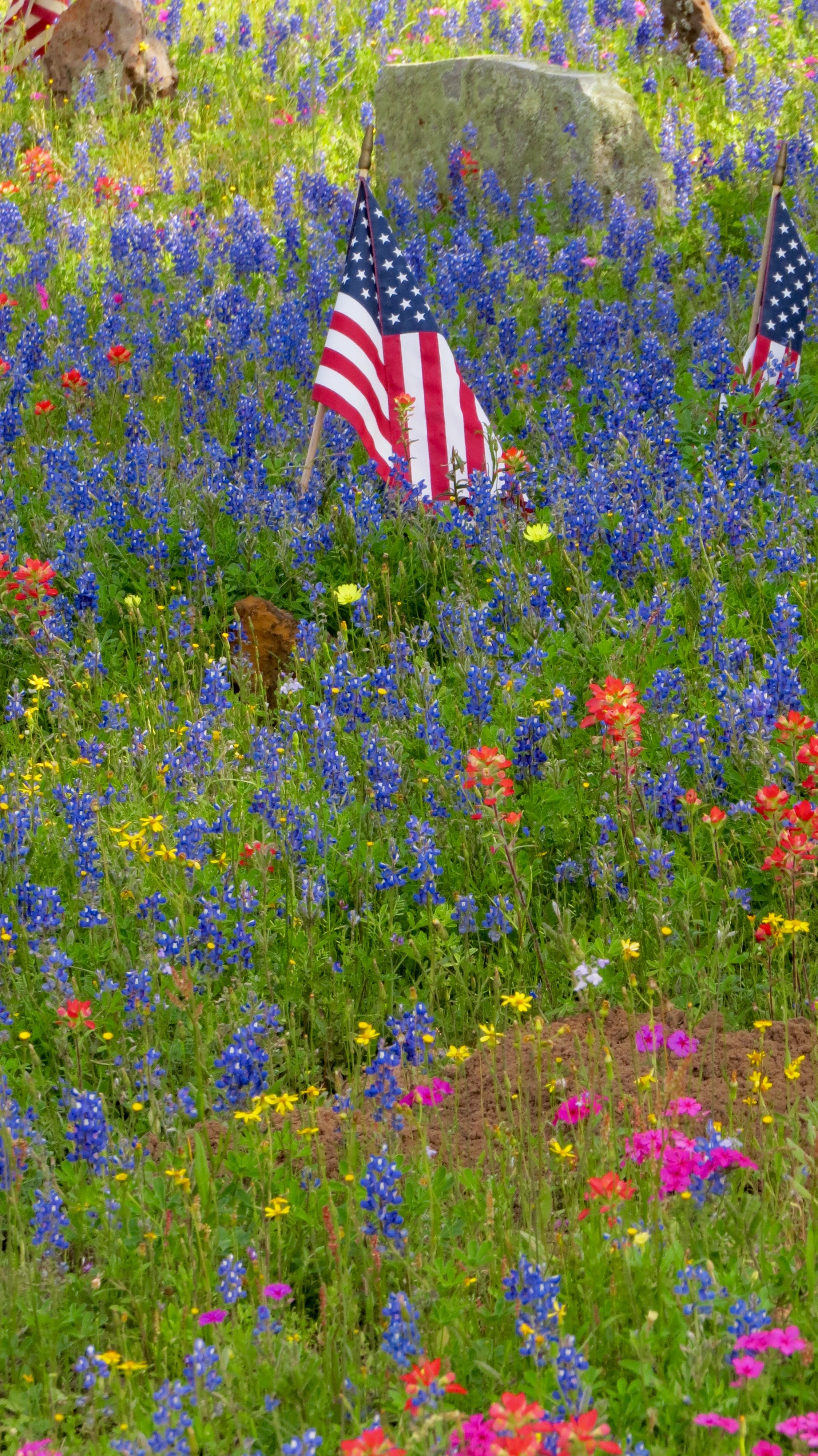
Driving home, I was scanning the landscape and enjoying all of the beautiful wildflowers that grace our highways. Carpets of bluebonnets, Indian Paintbrushes, primroses, all brilliant examples of nature preening. I was drawn to an old cemetery where aging, faded tombstones were adorned with a multitude of colorful wildflowers.
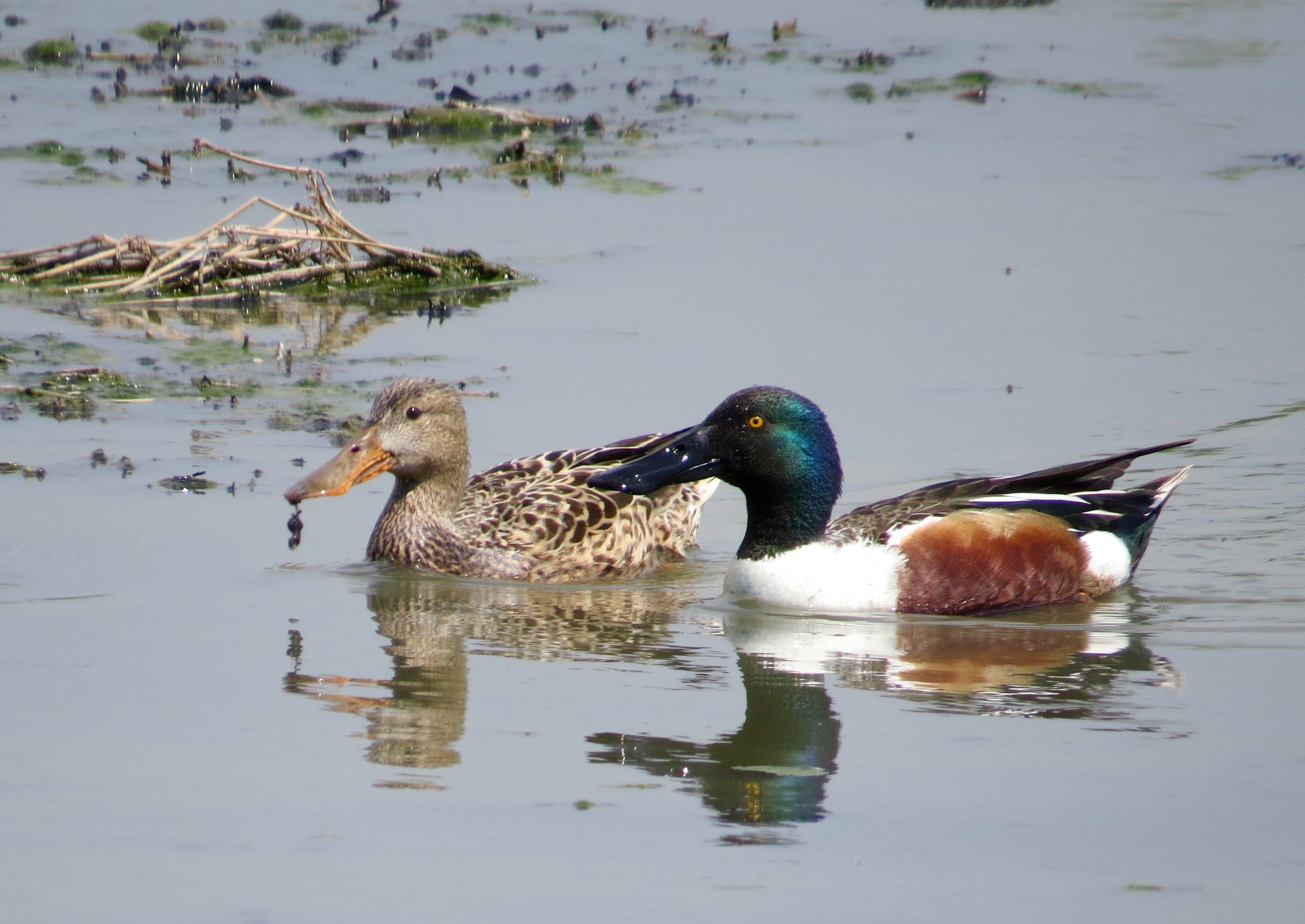
Female and Male Northern Shoveler
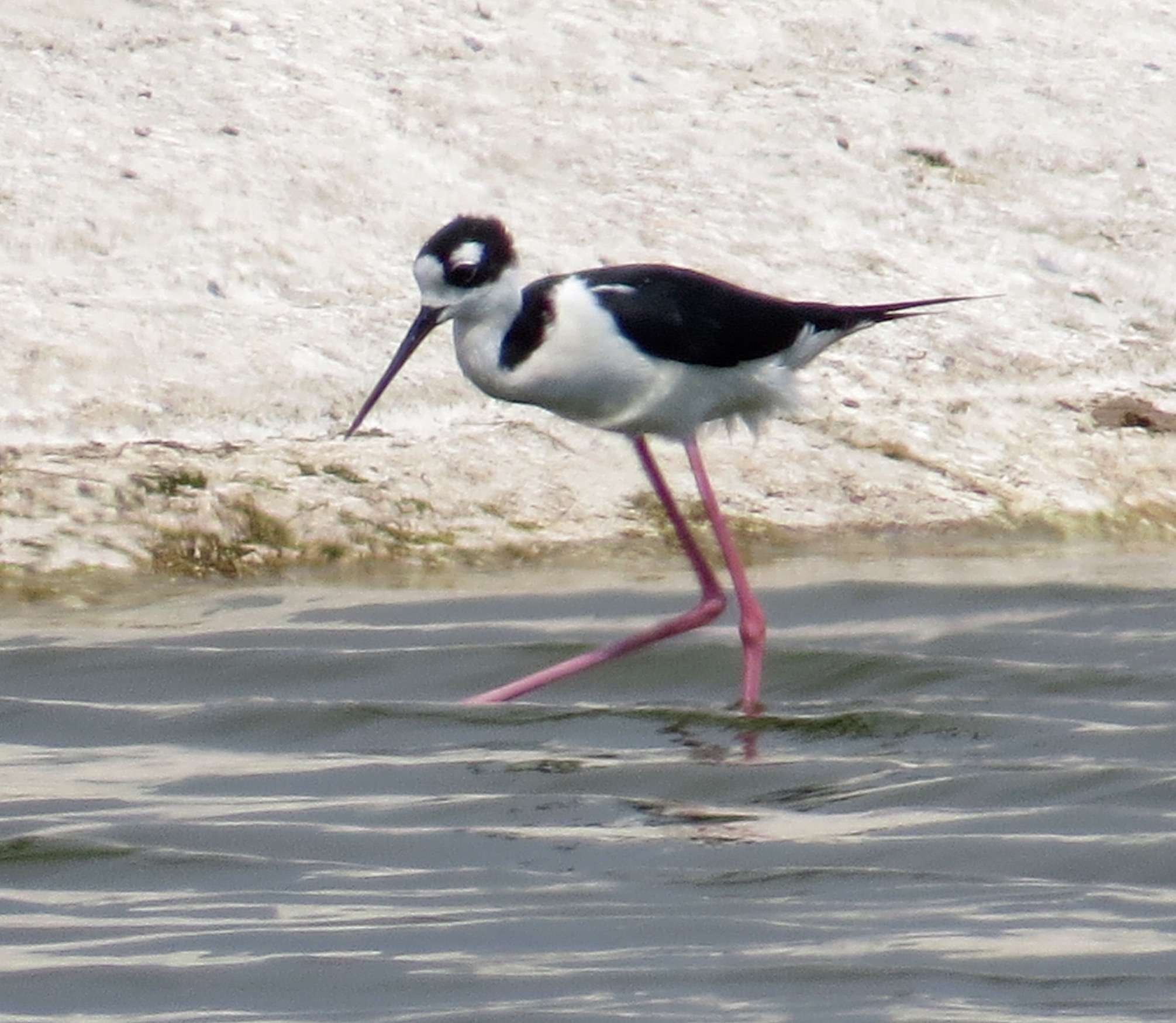
Returning to Austin, my journey down Highway 71 passes close to Hornsby Bend, the water treatment facility for Austin. Settlement ponds are a beacon for migrating birds…a place to forage for food or just rest along the way. Just a quick stop landed me some great shots of some visiting Northern Shovelers. I am always fascinated by the huge shovel like beaks on these beautiful birds. And another shallow area brought me a sighting of some black-necked stilts. Birds abound if we but take the time to look and listen!
Male Northern ShovelerBlack-necked Stilt
Spring is a new beginning, so grab your binoculars, a sketch pad, or a camera and take the plunge into the spectacular world of nature that surrounds us all.
Seeing a bird’s nest abandoned in a tree or lying on the ground evokes so many pleasurable feelings. As a child, finding a bird’s nest was similar to finding a beautiful treasure. I would rush to pick it up, carry it home and place it on my dresser. I was always fascinated by things in nature…rocks, leaves, shells, bird nests, bird feathers, driftwood….they were all precious objects that gave me pleasure in how they looked or how they felt in my hands and my imagination would fly with the prospect of what stories they could tell if they only could.
The feather soared high in the sky helping propel a bird in its daily chore of searching and securing food. It perched in the tops of trees and scanned the panoramic landscape. It was slipped between the beak of the bird as it preened. The nest held eggs that ultimately hatched into babies that grew into birds who then abandoned the nest since it had served it’s purpose.
Examining the nest can be an interesting activity.The kinds of materials used to build the nest can sometimes give us hints as to the species of bird that constructed it. A cracked flower pot turned on its side inside a basket on the front porch makes an ideal nesting spot in the eyes of a Carolina Wren. An old boot, floppy hat, or any type of container may prove to be the chosen spot for a wren’s nest. Male and female will gather sticks, leaves, twigs, string, roots, plastic, hay and build a messy nest that tunnels down and to the side. She may line the tunnel and the inside of the nest with grass, moss, dried leaves or feathers. Just imagine how many trips they must make to construct this fine piece of architecture. The Carolina Wren that I discovered one day on the front porch of a country farmhouse had done just that. I could hear tiny peeps of begging baby birds and their parents would flit in and out constantly delivering food for them, totally undisturbed by my near-by presence. Looking into the nest, I could barely see a few tiny beaks. These babies successfully fledged and the nest was abandoned. This is not always the case though. Many times the Carolina Wren makes a bad choice in nest location making it vulnerable to predators…cats, raccoons or possums.
That old cracked flower pot had been recycled by a small Carolina Wren. I guess beauty truly is in the eye of the beholder and “This Old Pot or This Old Boot” was just fine for her “This Ole House”..
A few years ago, I was determined to travel to Port “A” to see the Whooping Cranes. If ever there was a success story of bringing a species back from the brink of extinction, the Whooping Cranes are that story. Although they certainly aren’t out of the woods yet, they have managed to bounce back from certain demise.
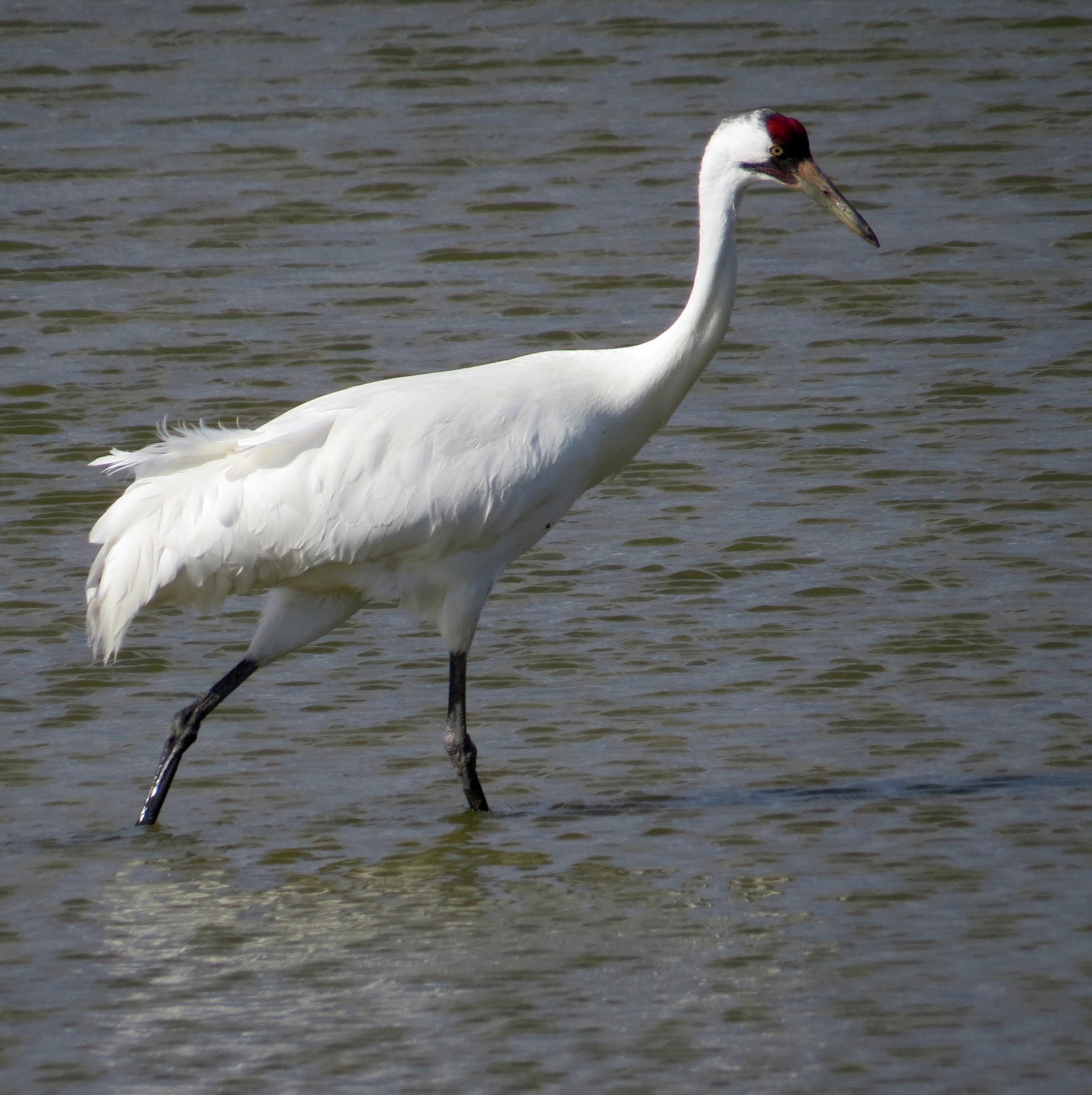
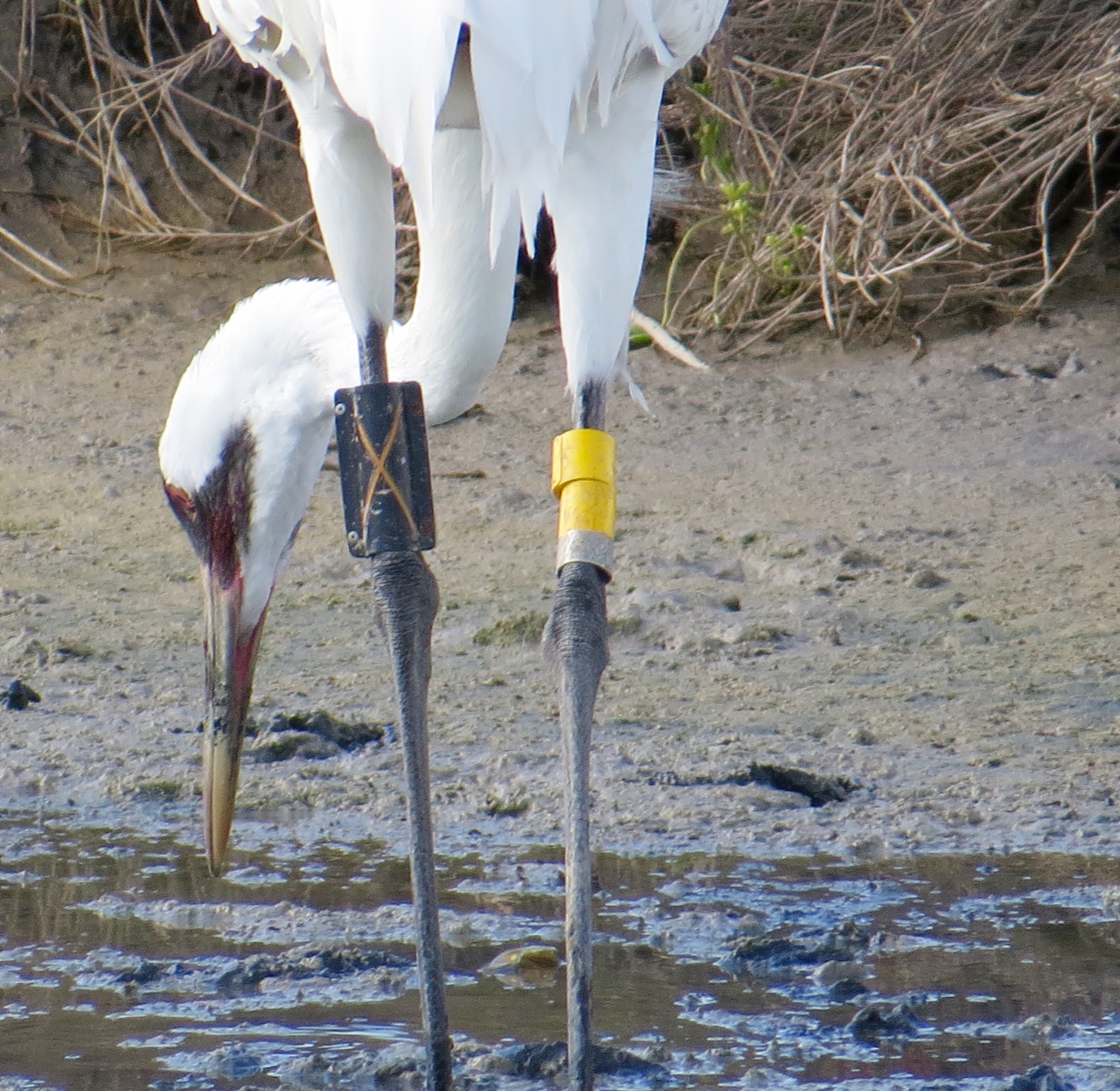
In 1941, the total world population of these birds numbered just 16. Loss of habitat, unregulated hunting, animal predators all took their toll on these magnificent birds. Conservation groups worked hard to try to protect the remaining 16 birds and through their efforts and the passing of the Endangered Species Act in 1967, the world population of these birds has grown to ~ 603. They are huge white birds with a distinctive red cap on the top of their heads. They have a large “bustle” of feathers on their rear which gives them a similar appearance to the Ostrich. They are five feet tall and have wingspans of seven feet. They migrate from Canada where they nest and hatch their young to Port Aransas Texas where they winter at the Aransas National Wildlife Refuge. The young are fed by their parents for up to eight months and migrate South with them. Current population of the only wild migratory “dance” of whooping cranes is ~310. Unfortunately, these birds still face survival challenges.
When I first visited them, I expected to see huge flocks of them, but was surprised to learn that usually they are in groups of three. Mom, Dad and Fledgling peacefully wintering by themselves on an area approximately one half mile in circumference.
Whooping Crane – Port AransasBands & GPS
Conservationists and wildlife experts recognized that one flock of Whooping Cranes does not assure the survival of these beautiful birds. There are too many exogenous forces….hurricanes, tornadoes, oil spills…which could decimate this one remaining flock. So there have been several projects launched in an attempt to establish another group. One of these, Operation Migration, involved the hatching of captive bred chicks in Wisconsin to be led by ultralight planes on their migration south to Florida Because these chicks did not have parents to “teach them the ropes” humans devised this unique experiment and set it in motion. The hope is to establish another migratory group and by so doing double the Whooping Cranes chances of surviving a catastrophic environmental event. The people who participated in this did not interact with the chicks in any way other than to dress in bird-like costumes when around the chicks and when they were teaching them to follow the ultralights. Over time, the chicks imprinted on the ultralights and did follow it on their migratory journey. On their journey south, the young birds are memorizing the terrain and will be able to return north without assistance to breed. Unfortunately, a large number of the first group of these transplanted chicks were killed by a huge storm that devastated Florida. To date, the efforts to re-establish another migrating flock of whoopers continues and as of February 2015, the count of the Wisconsin to Florida group is ~95.
A few weeks ago a newspaper article recorded the death of two whoopers. They were shot by a teenager and the birds were part of a small introduced flock in Louisianna. The punishment is so minor that it breaks my heart each time I hear of these happenings. Education efforts must be accelerated in our primary schools if we are to avoid such incidents in the future and enable the population of these endangered birds to grow beyond certain extinction numbers.
Birds in captivity are spread out over eleven different locations in the United States. Numbering 121 birds, they are used for egg collection and reintroduction programs. These birds are our insurance policy for the future survival of these very special Cranes.
From November to April it is worth a visit to Port Aransas or Rockport to board one of the tour boats that can get you up close and personal for viewing of these spectacular birds. In the meantime, check out this you tube video – https://www.youtube.com/watch?v=DGX52B9iXXU
When my daughter and her family moved to Southern California I was blessed to be able to enjoy this beautiful part of California and of course expand my birding opportunities when I visited. Some birds on the West Coast are different from ones that I live side by side with in Central Texas and on the Gulf Coast, so it was with great anticipation that I ventured out to explore different birding areas that I previously scoped out on the internet.
Southern California Coastline
As one might imagine, the Southern California coastline is high dollar real estate and approximately 90% of it has been developed leading to the loss of natural wetlands that are imperative for the survival of many bird species. Fortunately there are pockets of these wetlands that have been protected to ensure that some of these areas remain for our bird friends. One in particular that I can’t wait to revisit is the Tijuana Estuary at Imperial Beach. It is part of approximately 2500 acres that is part of the Tijuana River watershed.
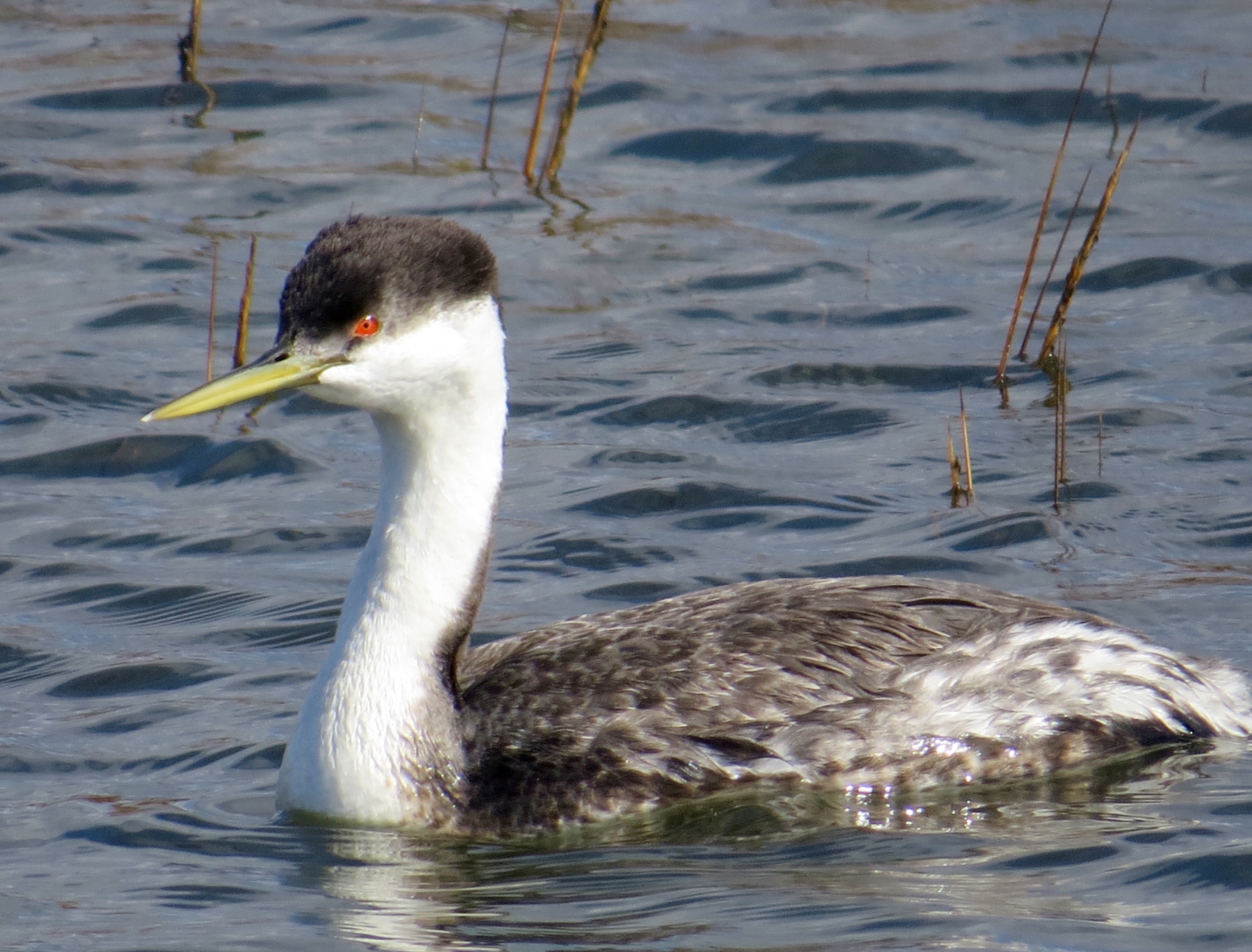
Western Grebe
On my first visit there, California was experiencing what they call a “California King Tide” which basically meant that the salt marshes and estuaries were flush with water. That translates into great birding opportunities. The tides flow in, fill the shallow estuary basins, providing food and shelter for many species of plants, animals and invertebrates. The depth of these ponds and the types of soil can determine what species live there. It is a careful balancing act that many times unfortunately can be upset by man.
Whimbrel
On this particular day, a few we were fortunate to spot were Whimbrels, Egrets, cormorants, common rails, house finch, California Towhee, American Kestrel and Western Grebes.
Walking beaches and trails in search of birds makes one hungry. And what better way to satisfy that craving than seeking some street tacos to assuage our hunger. Easily available in a town bordering Mexico.
House Finch
If you are lucky enough to be visiting Southern California check out this wonderful protected natural resource if you just want to enjoy some beautiful scenery or experience the thrill of finding a new “lifer” bird species. Find more information at http://www.trnerr.org.
Many years ago, my BFF and I took our girl scout troop on one of their year-end trips and our destination was the vacation home of one of our scouts. It became our home base as we engaged in different day activities. One of those was the YO Ranch in Central Texas. It is quite a fancy place today, but back then it was a taste of the Old West combined with an African wildlife adventure. It was an opportunity for our girls to see up close and personal many exotic animals they had never seen before. It was fun!
We went dam sliding, horseback riding, floating in tubes on the Guadalupe River while eating watermelon, enjoyed outdoor theatre presentations and just thoroughly savored an escape to a paradise in Ingram Texas.
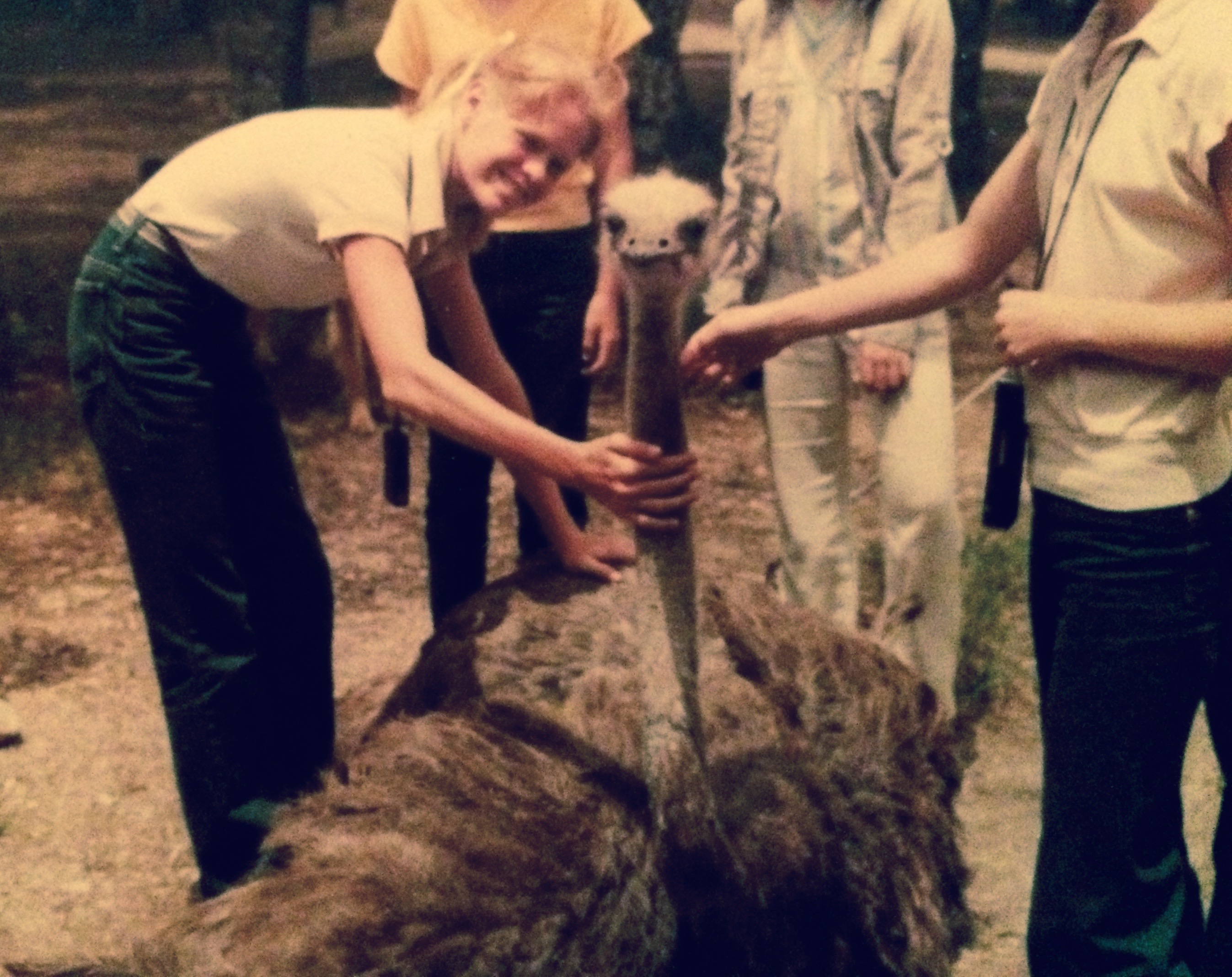
Roaming throughout the 27,000 acre YO working ranch were giraffes, deer, and mountain goats to name a few. One of the main attractions of the YO Ranch back then was their Ostrich and Emu population. The day we visited and bounced around in trucks touring the property, we were allowed out of the vehicle to walk around. I most remember the open prairie with a few scattered trees throughout. I don’t remember a whole lot about why we were walking around, but we suddenly became aware of our guide yelling at us to run toward one of the trees. We took off running and glancing around we understood why. Romping quickly toward us at a rapid pace was a huge Ostrich and he was closing fast. We reached the tree and stayed there as our guide drove the truck over to us and shooed Junior away.
Why is this Junior’s Adventure? Time passed and Junior was a fond memory of happy times spent with our scouts. One day while reading the newspaper, we discovered that Junior had moved on from the YO Ranch to be a junkyard guard bird. We knew he was aggressive since we had personally experienced it and apparently he was better suited to guarding junk than roaming around the ranch attacking paying guests. I am sure he lived a happy life doing what he liked to do best….terrifying people!
It’s winter. For those of us in Texas, this means almost perfect weather….nice temperatures, clear skies, many leafless trees and excellent bird watching. Not so for many parts of our country where falling snow and adverse weather conditions may limit outdoor time for many people. Enter Cornell University’s Live Bird Cams.
Each year I open each of these cams on my computer and delight in watching many different species up close and personal as they build nests, lay their eggs, incubate, feed, nourish and teach their offspring survival skills and then watch them fledge for the first time. Each of these bird events is highly anticipated by thousands of viewers all over the world. Ah, what a wonderful thing is this internet. Allowing each of us windows into different worlds that may literally be a world away. A giant thank you to Cornell University for supporting and facilitating these cameras and an equally large thank you to all the volunteers that moderate these sites teaching us about these birds, their habits and behaviors. I have learned so much and have also discovered that viewing birds on the camera has transferred to better identification skills for me in the field.
Laysan Albatross and chick. Look closely and you can find the baby.
In Hawaii I get to enjoy a Laysan Albatross as she and her mate build a simple nest of a few sticks on the ground, tend to their young for a long seven month period before that one youngster takes to its wings for the first time. Last year I felt privileged to watch the young Albatross trundle up a hill that overlooked the ocean, open her wings and launch herself into the air for the first time. She will spend the next couple of years soaring high above the ocean. It was a magical moment filled with raw emotion….the sheer beauty of this bird instinctively thrusting herself into the Albatross life.
Drama unfolds at these cam sites. Red-tailed Hawks Ezra and Big Red have been successful for many years in raising their young on the Cornell University campus. Campus goers actually write notes in chalk to them on the sidewalk below their nest site. One of their fledglings was injured in a crazy impossible accident involving a greenhouse roof on the campus that closed on the young bird and injured his wing. The dedicated BOGs (birders on the ground) that track the fledglings movements called for help and he received the best veterinarian care in the hopes he could be returned to the wild. Unfortunately this didn’t happen so E3 is now being used for educational programs. His life is happy and he definitely will not have to worry about survival in the wild.
Dottie the Barn Owl
Dottie and Casper are two barn owls that live in Texas. I’ve watched and rooted for their offspring, one in particular. Ollie was the fourth egg to hatch and seemed to be struggling to survive since his older siblings seemed to get the lion’s share of the food Mom and Dad brought to them. But as I watched Ollie got stronger, beating the odds that he might experience the siblicide fate of so many. Today Dottie has returned to the nesting box, but so far no sighting of Casper. There has been another male owl periodically and all of us “watchers” are anxiously awaiting Casper’s arrival. Did he survive the winter? Is this new male owl (already named Dash) his replacement? Only time will tell.
Ruffed Grouse – Bird Feeder, Ontario Canada
And even when the birds have finished their nesting and young raising chores, the bird feeders on Sapsucker Pond and in Ontario Canada continue to provide great bird watching and many surprises throughout the year. It was on the Sapsucker Pond feeder that I saw my first Pileated Woodpecker. And in Ontario I saw my first ruffed grouse.
Blue Jay and Dove sharing the feeder on Sapsucker Pond
If you are wheelchair or home bound these cams are for you. If you work in a cubicle with no windows to the outside world, these cameras are for you. Or if you just wish to have a secretive look at birds in their natural environment and watch them work their many wonders, then these cams are for you. I know they have greatly enhanced my serenity, my knowledge of birds and my identification skills. So check them out. I promise you won’t be disappointed!
Happy bird searching!!!
All photos captured from Cornell Live Bird Cams via my computer. Thank you Cornell!



















 ginnybirdbeakspeak