
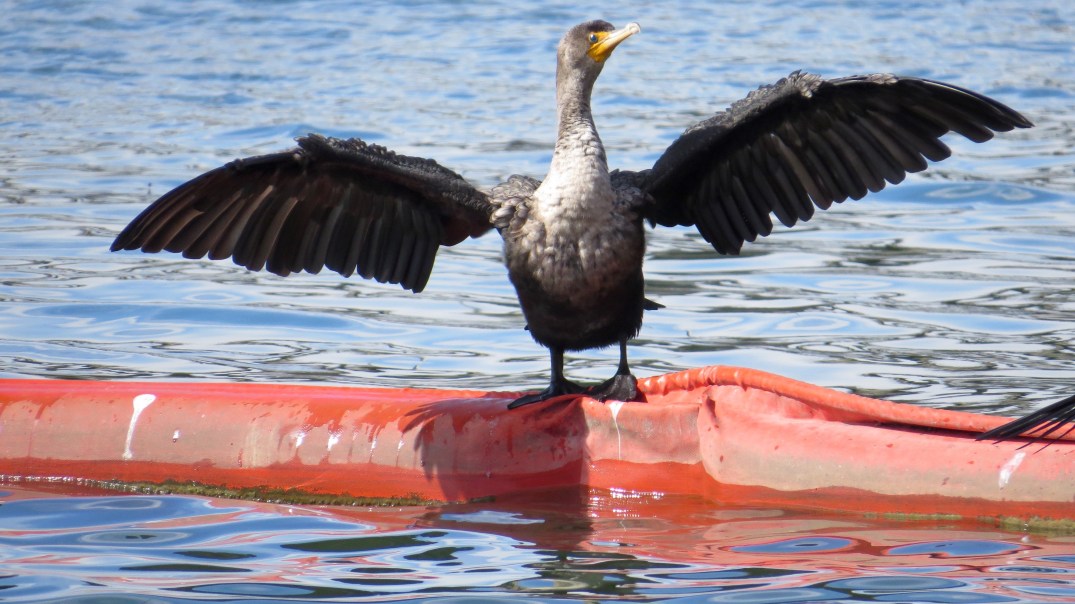
Bird of the Month – September 2016
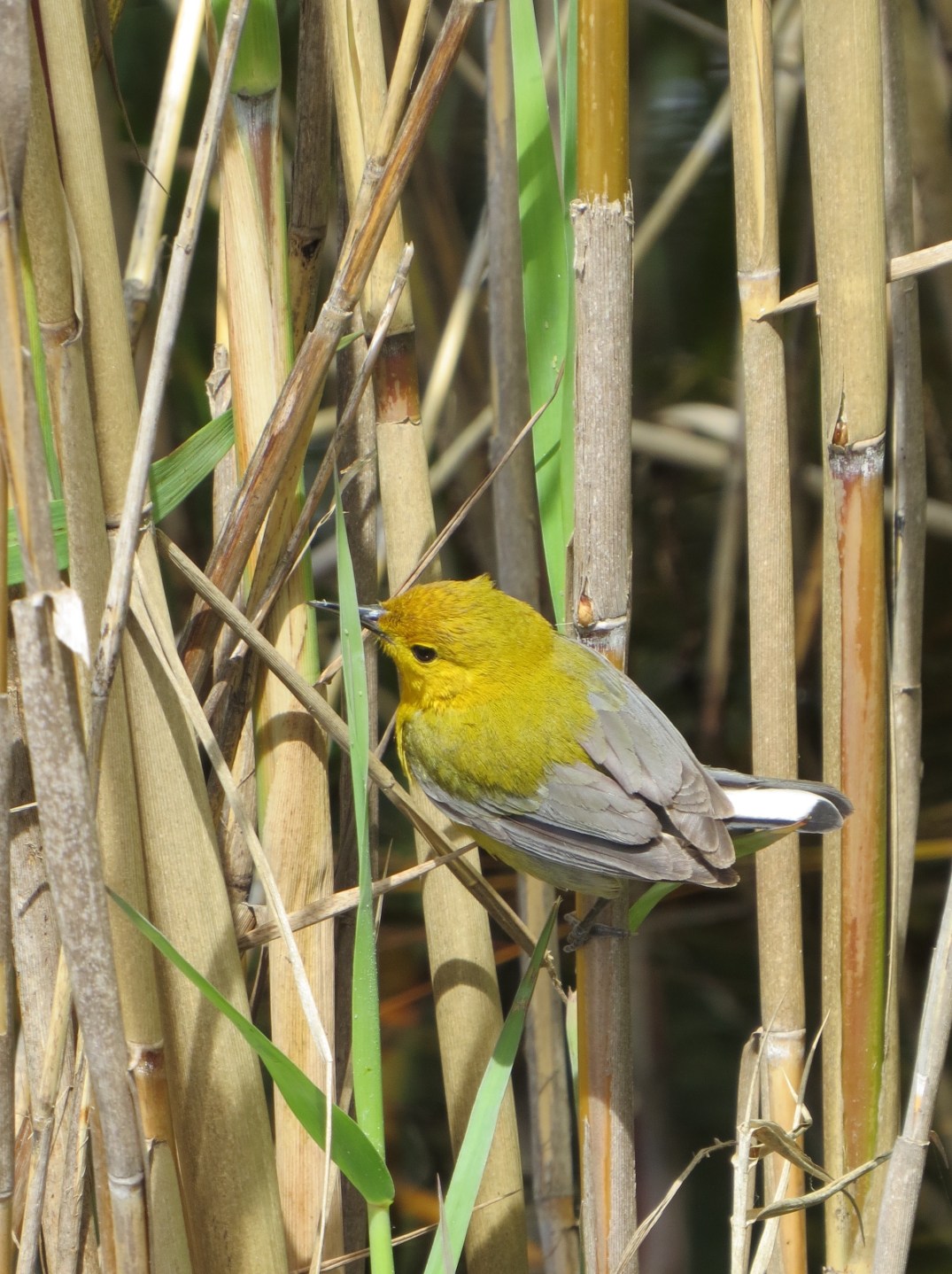
I’ve written several times about Cornell University’s live bird cams that enable people all around the world to spy on the interactions of different bird species as they begin the mating season, build their nests, brood their eggs, hatch their offspring, nurture them to fledging and then helicopter them as they gradually become self-sufficient.
This year high drama has surrounded the Hellgate Osprey Nest in Missoula Montana. But first we must recap last years drama… Iris and Stanley continued their relationship from years before, refurbishing their nest, brooding their eggs and cam watchers delighted in seeing Stanley deliver a fresh fish to Iris, delicately ripping fish flesh pieces that he then gently fed to her as she sat brooding the eggs. They worked as a highly efficient team driven by instinct to procreate and ensure the survival of their species. Unfortunately Mother Nature dealt them a deadly blow last year in the form of a hail storm that damaged their eggs and that year’s brood was lost. Stanley and Iris eventually migrated South for the winter and when April arrived the Hellgate cameras heralded the arrival of Iris. We and Iris watched for days and days for the arrival of Stanley. He never arrived and we will never know what happened to prevent his return. Most likely he died during the winter. So Iris waited, was approached by several males attempting to mate and ultimately her next “husband” arrived and won her over with his charming character and clownish ways. Louis had secured her affections and they set about to raise a family.
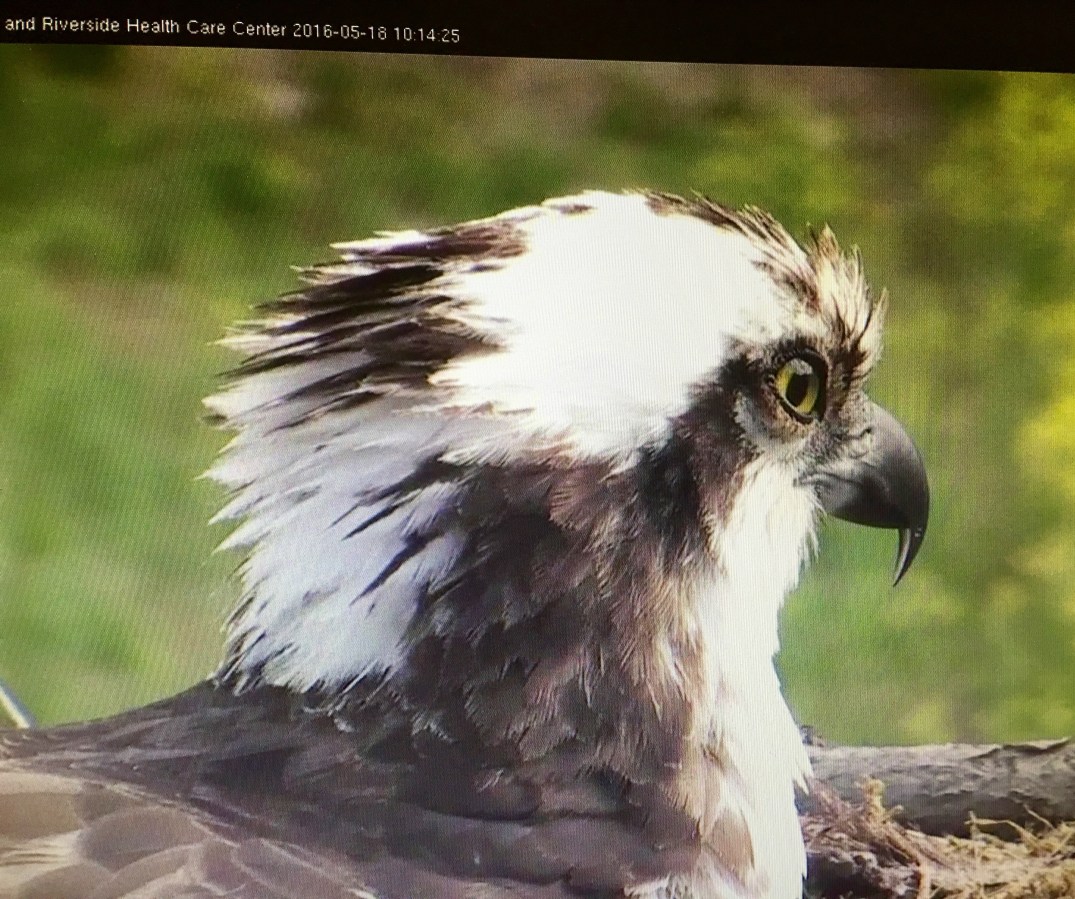
The experts let us know that this was probably Louis’s first year as a Father-to-be based on his inexperienced behaviors. After multiple awkward mating attempts, Louis finally got the hang of that piece of the family making puzzle. He had much more to learn though and Iris was more than ready to teach him. We watched as she yakked at him almost constantly, perhaps directing his nest enhancement skills or ordering a fish for lunch. As she laid her eggs and began to brood them, Louis would fly in with a huge gangly stick and in his efforts to place it correctly in the nest he many times bopped her on the head. He seemed not to realize that it was his responsibility to fish, fish, and fish some more, to bring those fish to Iris and give them over to her. She would fly off with the proffered fish and he settled in to fret about how to gently turn the eggs and position his body over the eggs before covering them for brooding. All new skills that he was desperately trying to learn. Iris yakked and yakked and yakked.
But Louis wasn’t a quitter, he learned quickly and gradually took delight in his time brooding the eggs. When Iris returned from her brief forays, he was reluctant to relinquish his position. But ultimately he did because Iris was yakking at him. She definitely was the boss. As time passed, two of the three eggs were damaged…how we don’t know…maybe accidentally punctured by a talon claw, maybe by a beak that turned the eggs too vigorously, any of which could have been caused by Louis’s inexperience as a parent.
At last we waited and waited and waited some more for the last egg to pip. Expert bird people know exactly how long it takes for the egg to develop and as the days passed it became evident that this last egg was probably not viable. But both Iris and Louis are still being driven by instinct and continue to brood until some internal switch turns off and they accept that this year their efforts are unsuccessful. But the egg remains in the nest and although Iris is spending less and less time each day brooding the egg, Louis is still hanging in there, protecting his offspring which has become known to the world as Dudley. Dudley the Osprey who would never be.

Iris and Louis will spend the remainder of this summer fishing, flying and just hanging out together, continuing to bond as a mated pair. Then they will depart on their migration South each going their separate way. Hopefully next Spring they will both return to the nest at Hellgate and will begin again to build a family. And perhaps next year, they will be successful.
Watching the beauty of nature as it evolves is a gift. Thank you Cornell for giving the world a “bird’s-eye view” so we can learn, enjoy and embrace these beautiful creatures.
Photos courtesy of Cornell live bird cams
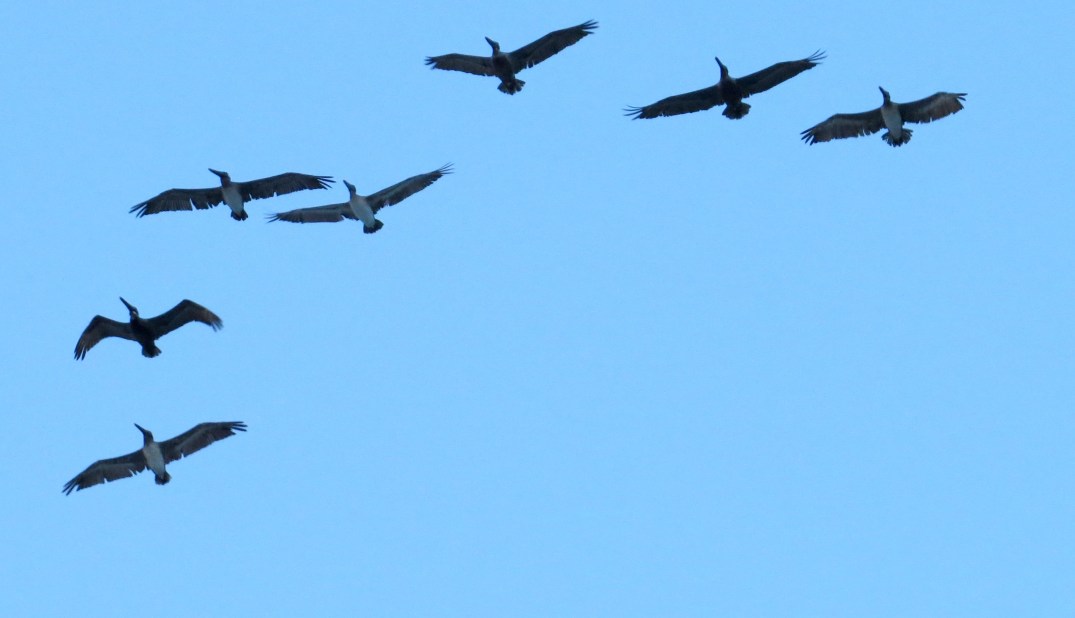
At the end of June, I made the trek with my daughter and two grandsons to Gulf Shores Alabama. Not a fun drive but we had a mission. My youngest grandson was playing his last tournament series with the baseball team he has played with for many years. So a bittersweet tournament. They always do well and this year was no different. Not first but second in their bracket which racked up the third year in a row that they brought home some hardware. They were happy.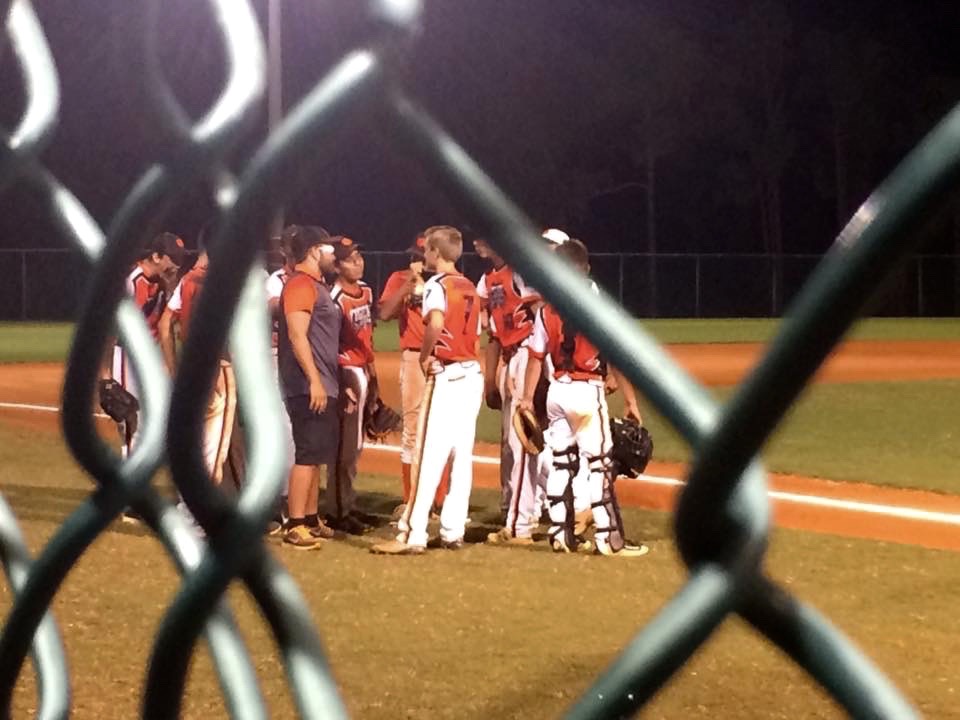
Interspersed throughout the week, we had time to stroll or just bask on the beach. And Gulf Shores beaches are magnificent. Sugar white sand so very different from the sand I grew up with on Galveston Island. It was a pleasurable experience and of course being near the ocean is always good for birding opportunities.
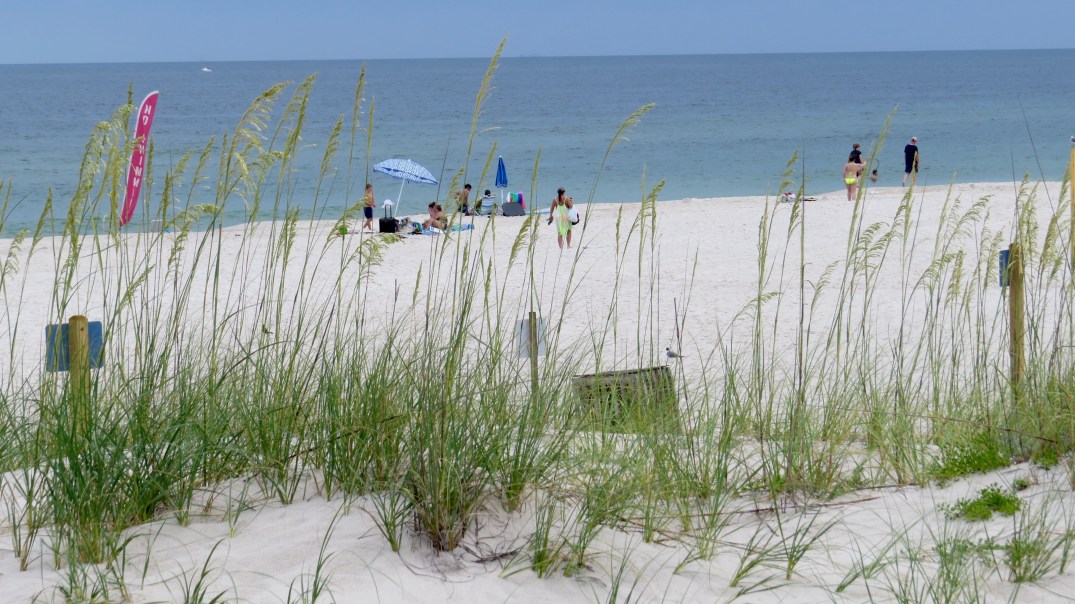
On this trip, Ospreys abounded. Everywhere I looked I found platforms with Osprey nests. Most had juvenile birds that had fledged from their nests but continued to return and beg for food from their harried parents. Even though they can fly, the juveniles have not honed the fishing skills necessary for their survival. Their parents may continue to drop food for them for many weeks until they master those skills. At one of our late afternoon baseball games I witnessed this phenomenon from my baseball perch. The juveniles were flying off and on the nest, yakking away begging for food and I spotted one of the parents in a tall pine tree very near the nest…close enough to monitor and intervene if necessary, but far enough away to encourage independence from his/her offspring. If the game dragged, I had another source of entertainment, up close and personal.

Beaches, boys, birds and baseball! How much more summertime can you get?
Happy bird searching!!!


At the end of June and through July, the Purple Martins descend on Austin in vast numbers. Not hundreds but thousands of these birds arrive in Austin on their long journey to South America where they will winter. For years they roosted in about seven trees in the Highland Mall parking lot but last year they moved to the Capital Plaza Shopping Center parking lot and this year they have moved again a little North to the Embassy Suites Hotel parking lot. No one knows why they changed sites but the move they made isn’t very far from their old roosting site. Each morning they leave the trees in the parking lot and take to wing in search of the many insects they will devour all day long before returning to their roosts at night in those same trees in that same parking lot.
This phenomenon has become so popular that our local Audubon Society actually has Purple Martin parties on Friday and Saturday nights. These dedicated volunteers are in that parking lot just before dusk to answer questions and provide education for all the people who come to watch this incredible event. It is difficult to describe but I will try.
People begin drifting into the parking lot just before sundown. They may have umbrellas to protect them from the obvious byproduct of so many in-flight birds. They open their car trunks or tailgate and remove lawn chairs, select their chosen site, sit with binoculars in hand and begin the wait for the grand finale….when all the birds have settled in for the night. Looking up in the sky it is easy to see martins beginning to circle the parking lot. Gradually as darkness starts to increase, the birds begin spiraling in circles over the trees. They begin to land on branches and as their numbers increase, the boughs of the trees begin to droop with the sheer weight of the massive volume of birds. Each bird is seeking a roost for the night and the trees literally become alive with birds, shoulder to shoulder each chattering their indignation as other martins try to wedge themselves into any tiny available space. Estimates are that between 100,000-200,000 birds spend the night in those trees before ascending the next day to repeat the cycle. At first it was believed that these birds were staying here for about 4-6 weeks before continuing their journey south. But the recapture of some banded birds has suggested that this huge number of birds may not be spending more than one or two nights here before moving on. If this is the case, then the sheer numbers of Purple Martins traversing our city on their migratory journey increases exponentially. Check out a video here….. https://highlandneighborhood.com/purple-martin-migration-at-highland-mall/
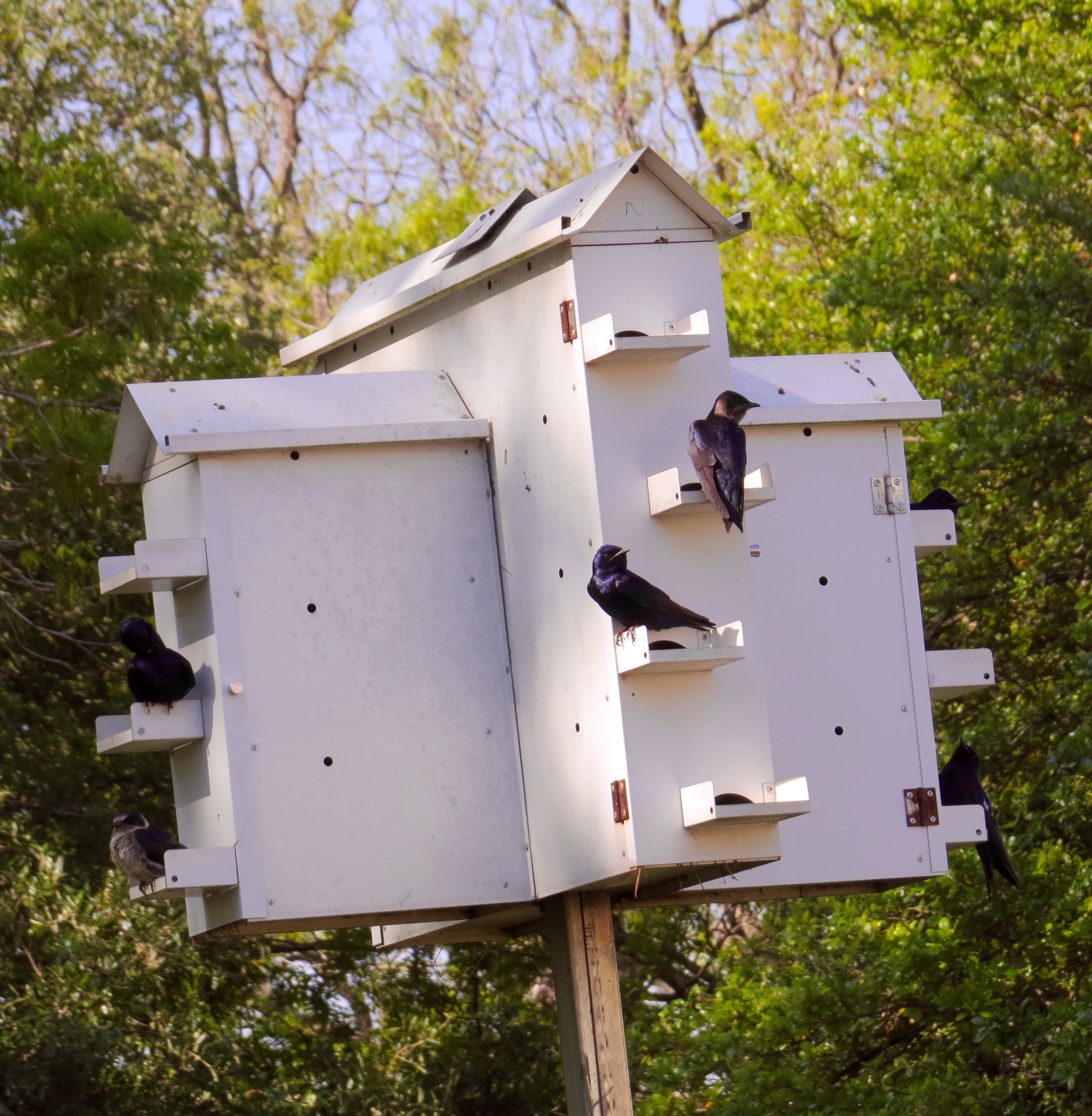
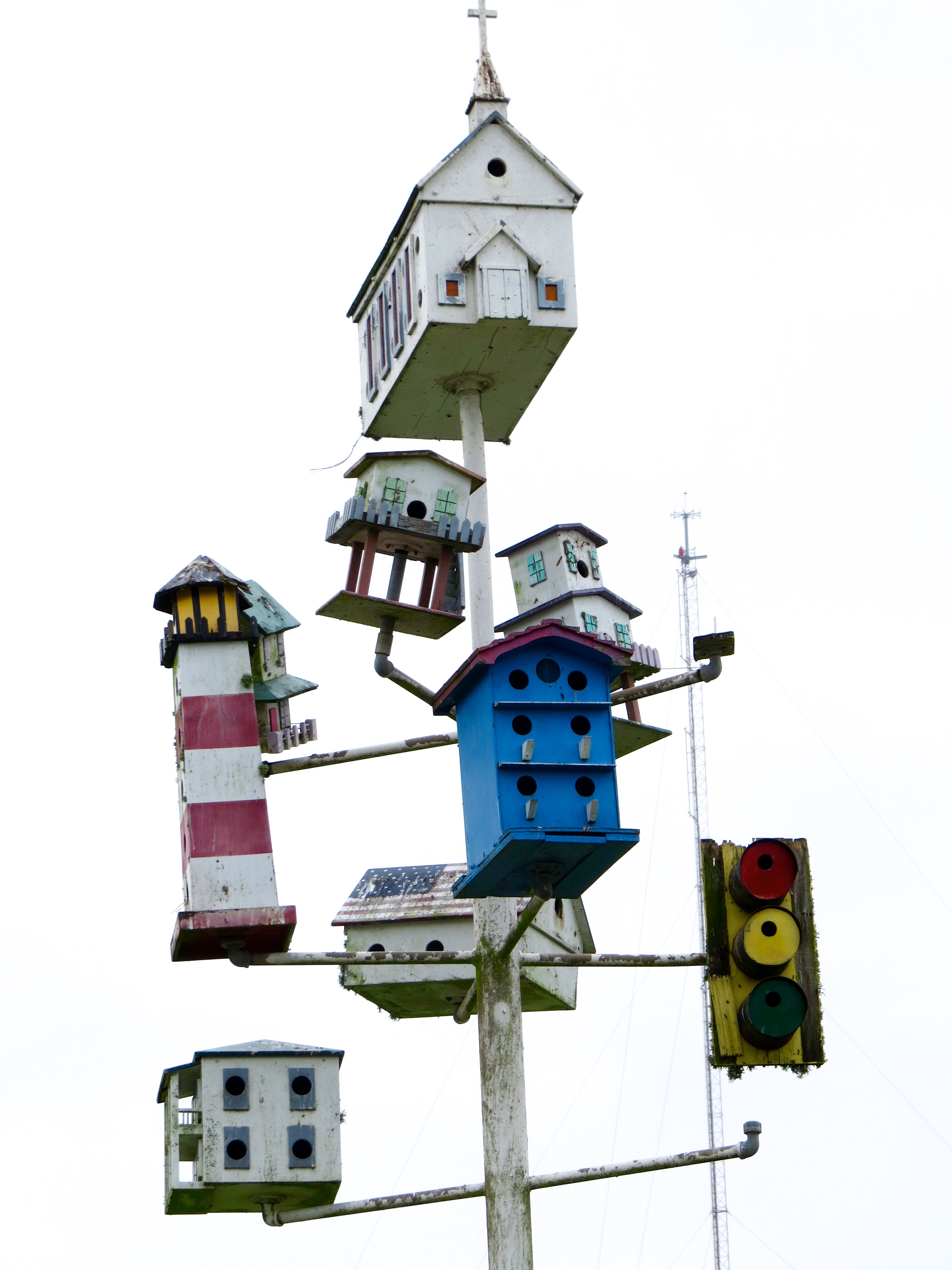
Purple Martins are members of the swallow family. They eat and drink on the wing and spend our winter in South America. Landscapes in small towns and farms and even in urban areas, are dotted with purple martin houses erected to entice some of these interesting birds to take up residence, build a nest, lay their eggs and raise their young all to the delight of the property owner. They are colonial nesters which explains the preponderance of condominium style purple martin houses erected by homeowners.
So if you happen to be in the Austin area during the month of July, I highly recommend an evening with the birds. It is tremendous entertainment, totally free and I promise you won’t regret taking the time to include this activity into your itinerary for the day.
Happy bird watching at the Embassy Suites parking lot!!!
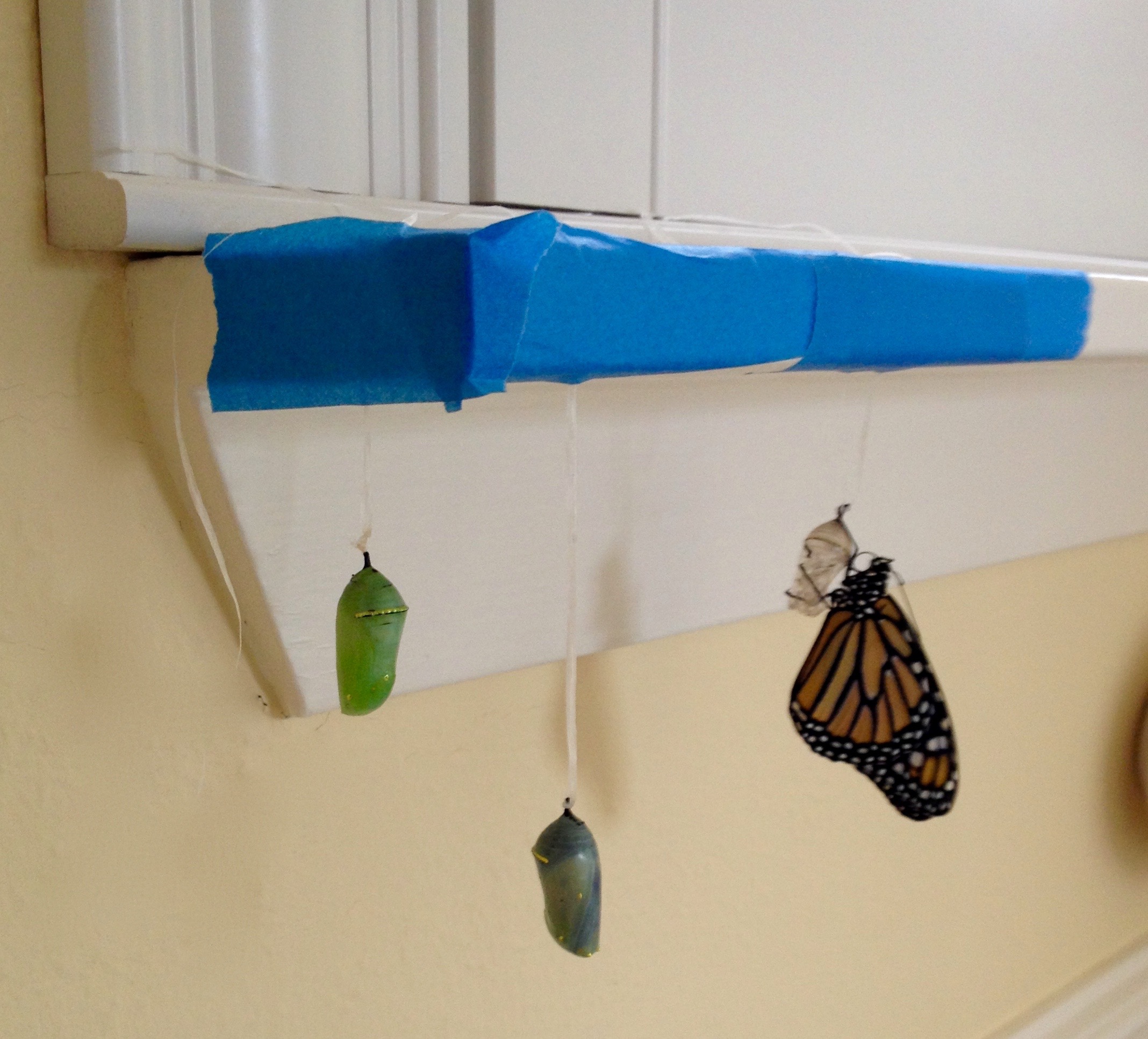
My BFF Kathleen has been nurse-maiding some monarch butterfly chrysalis eagerly awaiting their metamorphosis to butterflies. She is a very dedicated “Butterfly Mom” who went to great lengths to plant milkweed to encourage replication of the monarch butterfly’s life cycle in her 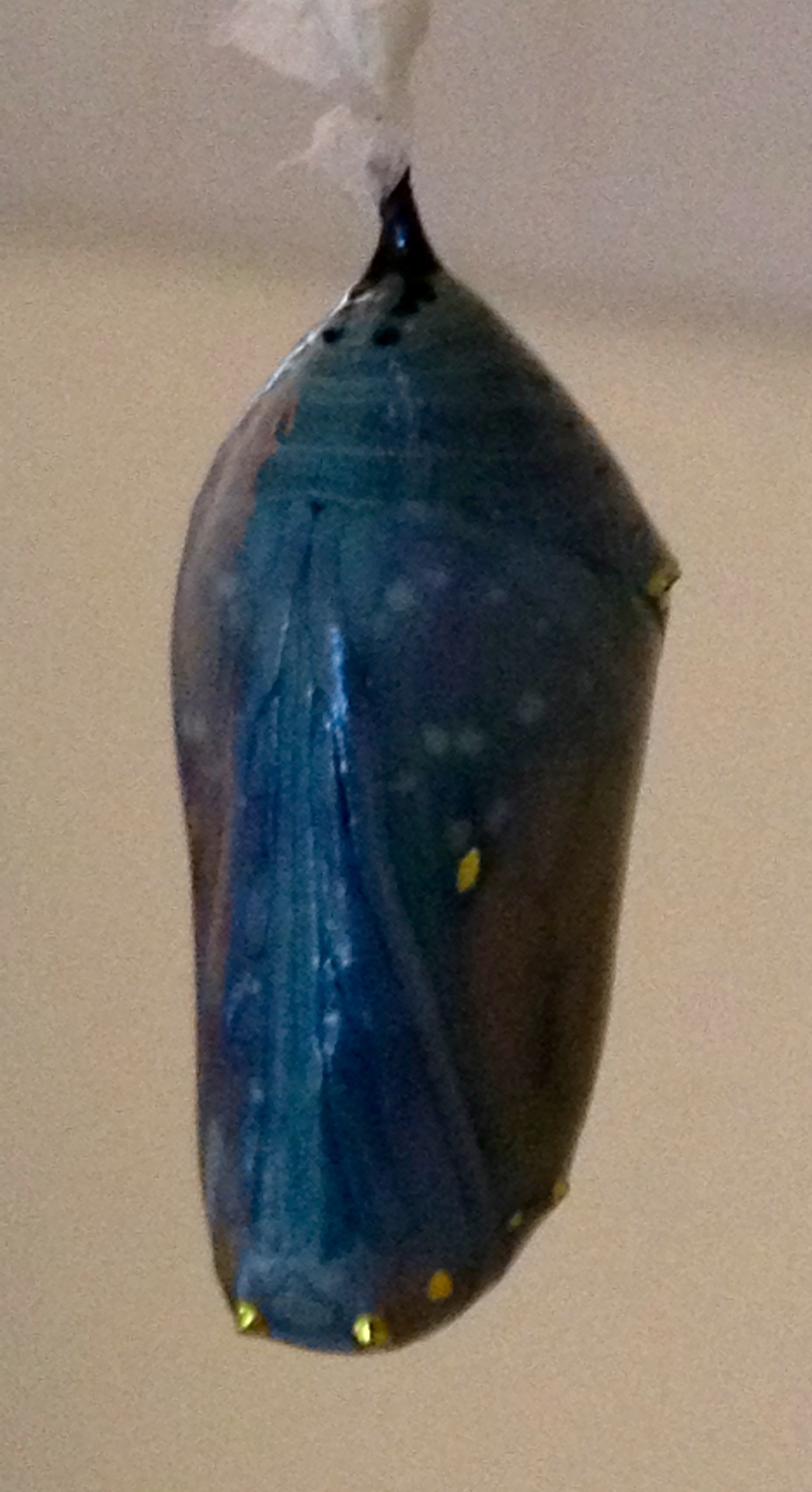 backyard. A few weeks ago she was the proud “Mother” of one brand new Monarch butterfly and waiting in the nursery were perhaps four or five more. I was privileged that she shared this great moment with me and what a beautiful event it was to witness. I admire her dedication to help in the preservation of these beautiful butterflies. As the saying goes…”It takes a village” to help save a species, to make a change for the better. Kathleen took up the banner and stepped up to the plate to make a difference for these beautiful creatures. A small difference, but all the small differences can make a huge impact on the survival of a species.
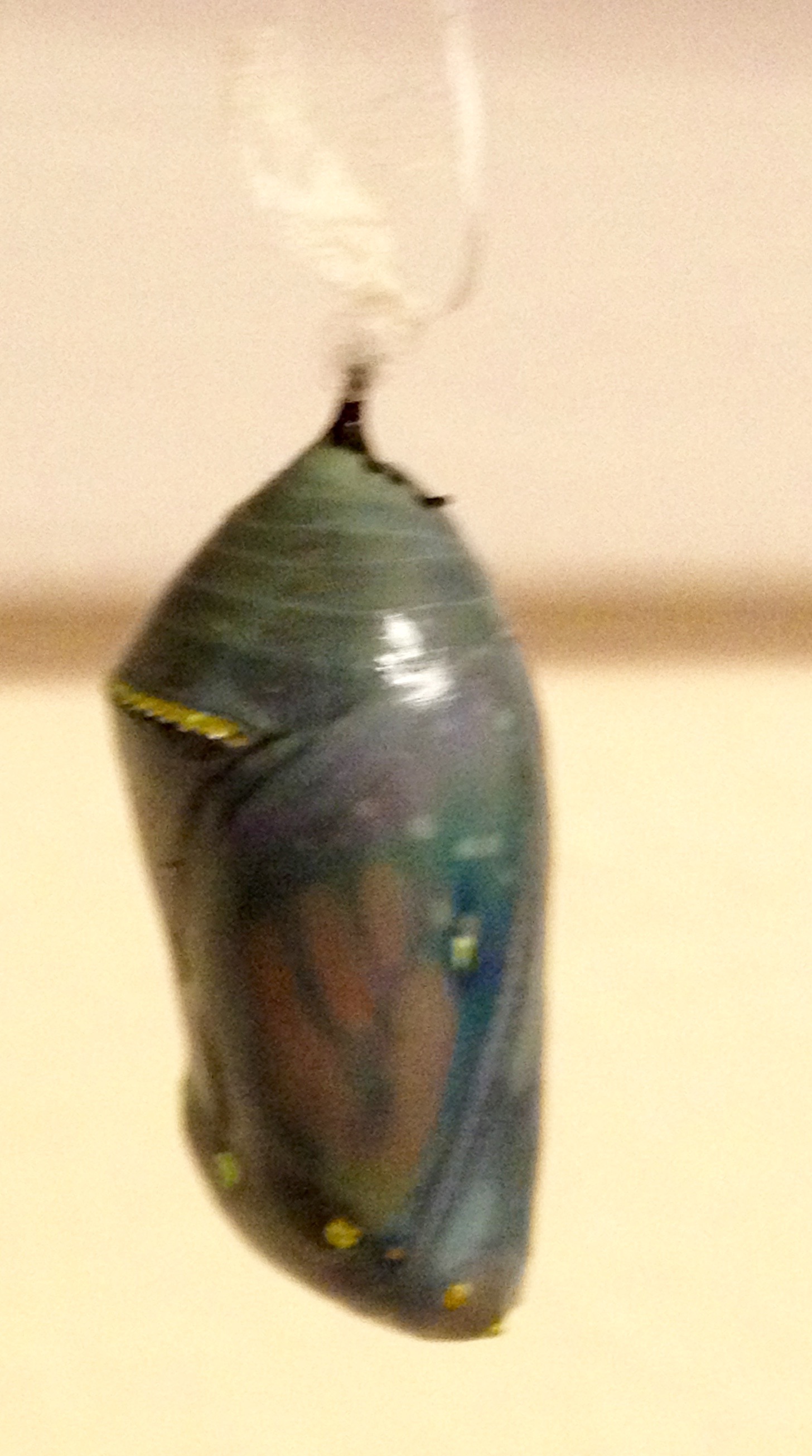
How fragile is a butterfly? Very! How many dangers lurk along their lifespan that might interrupt the life cycle? Too many to count! Is it difficult to plant milk weed? Definitely not! Is the protection and preservation of these beautiful creatures worth it? Resounding, I say YES!!!!
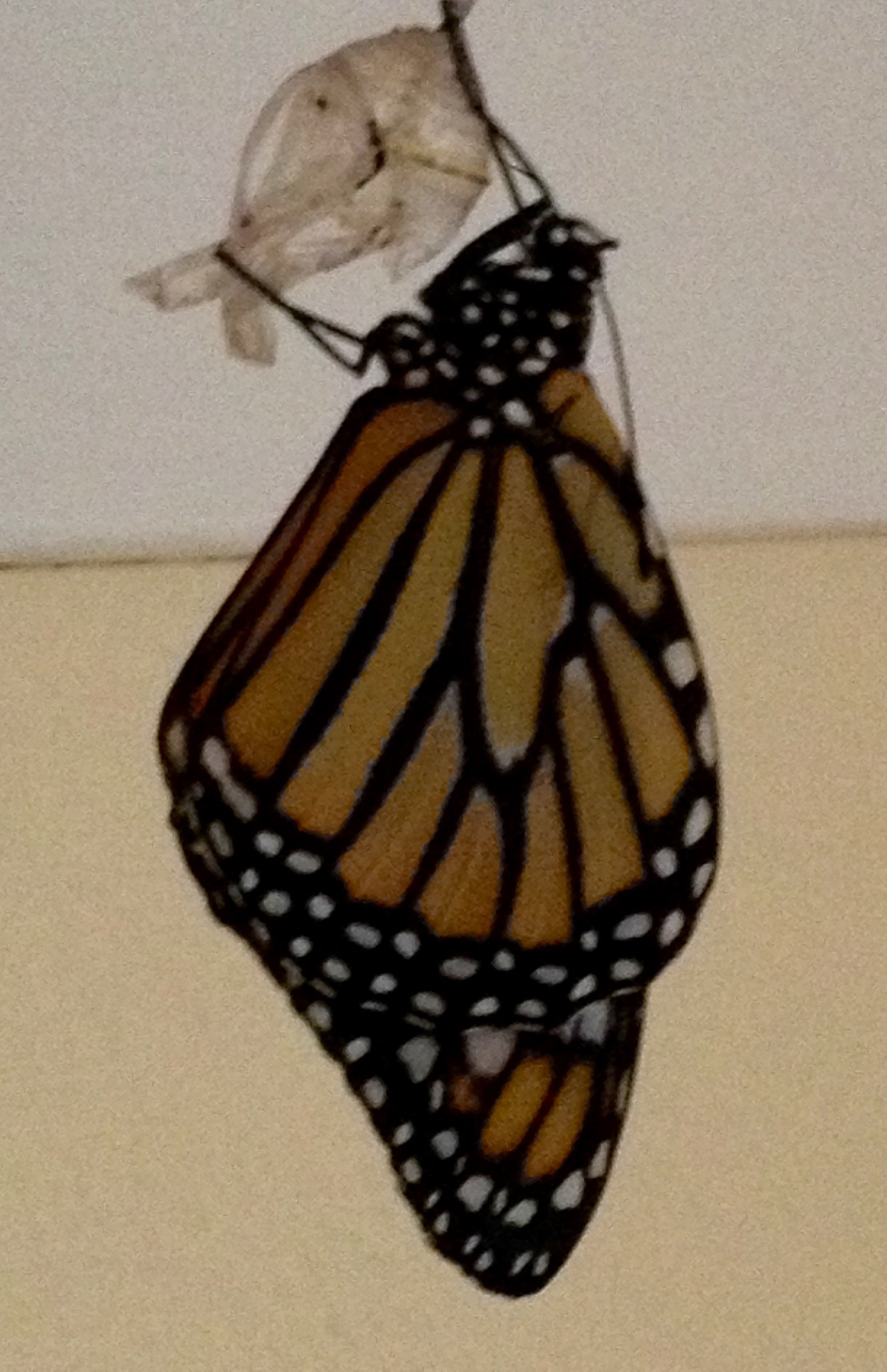
So, rock on Butterfly Whisperer!

Take me out to the ballgame….There is something very special about a beautiful cool Spring day drifting toward dusk as warm breezes skip across a beautiful pristine baseball field with its perfectly manicured grass and carefully swept and sprinkled pitcher’s mound and batter box. The two teams take to the field, young and energetic, each hoping for victory on this balmy night. And this scenario is being repeated all across our nation. Baseball is as American as apple pie.

Both of my grandsons play baseball. Mistakes are rarely made now when they play their games. But in the beginning it was a totally different story. T-ball was the beginning. A baseball is placed on a “t” at home plate and the player swings the bat and hits the ball and run, run, runs to first base. The opposing team has a pitcher, but he doesn’t pitch in T-ball. He just stands there getting use to the feel of being on the mound. Once the ball is hit, the infield players run to get the ball and try to throw it to a base. In the beginning, many mistakes are made…balls dropped or thrown the wrong way. The outfield players rarely see action and they can often be seen daydreaming, picking a flower or yawning. But that was then.
Fast forward to today and the players on the two opposing teams are well oiled machines. They are intense, focused, always aware of the intricacies of the game and give 110% each time they take the field. Over the many years from T-Ball to High School baseball, these young men have learned many things… the rules of the game, sportsmanship, pitching, throwing and catching skills. They have developed friendships and embraced how to win gracefully, how to lose honorably, and have been molded into a part of Americana….Baseball.
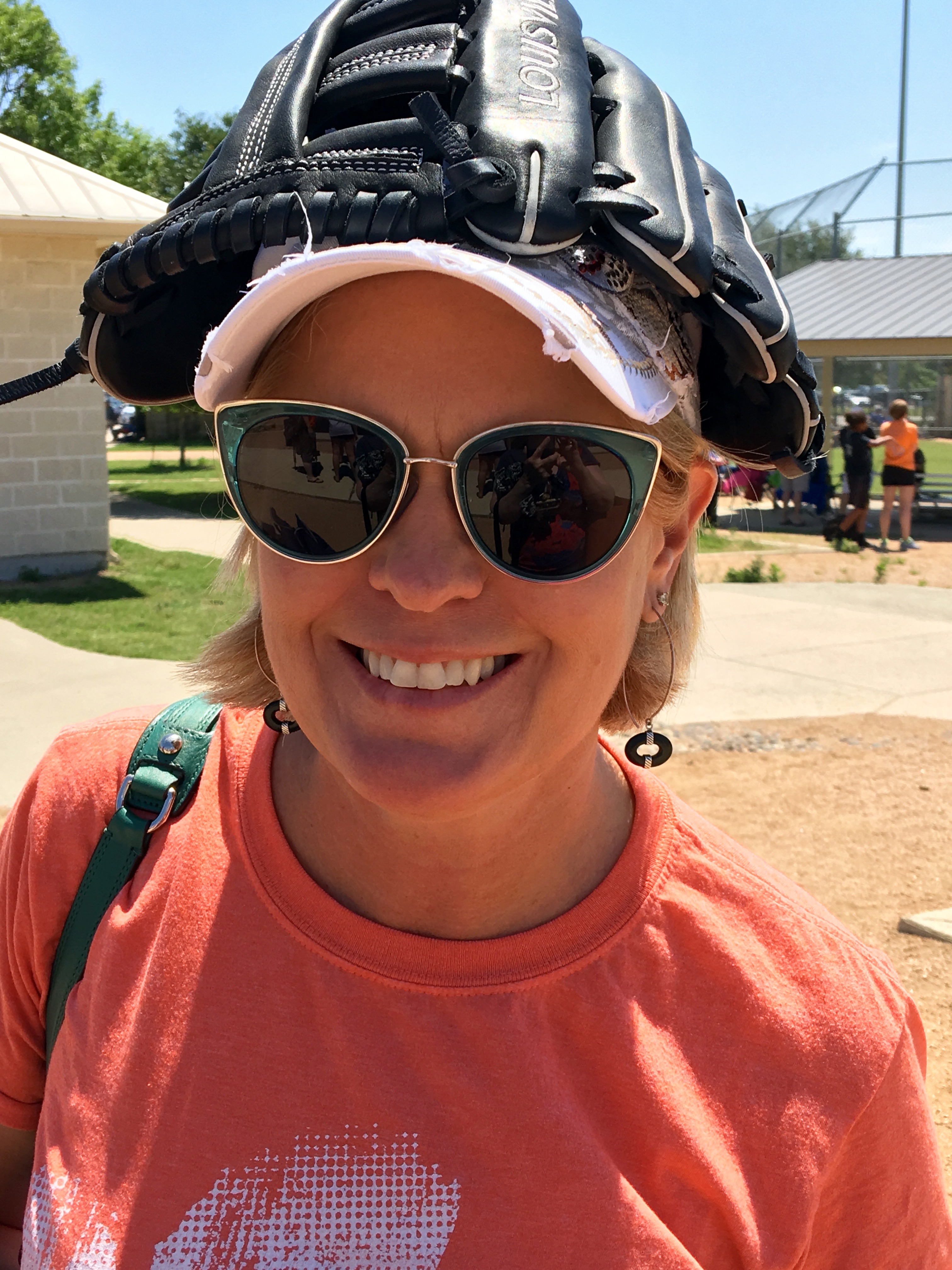
The parents deserve resounding kudos for supporting their boys through all the phases of learning baseball. They arose early on weekends to ferry their children to baseball games and hurried home from work on weekdays to get them to practice. The parents tossed the ball with them, volunteered their time in concession stands and coached year after year. Without their sacrifices, Little League Baseball wouldn’t exist. It takes a village…
The thrill of seeing my grandsons learn and grow over these past years is the stuff grandparents live for…all joy and really not much responsibility. Watching their happiness after a win or the agony of a defeat has drawn me in as an unofficial team member. I attend every game I can, sit in the stands and cheer on the team. I scream, I yell, I jump with each exciting interchange. And victory is sweet!
Yes, I love baseball. Even when I had no grandsons playing. I still find baseball relaxing, exciting, a true game of anticipation. The crack of a bat can totally alter the outcome of the game. Anyone and everyone can experience Americana baseball at a local high school. Check it out. I promise you won’t be disappointed.
And yes, I take my binoculars to games because there are birds flying about…starlings, vultures, killdeer, grackles and the squawking of peacocks just behind the baseball field. See you at the ballpark!


 ginnybirdbeakspeak